


At a glance
Summary
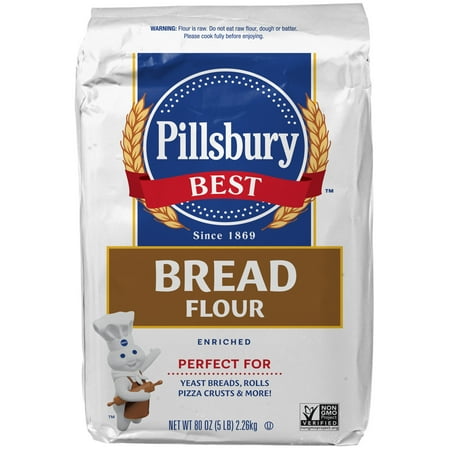
This product is made from wheat flour with added vitamins and minerals, which are common in bread flour to enhance nutritional value. It is minimally processed, containing no harmful additives or seed oils, making it a clean and straightforward choice for baking. The simplicity of the ingredient list and the absence of artificial additives contribute to its high rating.
Key ingredients 7
NiacinGood
Beneficial ingredient — whole-food or functional value in this product class.
Benefits
Supports energy production and overall metabolic health.
RiboflavinGood
Essential B vitamin — beneficial micronutrient.
Benefits
Contributes to energy production and cellular health.
IronNeutral
Iron is an essential mineral added to flour to prevent anemia and support oxygen transport in the body. It is crucial for maintaining healthy blood cells and overall vitality. The fortification of flour with iron helps address common dietary deficiencies.
Risks
Excessive iron intake can lead to toxicity, but this is rare from fortified foods alone.
Benefits
Essential for oxygen transport and energy production in the body.
Thiamine mononitrateNeutral
Thiamine mononitrate is a form of vitamin B1 used to fortify flour, supporting carbohydrate metabolism and nerve function. It is added to prevent deficiencies that can lead to neurological issues. The fortification process ensures adequate intake in diets reliant on refined grains.
Benefits
Supports energy metabolism and neurological health.
Folic acidNeutral
Folic acid is a synthetic form of vitamin B9 used to fortify flour, crucial for DNA synthesis and cell division. It is particularly important for pregnant women to prevent neural tube defects. Fortification helps ensure adequate intake in the general population.
Risks
Excessive intake may mask vitamin B12 deficiency symptoms.
Benefits
Supports DNA synthesis and is vital for fetal development during pregnancy.
EnzymeNeutral
Enzymes are added to flour to improve dough handling and bread quality by enhancing fermentation and texture. They are naturally occurring proteins that catalyze biochemical reactions. The use of enzymes in bread-making is a traditional practice to optimize baking results.
Benefits
Improves dough consistency and bread texture, enhancing the baking process.
Wheat flourBad
Refined grain flour stripped of bran and germ.
Risks
Potential gluten sensitivity or allergy concerns for some individuals.
Benefits
Provides essential carbohydrates and some protein, contributing to energy and satiety.
Processing
Unprocessed or Minimally Processed Foods
Get the full breakdown in the Scout appTake Scout shopping
Scan any product to see lab results, healthy alternatives, and your personalized analysis.
Download on theApp Store GET IT ONGoogle Play