



At a glance
Summary
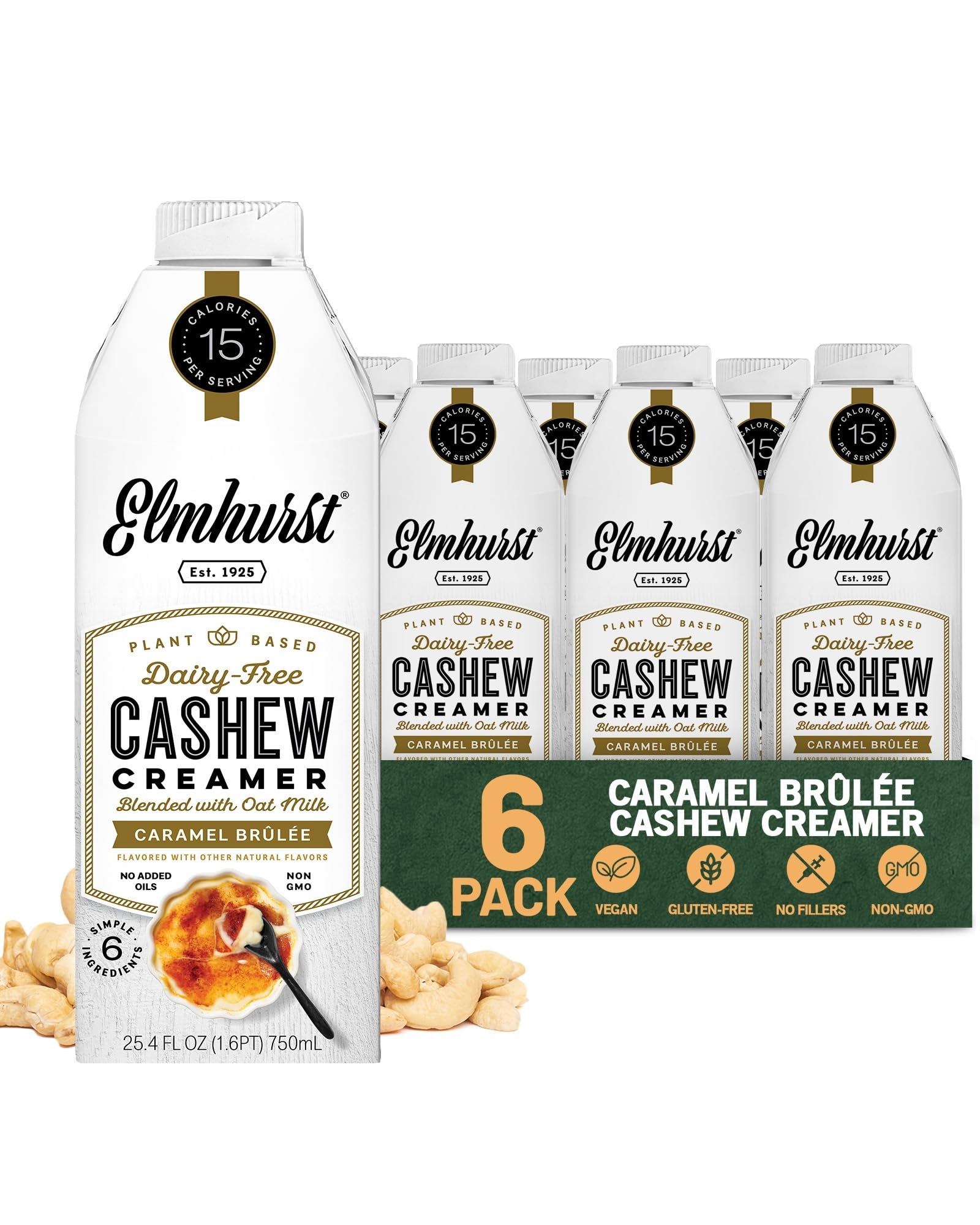
This creamer contains beneficial ingredients like cashew milk and oat milk, which provide healthy fats and fiber. However, the presence of cane sugar, a refined sugar with a high glycemic index, contributes to increased calorie intake without essential nutrients. The product's processing level also limits its score, as it is not minimally processed.
Key ingredients 5
Cashew milkGood
Cashew milk is a plant-based milk alternative that is low in calories and provides healthy fats. It is minimally processed, retaining some of the nutritional benefits of whole cashews. It is a suitable option for those with lactose intolerance or dairy allergies.
Risks
Potential allergen for individuals with nut allergies.
Benefits
Provides healthy fats and is a good alternative for those avoiding dairy. Contains some vitamins and minerals found in cashews.
Oat milkGood
Oat milk is a popular dairy alternative that is rich in fiber and beta-glucans, which may support heart health. It is made by blending oats with water and straining the mixture, preserving some of the nutritional benefits of oats. It is often fortified with vitamins and minerals, enhancing its nutritional profile.
Risks
May contain gluten if not certified gluten-free, posing a risk for those with celiac disease or gluten sensitivity.
Benefits
Rich in beta-glucans that can help lower cholesterol levels. Provides a creamy texture and is often fortified with additional nutrients.
PectinNeutral
Pectin is a natural gelling agent derived from fruits, commonly used to thicken and stabilize food products. It is minimally processed and generally considered safe for consumption. It can aid in digestion and is often used in jams and jellies.
Benefits
May aid in digestion and improve gut health due to its fiber content.
Cane sugarBad
Cane sugar is a refined sugar that contributes to increased calorie intake without providing essential nutrients. It is processed to remove impurities, resulting in a high glycemic index that can spike blood sugar levels. Excessive consumption is linked to various health issues, including obesity and diabetes.
Risks
High consumption can lead to weight gain, insulin resistance, and increased risk of chronic diseases.
Benefits
Provides quick energy but lacks significant nutritional benefits.
Natural flavorsBad
Umbrella term that can hide dozens of undisclosed synthetic constituents.
Risks
Lack of transparency in ingredient composition may be a concern for some consumers.
Benefits
Enhances flavor without adding calories or significant nutritional value.
Processing
Processed Foods
Get the full breakdown in the Scout appTake Scout shopping
Scan any product to see lab results, healthy alternatives, and your personalized analysis.
Download on theApp Store GET IT ONGoogle Play