
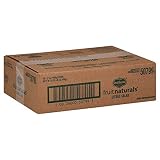



DEL MONTE, FRUIT NATURALS, CITRUS SALAD
Analysis updated October 2026 · How Scout scores
At a glance
Summary
This product contains minimally processed fruits like grapefruit and oranges, which are beneficial for their vitamin C and fiber content. However, the addition of refined sugar and synthetic preservatives such as potassium sorbate and sodium benzoate increases the processing level and reduces the overall healthiness. These additives, while effective for preservation, do not contribute to nutritional value and can pose health concerns, leading to a moderate score.
Key ingredients 8
GrapefruitGood
Grapefruit is a nutrient-rich fruit high in vitamin C and antioxidants. It is minimally processed and retains most of its natural nutrients. The fruit's natural sugars are balanced by fiber, which aids in digestion.
Risks
Grapefruit can interact with certain medications, potentially altering their effectiveness.
Benefits
Rich in vitamin C and antioxidants, grapefruit supports immune function and may reduce inflammation.
OrangesGood
Oranges are a good source of vitamin C and dietary fiber. They are minimally processed, preserving their natural nutrients. The fruit's natural sugars are accompanied by fiber, which helps regulate blood sugar levels.
Benefits
High in vitamin C, oranges support immune health and provide antioxidants that may protect against chronic diseases.
Ascorbic AcidGood
Vitamin C — beneficial even when serving as a preservative.
Benefits
Helps preserve the color and freshness of the product by preventing oxidation.
WaterNeutral
Water is used as a base and solvent in many food products. It is essential for hydration and does not contribute calories. In this product, it helps maintain the texture and consistency of the fruit salad.
Benefits
Essential for hydration and maintaining the consistency of the product.
Citric AcidNeutral
Citric acid is a natural acidulant used to enhance flavor and preserve freshness. It is commonly found in citrus fruits and is used to maintain acidity and prevent spoilage. While it is naturally occurring, its role here is primarily functional.
Benefits
Enhances flavor and preserves freshness by maintaining acidity.
SugarBad
Refined sugar is added to enhance sweetness but provides empty calories with no nutritional benefits. It is highly processed and can contribute to weight gain and metabolic issues. Excessive consumption of added sugars is linked to various health problems.
Risks
High intake of refined sugar can lead to obesity, type 2 diabetes, and heart disease.
Potassium SorbateBad
Potassium sorbate is a preservative used to inhibit mold and yeast growth. It is synthetically produced and can cause allergic reactions in sensitive individuals. While effective as a preservative, it does not provide nutritional benefits.
Risks
May cause allergic reactions or skin irritation in sensitive individuals.
Benefits
Extends shelf life by preventing mold and yeast growth.
Sodium BenzoateBad
Sodium benzoate is a preservative that prevents microbial growth in acidic foods. It is synthetically produced and can form benzene, a carcinogen, under certain conditions. Its primary function is preservation, not nutrition.
Risks
Potential to form benzene, a carcinogen, when combined with vitamin C under certain conditions.
Benefits
Prevents microbial growth, extending the product's shelf life.
Processing
Processed Foods
Get the full breakdown in the Scout appTake Scout shopping
Scan any product to see lab results, healthy alternatives, and your personalized analysis.
Download on theApp Store GET IT ONGoogle Play