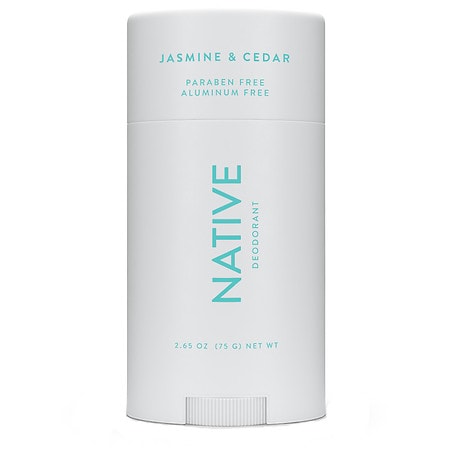
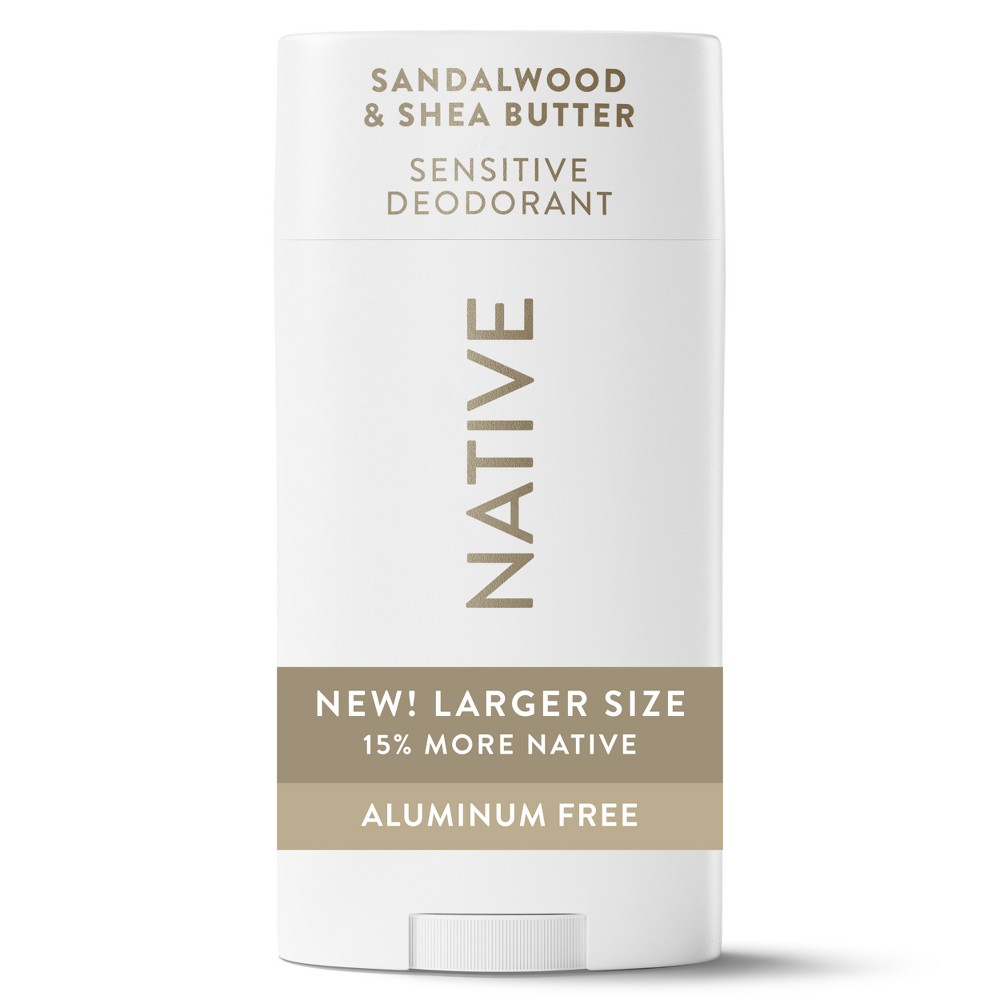
Native Sensitive Men's Deodorant - Sandalwood & Shea Butter - 3.1 oz
At a glance
Summary
This deodorant is aluminum-free and contains beneficial ingredients like magnesium hydroxide, shea butter, and coconut oil, which are known for their odor-neutralizing and moisturizing properties. However, the presence of synthetic fragrance slightly lowers its score due to potential irritation or allergic reactions. Overall, it maintains a relatively clean label with mostly natural components, but the inclusion of fragrance prevents it from reaching the highest tier. Its plastic packaging can shed microplastics into the product and lowers its score.
Key ingredients 13
Magnesium HydroxideVery Good
Magnesium Hydroxide is a natural mineral used as an odor neutralizer. It raises the pH of the skin, making it less hospitable to odor-causing bacteria. It is a gentle alternative to baking soda.
Risks
There are minimal risks, though it may cause mild irritation in very sensitive skin.
Benefits
It effectively neutralizes odor without blocking sweat glands.
Caprylic/Capric TriglycerideGood
Caprylic/Capric Triglyceride is a mixed triester derived from coconut oil and glycerin. It is used as an emollient and helps to improve the spreadability of the product. It is generally considered safe and non-irritating.
Risks
There are minimal risks associated with this ingredient, though it may cause mild irritation in very sensitive individuals.
Benefits
It provides a lightweight, non-greasy moisturizing effect and enhances the texture of the product.
Butyrospermum Parkii (Shea) ButterGood
Shea Butter is a fat extracted from the nuts of the shea tree. It is known for its moisturizing and anti-inflammatory properties. It is widely used in skincare for its nourishing benefits.
Risks
There are minimal risks, though it may cause allergic reactions in individuals with nut allergies.
Benefits
It deeply moisturizes and soothes the skin, providing a protective barrier.
Cocos Nucifera (Coconut) OilGood
Coconut Oil is a natural oil extracted from the meat of coconuts. It is known for its moisturizing and antimicrobial properties. It is widely used in skincare for its ability to nourish and protect the skin.
Risks
There are minimal risks, though it may clog pores in acne-prone skin.
Benefits
It moisturizes and protects the skin, and has natural antibacterial properties.
Magnesium CarbonateGood
Magnesium Carbonate is used as an absorbent and pH adjuster in cosmetics. It helps to absorb moisture and control odor. It is considered safe and non-irritating.
Risks
There are minimal risks associated with this ingredient.
Benefits
It helps absorb moisture and neutralize odor, enhancing the effectiveness of the deodorant.
BisabololGood
Bisabolol is a natural compound derived from chamomile. It is known for its soothing and anti-inflammatory properties. It is widely used in skincare for its ability to calm and protect the skin.
Risks
There are minimal risks, though it may cause allergic reactions in individuals sensitive to chamomile.
Benefits
It soothes and calms the skin, reducing irritation and redness.
Tocopheryl AcetateGood
Tocopheryl Acetate is a form of Vitamin E, used for its antioxidant properties. It helps protect the skin from damage caused by free radicals. It is considered safe and beneficial for skin health.
Risks
There are minimal risks, though it may cause irritation in very sensitive skin.
Benefits
It provides antioxidant protection and helps maintain skin health.
Zingiber Officinale (Ginger) Root ExtractGood
Ginger Root Extract is derived from the ginger plant and is known for its antioxidant and anti-inflammatory properties. It is used in skincare for its ability to soothe and protect the skin.
Risks
There are minimal risks, though it may cause irritation in very sensitive skin.
Benefits
It provides antioxidant protection and helps soothe and calm the skin.
Tapioca StarchNeutral
Standard formulation ingredient — neither beneficial nor harmful at typical use.
Risks
There are no significant risks associated with tapioca starch.
Benefits
It helps absorb moisture, keeping the skin dry and comfortable.
Stearyl BehenateNeutral
Stearyl Behenate is an ester of stearyl alcohol and behenic acid, used as a thickening agent. It is generally considered safe for use in cosmetics. It does not have significant benefits or risks.
Risks
There are no known significant risks associated with this ingredient.
Benefits
It helps to stabilize and thicken the formulation.
Oryza Sativa (Rice) Bran WaxNeutral
Rice Bran Wax is a natural wax obtained from rice bran oil. It is used as a thickening agent and emollient. It is considered safe for use in cosmetics.
Risks
There are no significant risks associated with rice bran wax.
Benefits
It helps to thicken the product and provides a smooth application.
Piroctone OlamineNeutral
Piroctone Olamine is an antifungal agent used to treat dandruff and other fungal skin conditions. In deodorants, it helps control odor by reducing microbial growth. It is generally considered safe.
Risks
There are minimal risks, though it may cause irritation in sensitive skin.
Benefits
It helps control odor by reducing the growth of odor-causing bacteria.
FragranceVery Bad
Fragrance in cosmetics can be a mixture of various chemicals, some of which may cause irritation or allergic reactions. It is often not fully disclosed, leading to concerns about potential harmful components.
Risks
Fragrance can cause skin irritation and allergic reactions, and may contain phthalates.
Benefits
It provides a pleasant scent to the product.
Processing
Processed Foods
Get the full breakdown in the Scout appTake Scout shopping
Scan any product to see lab results, healthy alternatives, and your personalized analysis.
Amazon pricing & content
Amazon price as of . Product prices and availability are accurate as of the date/time indicated and are subject to change. Any price and availability information displayed on Amazon.com at the time of purchase will apply to the purchase of this product.
CERTAIN CONTENT THAT APPEARS ON THIS SITE COMES FROM AMAZON. THIS CONTENT IS PROVIDED “AS IS” AND IS SUBJECT TO CHANGE OR REMOVAL AT ANY TIME.