


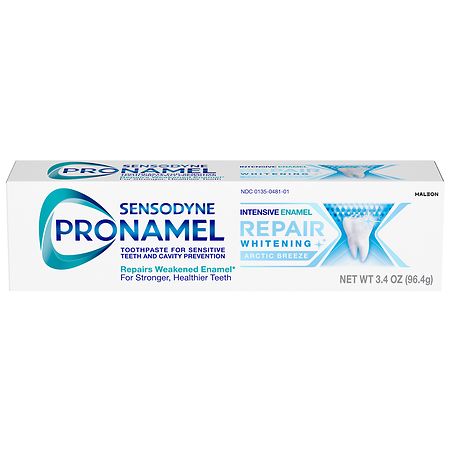
Colgate Optic White Whitening Toothpaste, Enamel - 3.5 oz
Analysis updated June 2026 · How Scout scores
At a glance
Summary
This toothpaste contains hydrogen peroxide, which is beneficial for whitening and antibacterial purposes. However, it also includes several synthetic ingredients such as PEG-12, propylene glycol, and sodium lauryl sulfate, which can cause irritation and have potential contamination concerns. The presence of these synthetic compounds and the level of processing contribute to a moderate score.
Key ingredients 14
GlycerinGood
Beneficial ingredient — whole-food or functional value in this product class.
Benefits
Helps maintain moisture and consistency in toothpaste.
WaterNeutral
Water is a neutral ingredient primarily used as a solvent in toothpaste formulations. It helps dissolve other ingredients and maintain the desired consistency. No significant health impacts are associated with water in this context.
See more about Water →Hydrated SilicaNeutral
Hydrated silica is used as an abrasive to help remove plaque and surface stains from teeth. It is processed to a fine particle size to ensure safety and effectiveness. While it aids in cleaning, it does not provide nutritional benefits.
Benefits
Helps in removing surface stains and plaque from teeth.
SorbitolNeutral
Sorbitol is a sugar alcohol used as a sweetener and humectant in toothpaste. It helps retain moisture and provides a sweet taste without promoting tooth decay. It is generally considered safe in toothpaste formulations.
Risks
Excessive ingestion may cause gastrointestinal discomfort.
Benefits
Provides sweetness without contributing to tooth decay.
Pentasodium TriphosphateNeutral
Pentasodium triphosphate is used as a chelating agent to enhance cleaning efficiency. It helps in binding minerals and preventing tartar buildup. While effective in oral care, it does not provide direct health benefits.
Benefits
Aids in preventing tartar buildup on teeth.
Calcium PyrophosphateNeutral
Calcium pyrophosphate is used as an abrasive to help remove plaque and polish teeth. It is a mineral compound that is generally safe for use in oral care. It does not provide nutritional benefits but aids in cleaning.
Benefits
Helps in removing plaque and polishing teeth.
PVPNeutral
PVP is used as a binder and film-forming agent in toothpaste. It helps in stabilizing the formulation and ensuring even distribution of ingredients. It does not provide direct health benefits but aids in product consistency.
Benefits
Helps stabilize the formulation and distribute ingredients evenly.
SilicaNeutral
Silica is used as an abrasive to help remove plaque and surface stains from teeth. It is processed to a fine particle size to ensure safety and effectiveness. While it aids in cleaning, it does not provide nutritional benefits.
Benefits
Helps in removing surface stains and plaque from teeth.
TetrasodiumNeutral
Tetrasodium is used as a chelating agent to enhance cleaning efficiency. It helps in binding minerals and preventing tartar buildup. While effective in oral care, it does not provide direct health benefits.
Benefits
Aids in preventing tartar buildup on teeth.
PEG-12Bad
PEG-12 is a synthetic polymer used as a dispersant in toothpaste. It is produced through ethoxylation, which may introduce impurities like 1,4-dioxane. Concerns exist about potential contamination and environmental impact.
Risks
Potential contamination with 1,4-dioxane, a possible carcinogen.
Propylene GlycolBad
Propylene glycol is used as a humectant and solvent in toothpaste. It is a synthetic compound that can cause irritation in sensitive individuals. Concerns exist about its potential to cause allergic reactions.
Risks
May cause skin irritation or allergic reactions in sensitive individuals.
PEG/PPG-116/66 CopolymerBad
PEG/PPG-116/66 copolymer is a synthetic polymer used as a thickening agent. It is produced through complex chemical processes that may introduce impurities. Concerns exist about potential contamination and environmental impact.
Risks
Potential contamination with impurities from the manufacturing process.
Hydrogen PeroxideBad
Processed additive flagged under Scout's ingredient doctrine.
Risks
May cause tooth sensitivity or irritation with excessive use.
Benefits
Effective in whitening teeth and reducing oral bacteria.
Sodium Lauryl SulfateVery Bad
Sodium lauryl sulfate is a surfactant used to create foam in toothpaste. It is known to cause irritation in some individuals, particularly those with sensitive oral tissues. Concerns exist about its potential to cause mouth ulcers.
Risks
May cause irritation or mouth ulcers in sensitive individuals.
Processing
Processed Foods
Get the full breakdown in the Scout appTake Scout shopping
Scan any product to see lab results, healthy alternatives, and your personalized analysis.
Download on theApp Store GET IT ONGoogle PlayAmazon pricing & content
Amazon price as of . Product prices and availability are accurate as of the date/time indicated and are subject to change. Any price and availability information displayed on Amazon.com at the time of purchase will apply to the purchase of this product.
CERTAIN CONTENT THAT APPEARS ON THIS SITE COMES FROM AMAZON. THIS CONTENT IS PROVIDED “AS IS” AND IS SUBJECT TO CHANGE OR REMOVAL AT ANY TIME.