
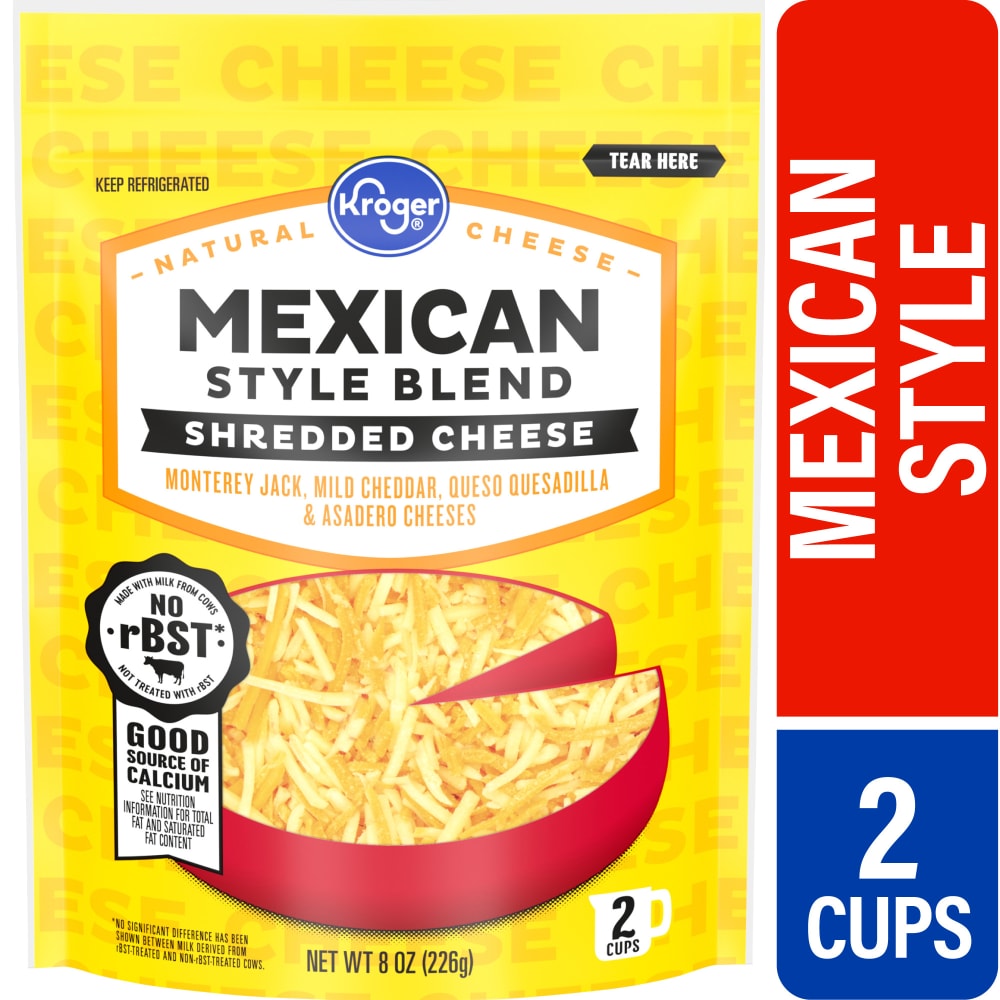
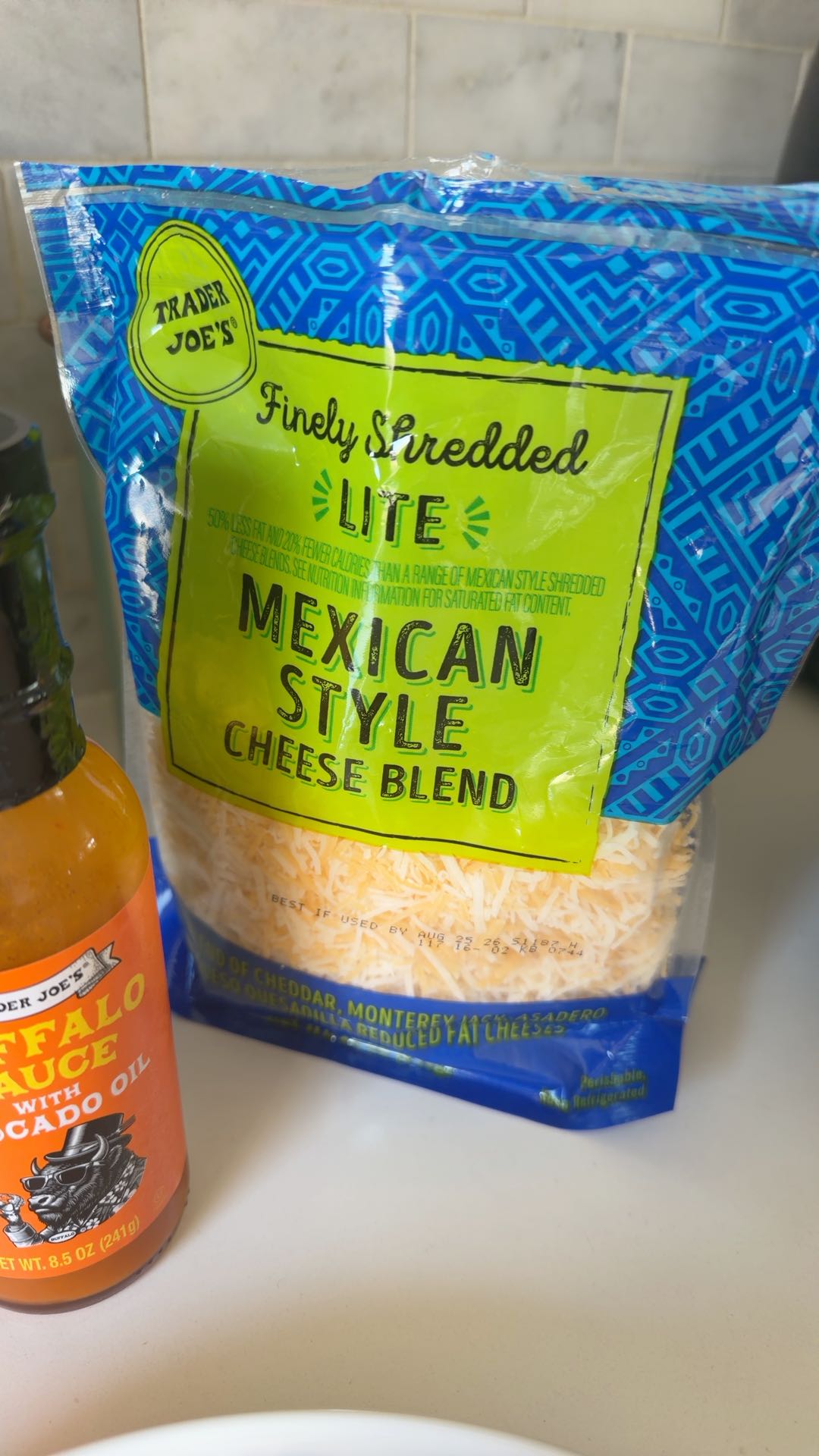


MEXICAN BLEND CHEESE
Summary
This Mexican blend cheese is composed of multiple types of cheese, which are generally nutritious and provide a good source of protein and calcium. However, it is classified as ultra-processed due to the combination of different cheese types and the use of annatto for coloring. The processing level limits its score, despite having only one additive and no harmful ingredients.
At a glance
Key ingredients 8
Monterey Jack CheeseNeutral
Monterey Jack Cheese is a dairy product made from pasteurized milk, cheese culture, salt, and enzymes. It is a source of protein and calcium but lacks specific quality indicators like organic or grass-fed. The cheese is processed but does not contain harmful additives.
Risks
Potential risks include lactose intolerance and high saturated fat content.
Benefits
Provides protein and calcium, essential for bone health and muscle function.
Cheddar CheeseNeutral
Cheddar Cheese is made from pasteurized milk, cheese culture, salt, enzymes, and annatto for color. It is a traditional cheese with a rich flavor profile but lacks organic or grass-fed certifications. The use of annatto is generally considered safe and does not impact health negatively.
Risks
Contains lactose and saturated fats, which may be a concern for some individuals.
Benefits
Rich in protein and calcium, supporting bone health and muscle maintenance.
Asadero CheeseNeutral
Asadero Cheese is a Mexican cheese made from pasteurized milk, cheese culture, salt, and enzymes. It is known for its melting properties and is commonly used in Mexican cuisine. The cheese is processed but does not contain artificial additives.
Risks
May cause issues for those with lactose intolerance or sensitivity to dairy.
Benefits
Provides a good source of protein and calcium, beneficial for bone and muscle health.
Quesadilla CheeseNeutral
Quesadilla Cheese is a soft cheese made from pasteurized milk, cheese culture, salt, and enzymes. It is designed to melt easily, making it ideal for quesadillas and other dishes. The cheese is processed but free from harmful additives.
Risks
Potential concerns include lactose intolerance and high saturated fat content.
Benefits
Offers protein and calcium, important for maintaining healthy bones and muscles.
AnnattoNeutral
Annatto is a natural colorant derived from the seeds of the achiote tree. It is used to impart a yellow or orange color to foods like cheese. Annatto is generally recognized as safe and does not pose significant health risks.
See more about Annatto →EnzymesNeutral
Enzymes are used in cheese production to aid in the coagulation of milk. They are essential for the cheese-making process and are typically derived from microbial or animal sources. Enzymes themselves do not have direct health impacts.
See more about Enzymes →SaltNeutral
Salt is used in cheese for flavor and preservation. It is a common ingredient in cheese production but does not provide additional health benefits. Excessive consumption of salt can lead to health issues such as hypertension.
Risks
High sodium intake can contribute to elevated blood pressure and cardiovascular issues.
Pasteurized MilkNeutral
Pasteurized Milk is the primary ingredient in cheese, providing a source of protein and calcium. Pasteurization ensures the milk is free from harmful bacteria, making it safe for consumption. The milk lacks specific quality indicators like organic or grass-fed.
Risks
Potential risks include lactose intolerance and sensitivity to dairy.
Benefits
Rich in protein and calcium, supporting bone health and muscle function.
Processing
Ultra-Processed Foods
Get the full breakdown in the Scout app
Scan any product to see lab results, healthy alternatives, and your personalized analysis.
Download on theApp Store