

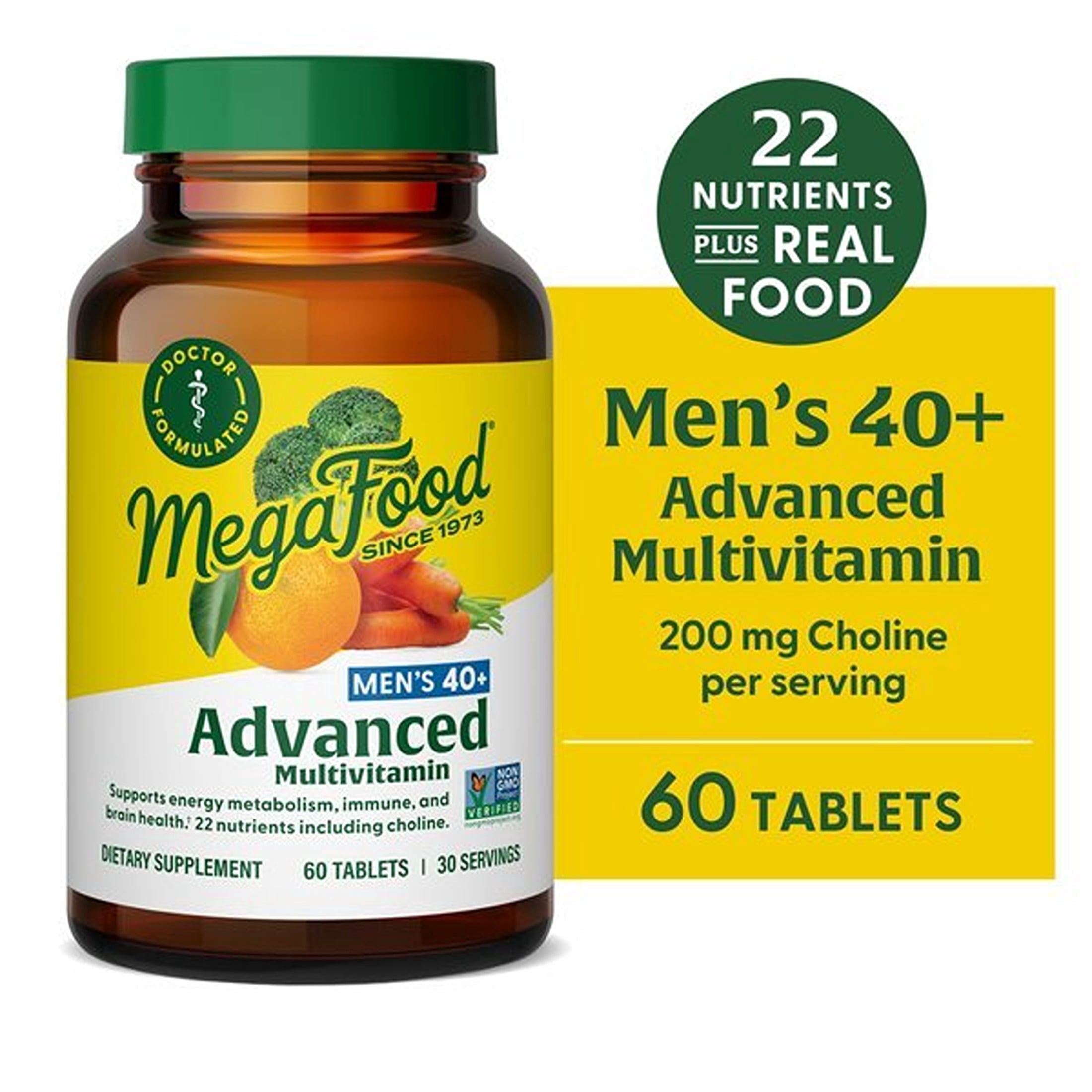
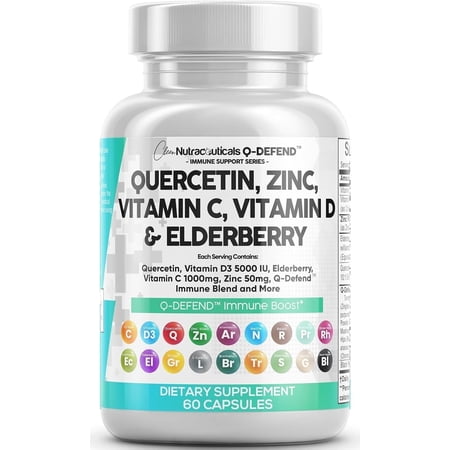


Cal-Mag-Zinc w Vitamin D
Analysis updated July 2026 · How Scout scores
At a glance
Summary
This supplement contains beneficial ingredients such as calcium, magnesium, vitamin D3, zinc, and boron, which are essential for bone health, immune function, and overall wellness. However, the presence of a vegetable coating with titanium dioxide, a controversial ingredient due to potential health concerns, slightly detracts from its overall quality. Despite this, the formulation remains effective and well-rounded for its intended purpose.
Key ingredients 9
Calcium (Calcium Citrate, Calcium Carbonate)Good
Calcium is essential for strong bones and teeth, making it a beneficial nutrient for overall health.
Magnesium (Magnesium Oxide, Magnesium Citrate)Good
Magnesium supports muscle function and energy production, contributing positively to health.
Vitamin D3Good
Vitamin D3 helps the body absorb calcium effectively, promoting bone health and immune support.
See more about Vitamin D3 →Ascorbic AcidGood
Ascorbic Acid, or vitamin C, supports immune health and acts as an antioxidant.
See more about Ascorbic Acid →Zinc (Zinc Oxide)Good
Zinc is important for immune function and wound healing, making it a beneficial mineral.
Stearic Acid (Vegetable Source)Neutral
Stearic Acid is used as a binder or filler in supplements and generally does not affect health directly.
Croscarmellose SodiumNeutral
Croscarmellose Sodium is a disintegrant that helps tablets break down, with no significant health impact.
See more about Croscarmellose Sodium →Hydroxypropyl MethylcelluloseNeutral
Part of Vegetable Coating. This coating protects the supplement and ensures proper swallowing, though Titanium Dioxide has some safety considerations.
See more about Hydroxypropyl Methylcellulose →Titanium DioxideVery Bad
Heavily flagged ingredient class under Scout's doctrine.
See more about Titanium Dioxide →Processing
Processed Foods
Get the full breakdown in the Scout appTake Scout shopping
Scan any product to see lab results, healthy alternatives, and your personalized analysis.
Download on theApp Store GET IT ONGoogle PlayAmazon pricing & content
Amazon price as of . Product prices and availability are accurate as of the date/time indicated and are subject to change. Any price and availability information displayed on Amazon.com at the time of purchase will apply to the purchase of this product.
CERTAIN CONTENT THAT APPEARS ON THIS SITE COMES FROM AMAZON. THIS CONTENT IS PROVIDED “AS IS” AND IS SUBJECT TO CHANGE OR REMOVAL AT ANY TIME.