

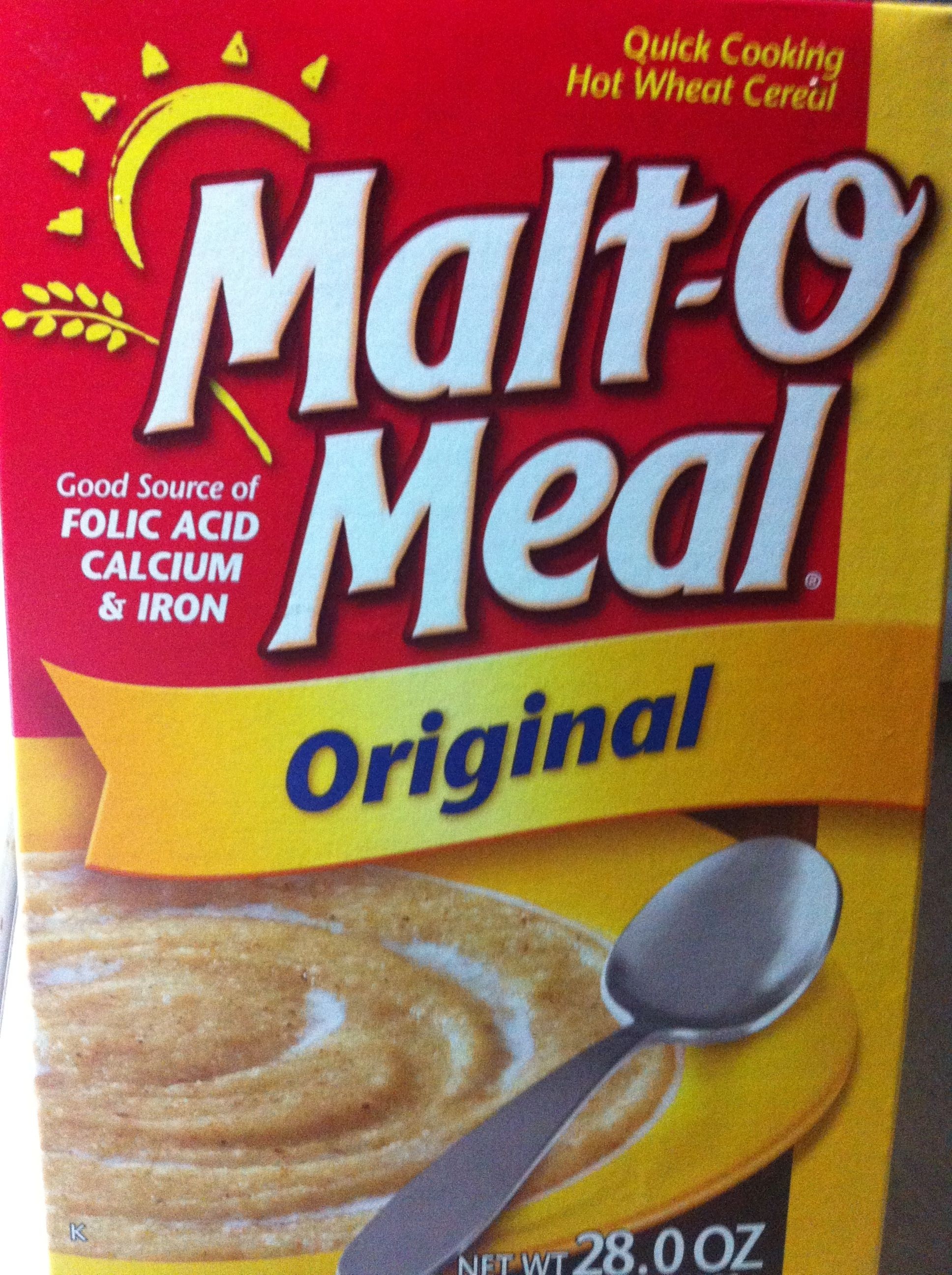
FARINA CREAMY WHEAT ENRICHED HOT WHEAT CEREAL
At a glance
Summary
This cereal is minimally processed, primarily composed of wheat farina and wheat germ, which are nutrient-rich and provide essential vitamins and minerals. The product is fortified with beneficial nutrients like calcium, iron, and B vitamins, enhancing its nutritional profile. The presence of a single additive for quick cooking does not significantly detract from its overall healthfulness.
Key ingredients 9
Wheat germVery Good
Wheat germ is the nutrient-rich core of the wheat kernel, offering a concentrated source of vitamins and minerals. It is high in vitamin E, folic acid, and essential fatty acids, contributing to its health benefits. Its inclusion enhances the nutritional profile of the cereal significantly.
Risks
May cause allergic reactions in individuals sensitive to wheat.
Benefits
Rich in essential nutrients, it supports heart health and provides antioxidants that may reduce oxidative stress.
Wheat farinaGood
Wheat farina is a minimally processed grain product that provides a good source of carbohydrates and energy. It retains some of the wheat's natural nutrients, making it a wholesome choice for breakfast. Its simple processing ensures that it maintains a high nutritional value compared to more refined grains.
Risks
Contains gluten, which may cause issues for individuals with celiac disease or gluten sensitivity.
Benefits
Provides a good source of energy and essential nutrients like iron and B vitamins, supporting overall health.
Ferric orthophosphateGood
Ferric orthophosphate is an iron supplement used to fortify foods, helping to prevent iron deficiency anemia. It is a stable form of iron that is well-absorbed by the body. Its inclusion in the cereal aids in meeting daily iron requirements.
Risks
High doses of iron can cause gastrointestinal issues and toxicity.
Benefits
Enhances iron intake, supporting oxygen transport and energy production in the body.
NiacinamideGood
Niacinamide is a form of vitamin B3 that is essential for energy metabolism and DNA repair. It is commonly added to fortified foods to prevent deficiencies. Its presence in the cereal contributes to overall nutritional adequacy.
Benefits
Supports energy metabolism and skin health, contributing to overall well-being.
Thiamin mononitrateGood
Thiamin mononitrate is a form of vitamin B1, crucial for carbohydrate metabolism and nerve function. It is often added to cereals to ensure adequate intake of this essential nutrient. Its inclusion helps prevent thiamin deficiency, which can lead to neurological issues.
Benefits
Supports energy production and nerve function, enhancing overall health.
RiboflavinGood
Riboflavin, or vitamin B2, is important for energy production and cellular function. It is commonly added to fortified foods to prevent deficiencies. Its presence in the cereal supports metabolic processes and overall health.
Benefits
Contributes to energy production and supports healthy skin and eyes.
Disodium phosphateNeutral
Disodium phosphate is used as an additive to improve the cooking time of the cereal. It is generally recognized as safe when used in food products. Its presence does not significantly alter the nutritional profile of the cereal.
Risks
Excessive consumption of phosphates may lead to imbalances in mineral levels in the body.
Benefits
Facilitates quicker cooking, making the cereal more convenient to prepare.
Calcium carbonateNeutral
Standard formulation ingredient — neither beneficial nor harmful at typical use.
Risks
Excessive intake may lead to hypercalcemia, which can cause health issues.
Benefits
Provides a significant source of calcium, supporting bone health and metabolic functions.
Folic acidNeutral
Standard formulation ingredient — neither beneficial nor harmful at typical use.
Risks
Excessive intake may mask vitamin B12 deficiency symptoms.
Benefits
Supports cell division and is crucial for fetal development during pregnancy.
Processing
Unprocessed or Minimally Processed Foods
Get the full breakdown in the Scout appTake Scout shopping
Scan any product to see lab results, healthy alternatives, and your personalized analysis.
Download on theApp Store GET IT ONGoogle Play