
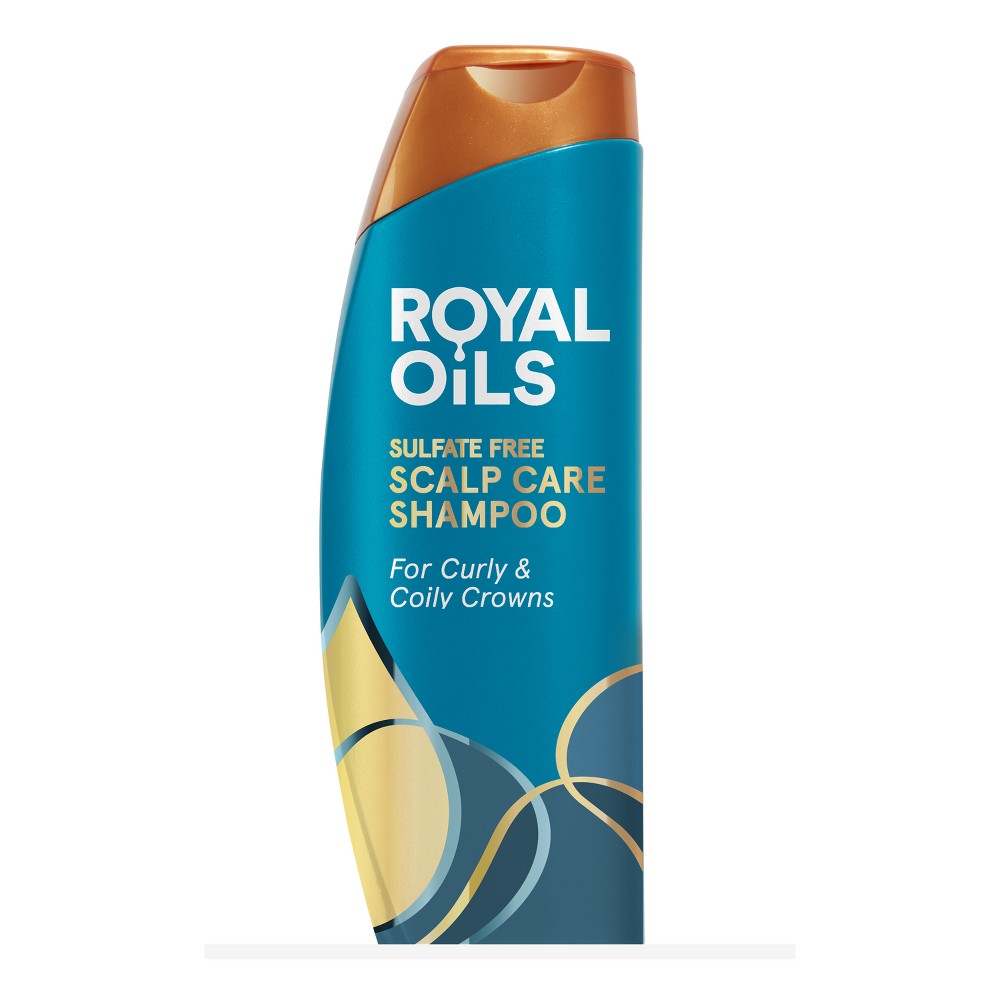

Head & Shoulders Royal Oils Anti Dandruff Scalp Care Shampoo Sulfate Free - 12.8 fl oz
Analysis updated July 2026 · How Scout scores
At a glance
Summary
This shampoo contains beneficial ingredients like sodium cocoyl isethionate and coconut oil, which are gentle and nourishing for the hair. However, it also includes synthetic fragrance, sodium chloride, and dimethiconol, which can be irritating or cause buildup on the hair. The presence of these less desirable ingredients, along with its processed nature, impacts the overall rating.
Key ingredients 15
Sodium Cocoyl IsethionateVery Good
Sodium Cocoyl Isethionate is a gentle surfactant derived from coconut oil. It is known for its mildness and ability to cleanse without causing dryness. It is highly regarded for its skin-friendly properties.
Risks
There are minimal risks associated with this ingredient, making it suitable for sensitive skin.
Benefits
It effectively cleanses the hair while maintaining moisture balance.
Cocos Nucifera (Coconut) OilVery Good
Coconut oil is a natural emollient known for its moisturizing and conditioning properties. It helps to nourish and strengthen the hair, reducing breakage. It is widely used for its beneficial effects on hair health.
Risks
There are minimal risks associated with coconut oil, though it may cause buildup if not rinsed properly.
Benefits
Deeply conditions the hair, improving softness and shine.
WaterNeutral
Water is a common solvent used in many personal care products. It acts as a base for the formulation, helping to dissolve other ingredients. It does not have any direct benefits or risks in the context of a shampoo.
Risks
There are no inherent risks associated with water in this context.
Benefits
Water helps to evenly distribute the shampoo ingredients across the scalp and hair.
Lauramidopropyl BetaineNeutral
Lauramidopropyl Betaine is a mild surfactant used to enhance the foaming properties of shampoos. It is derived from coconut oil and is considered gentle on the skin. It is generally well-tolerated and does not pose significant risks.
Risks
In rare cases, it may cause mild irritation in sensitive individuals.
Benefits
It helps to cleanse the hair and scalp without stripping natural oils.
Sodium CitrateNeutral
Sodium Citrate is used as a buffering agent to maintain the pH balance of the shampoo. It helps to stabilize the formulation and enhance its effectiveness. It does not have direct benefits or risks in the context of hair care.
Risks
There are no significant risks associated with sodium citrate in this context.
Benefits
Helps to maintain the stability and effectiveness of the shampoo.
Sodium ChlorideNeutral
Standard formulation ingredient — neither beneficial nor harmful at typical use.
Risks
May cause dryness and irritation of the scalp with excessive use.
Benefits
Helps to thicken the shampoo, improving its texture and application.
VinegarNeutral
Vinegar is sometimes used in hair care products for its potential to balance pH and add shine. It can help to remove buildup from the hair. However, its benefits in a shampoo formulation are limited.
Risks
May cause irritation if used in high concentrations.
Benefits
Can help to clarify the hair and enhance shine.
Polyquaternium-10Neutral
Polyquaternium-10 is a conditioning agent that helps to improve the texture and manageability of hair. It is known for its ability to reduce static and enhance smoothness. It is generally considered safe for use in hair care products.
Risks
May cause buildup on the hair if not rinsed thoroughly.
Benefits
Improves hair texture and reduces static, enhancing smoothness.
Citric AcidNeutral
Citric Acid is used to adjust the pH of cosmetic formulations. It helps to maintain the stability and effectiveness of the product. It does not have direct benefits or risks in the context of hair care.
Risks
May cause irritation if used in high concentrations.
Benefits
Helps to maintain the pH balance of the shampoo.
Sodium SalicylateNeutral
Sodium Salicylate is used as a preservative and anti-inflammatory agent in cosmetic products. It is generally considered safe for use in hair care formulations. It does not have direct benefits or risks in the context of a shampoo.
Risks
There are no significant risks associated with sodium salicylate in this context.
Benefits
Helps to preserve the product and may provide mild anti-inflammatory effects.
Sodium Lauroyl SarcosinateBad
Processed additive flagged under Scout's ingredient doctrine.
Risks
May cause mild irritation if used in high concentrations.
Benefits
Provides gentle cleansing and helps to maintain the natural moisture of the hair.
Acrylates CopolymerBad
Processed additive flagged under Scout's ingredient doctrine.
Risks
There are no significant risks associated with acrylates copolymer in this context.
Benefits
Helps to improve the texture and manageability of the hair.
DimethiconolBad
Dimethiconol is a silicone-based compound used to provide smoothness and shine to hair. It can cause buildup over time, leading to dullness and brittleness. It is not water-soluble, making it difficult to remove completely.
Risks
Can lead to buildup on the hair, causing dullness and brittleness.
Benefits
Provides temporary smoothness and shine to the hair.
Sodium BenzoateBad
Synthetic preservative that can form benzene in the presence of vitamin C.
Risks
There are no significant risks associated with sodium benzoate in this context.
Benefits
Helps to preserve the product, extending its shelf life.
FragranceVery Bad
Fragrance in shampoos is often a blend of synthetic chemicals used to impart a pleasant scent. It can be a source of allergens and irritants for sensitive individuals. The exact composition is usually undisclosed, making it difficult to assess safety.
Risks
Potential to cause allergic reactions or irritation, especially in sensitive individuals.
Benefits
Provides a pleasant scent to the product, enhancing user experience.
Get the full breakdown in the Scout appTake Scout shopping
Scan any product to see lab results, healthy alternatives, and your personalized analysis.
Download on theApp Store GET IT ONGoogle PlayAmazon pricing & content
Amazon price as of . Product prices and availability are accurate as of the date/time indicated and are subject to change. Any price and availability information displayed on Amazon.com at the time of purchase will apply to the purchase of this product.
CERTAIN CONTENT THAT APPEARS ON THIS SITE COMES FROM AMAZON. THIS CONTENT IS PROVIDED “AS IS” AND IS SUBJECT TO CHANGE OR REMOVAL AT ANY TIME.