
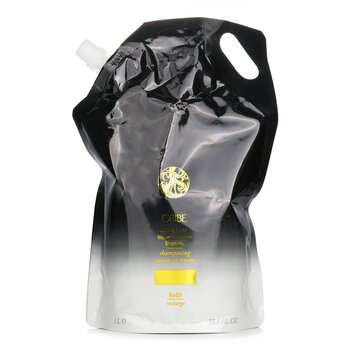


Oribe Gold Lust Repair & Restore Shampoo Liter Refill
Analysis updated August 2026 · How Scout scores
At a glance
Summary
This shampoo contains beneficial ingredients like argan oil and biotin, which are known for their nourishing and strengthening properties. However, the presence of sodium laureth sulfate, a harsher surfactant, and synthetic fragrance, which can cause irritation, detracts from its overall safety profile. Additionally, sodium chloride is used as a thickener, which can contribute to dryness, and phenoxyethanol is included as a preservative, which may cause irritation in some individuals.
Key ingredients 22
Argania Spinosa (Argan) Kernel OilVery Good
Argan oil is a highly valued ingredient in hair care for its moisturizing and nourishing properties. It is rich in essential fatty acids and vitamin E, which help to condition and protect hair. It is particularly beneficial for dry and damaged hair.
Risks
There are no significant risks associated with its use in shampoos.
Benefits
Deeply conditions and nourishes hair, improving its texture and shine.
Cocamidopropyl HydroxysultaineGood
Cocamidopropyl Hydroxysultaine is a mild surfactant that helps to reduce irritation from harsher cleansing agents. It enhances foam and provides conditioning benefits. It is derived from coconut oil and is generally well-tolerated.
Risks
Rarely, it may cause mild irritation or allergic reactions.
Benefits
Provides mild cleansing and conditioning, enhancing the overall feel of the shampoo.
BiotinGood
Biotin is a vitamin that is often included in hair care products for its potential to strengthen hair and promote growth. It is believed to improve the keratin infrastructure of hair. While topical application may not be as effective as oral supplementation, it is still considered beneficial.
Risks
There are no significant risks associated with topical application.
Benefits
May help to strengthen hair and improve its overall health.
Amino AcidsGood
Amino acids are the building blocks of proteins and are included in shampoos for their conditioning and strengthening properties. They help to repair and protect hair from damage. They are generally well-tolerated and beneficial for hair health.
Risks
There are no significant risks associated with their use in shampoos.
Benefits
Help to strengthen and condition hair, improving its resilience.
Passiflora Edulis (Passion Fruit) Seed OilGood
Passion fruit seed oil is rich in essential fatty acids and antioxidants, providing moisturizing and protective benefits to hair. It helps to improve hair texture and manageability. It is generally well-tolerated and beneficial for hair health.
Risks
There are no significant risks associated with its use in shampoos.
Benefits
Moisturizes and protects hair, enhancing its texture and shine.
NiacinamideGood
Niacinamide is a form of vitamin B3 that is known for its anti-inflammatory and moisturizing properties. It helps to improve the overall health of the scalp and hair. It is generally well-tolerated and beneficial for hair care.
Risks
There are no significant risks associated with its use in shampoos.
Benefits
Improves scalp health and provides moisturizing benefits.
Plant CollagenGood
Plant collagen is used in hair care products for its conditioning and strengthening properties. It helps to improve hair elasticity and resilience. It is generally considered safe and beneficial for hair health.
Risks
There are no significant risks associated with its use in shampoos.
Benefits
Strengthens and conditions hair, improving its elasticity.
TocopherolGood
Tocopherol, or vitamin E, is an antioxidant that helps to protect hair from environmental damage. It provides moisturizing and conditioning benefits, improving hair health. It is generally well-tolerated and beneficial for hair care.
Risks
There are no significant risks associated with its use in shampoos.
Benefits
Protects hair from damage and provides moisturizing benefits.
Aqua/Water/EauNeutral
Water is the primary solvent in most shampoos, providing a base for other ingredients. It helps to dissolve and distribute the active components evenly. It does not have any direct benefits or risks.
Risks
There are no known risks associated with water in cosmetic formulations.
Benefits
Water is essential for dissolving and activating other ingredients in the formula.
Cocamidopropyl BetaineNeutral
Standard formulation ingredient — neither beneficial nor harmful at typical use.
Risks
In rare cases, it may cause allergic reactions or irritation.
Benefits
Provides mild cleansing and enhances the foam and conditioning of the shampoo.
Cocamide MIPANeutral
Cocamide MIPA is used as a foam booster and thickener in shampoos. It helps to stabilize the formulation and improve texture. It is generally considered safe for use in cosmetics.
Risks
May cause mild irritation in sensitive individuals.
Benefits
Enhances the texture and stability of the shampoo formulation.
Glycol DistearateNeutral
Glycol Distearate is used to give shampoos a pearlescent appearance and improve texture. It acts as an emollient and thickening agent. It is generally considered safe for use in cosmetics.
Risks
There are no significant risks associated with its use in shampoos.
Benefits
Improves the visual appeal and texture of the shampoo.
Sodium ChlorideNeutral
Standard formulation ingredient — neither beneficial nor harmful at typical use.
Risks
May cause dryness and irritation to the scalp and hair.
Benefits
Helps to thicken the shampoo formulation.
BromelainNeutral
Bromelain is an enzyme derived from pineapples, sometimes used for its anti-inflammatory properties. In shampoos, it may help to soothe the scalp. Its effectiveness in topical applications is not well-documented.
Risks
There are no significant risks associated with its use in shampoos.
Benefits
May provide soothing benefits to the scalp.
CaffeineNeutral
Caffeine is included in hair care products for its potential to stimulate hair growth and improve circulation to the scalp. However, its effectiveness in topical applications is not well-established. It is generally considered safe for use in shampoos.
Risks
There are no significant risks associated with its use in shampoos.
Benefits
May help to stimulate hair growth and improve scalp circulation.
Citric AcidNeutral
Citric acid is used in shampoos to adjust the pH level and improve product stability. It helps to maintain the acidity of the product, which can be beneficial for hair health. It is generally considered safe for use in cosmetics.
Risks
There are no significant risks associated with its use in shampoos.
Benefits
Helps to maintain the pH balance of the shampoo.
EthylhexylglycerinNeutral
Ethylhexylglycerin is used as a skin conditioning agent and preservative enhancer. It helps to improve the efficacy of other preservatives in the formulation. It is generally considered safe for use in cosmetics.
Risks
There are no significant risks associated with its use in shampoos.
Benefits
Enhances the effectiveness of preservatives and conditions the skin.
Sodium Laureth SulfateBad
Sodium Laureth Sulfate is a surfactant used for its cleansing and foaming properties. It can strip natural oils from the hair, leading to dryness and irritation. It is considered a harsher ingredient compared to gentler alternatives.
Risks
May cause dryness and irritation to the scalp and hair.
Benefits
Effectively cleanses hair by removing dirt and oil.
LinaloolBad
Processed additive flagged under Scout's ingredient doctrine.
Risks
May cause allergic reactions in sensitive individuals.
Benefits
Provides a pleasant floral scent to the product.
LimoneneBad
Processed additive flagged under Scout's ingredient doctrine.
Risks
May cause skin irritation or allergic reactions in sensitive individuals.
Benefits
Provides a fresh, citrus scent to the product.
PhenoxyethanolBad
Phenoxyethanol is a preservative used to prevent microbial growth in cosmetics. It can cause skin irritation and allergic reactions in some individuals. It is considered a less desirable preservative compared to more natural alternatives.
Risks
May cause skin irritation or allergic reactions, especially in sensitive individuals.
Benefits
Prevents microbial growth, extending the shelf life of the product.
Fragrance/ParfumVery Bad
Fragrance is used to impart a pleasant scent to the shampoo. However, synthetic fragrances can cause allergic reactions and irritation in sensitive individuals. They are often composed of undisclosed chemicals.
Risks
May cause allergic reactions or irritation, especially in sensitive individuals.
Benefits
Provides a pleasant scent to the product.
Get the full breakdown in the Scout appTake Scout shopping
Scan any product to see lab results, healthy alternatives, and your personalized analysis.
Download on theApp Store GET IT ONGoogle PlayAmazon pricing & content
Amazon price as of . Product prices and availability are accurate as of the date/time indicated and are subject to change. Any price and availability information displayed on Amazon.com at the time of purchase will apply to the purchase of this product.
CERTAIN CONTENT THAT APPEARS ON THIS SITE COMES FROM AMAZON. THIS CONTENT IS PROVIDED “AS IS” AND IS SUBJECT TO CHANGE OR REMOVAL AT ANY TIME.