

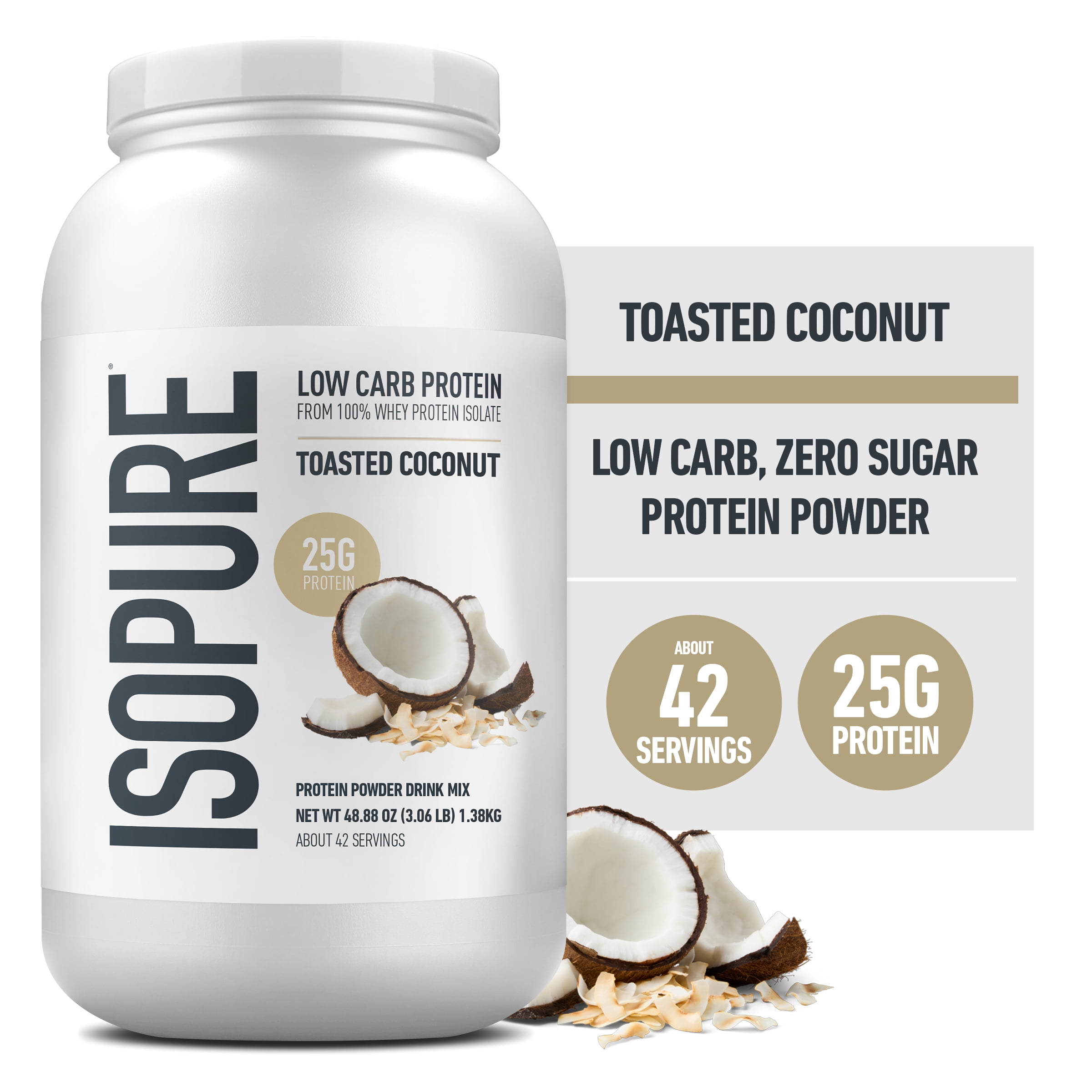

Universal Nutrition Animal Whey - 54 Servings - Frosted Cinnamon Bun
Analysis updated July 2026 · How Scout scores
At a glance
Summary
This protein powder features whey protein isolate, a high-quality protein source with excellent bioavailability and digestibility. However, the inclusion of soy, which can be genetically modified and heavily processed, raises some concerns. The product is moderately processed, but it lacks artificial sweeteners and dyes, which helps maintain a reasonable score.
Key ingredients 14
Whey Protein IsolateVery Good
Whey protein isolate is a high-quality protein source with a complete amino acid profile, making it excellent for muscle repair and growth. It is processed to remove most fats and lactose, enhancing its purity and digestibility. Compared to other protein sources, it offers superior bioavailability and absorption.
Benefits
Provides essential amino acids that support muscle recovery and growth.
MilkGood
Whole dairy ingredient.
Risks
May cause digestive issues in individuals with lactose intolerance.
Benefits
Rich in calcium and protein, supporting bone and muscle health.
GlycineGood
Beneficial ingredient — whole-food or functional value in this product class.
Benefits
Supports collagen production and neurotransmitter function.
FishNeutral
Fish is a source of protein and omega-3 fatty acids, which are beneficial for heart health. However, the specific type of fish and its processing method are not detailed, which limits the assessment of its quality. Without further information, it is difficult to determine its exact health impact.
Risks
Potential risk of mercury contamination depending on the type of fish used.
Benefits
May provide omega-3 fatty acids that support cardiovascular health.
Tree NutsNeutral
Tree nuts are a good source of healthy fats, protein, and various micronutrients. The specific type of nut is not mentioned, which affects the ability to assess its specific health benefits. They are generally beneficial unless there is an allergy present.
Risks
Potential allergen for individuals with nut allergies.
Benefits
Rich in healthy fats and nutrients that support heart health.
AlanineNeutral
Alanine is a non-essential amino acid involved in energy production and muscle metabolism. It is naturally found in protein-rich foods and supplements. Its role in the body is supportive but not critical compared to essential amino acids.
Benefits
Supports energy production and muscle metabolism.
ArginineNeutral
Arginine is an amino acid that plays a role in nitric oxide production, which can improve blood flow and cardiovascular health. It is commonly included in supplements for its potential performance-enhancing effects. However, its benefits are more pronounced in individuals with specific deficiencies.
Risks
Excessive intake may lead to gastrointestinal discomfort.
Benefits
May enhance blood flow and support cardiovascular health.
Aspartic AcidNeutral
Aspartic acid is a non-essential amino acid involved in hormone production and neurotransmitter regulation. It is naturally present in protein-rich foods. Its role is supportive in the body, contributing to overall amino acid balance.
Benefits
Supports hormone production and neurotransmitter regulation.
CystineNeutral
Cystine is a stable form of the amino acid cysteine, important for protein synthesis and antioxidant production. It is naturally found in high-protein foods. Its benefits are primarily related to its role in maintaining protein structure and function.
Benefits
Contributes to protein synthesis and antioxidant production.
Glutamic AcidNeutral
Glutamic acid is a non-essential amino acid that serves as a neurotransmitter in the brain. It is naturally present in many protein-rich foods. Its role is primarily supportive, contributing to overall amino acid balance and brain function.
Benefits
Supports neurotransmitter function and amino acid balance.
GlutamineNeutral
Glutamine is a conditionally essential amino acid important for immune function and gut health. It is naturally present in protein-rich foods and often supplemented for its potential benefits in recovery and gut integrity. Its benefits are more pronounced in individuals with specific needs or deficiencies.
Benefits
Supports immune function and gut health.
HistidineNeutral
Histidine is an essential amino acid important for growth and tissue repair. It is naturally present in protein-rich foods. Its role is critical in maintaining overall amino acid balance and supporting metabolic processes.
Benefits
Supports growth and tissue repair.
MethionineNeutral
Methionine is an essential amino acid involved in protein synthesis and detoxification processes. It is naturally present in protein-rich foods. Its role is critical in maintaining overall amino acid balance and supporting metabolic processes.
Risks
Excessive intake may lead to elevated homocysteine levels, which can be a risk factor for cardiovascular disease.
Benefits
Supports protein synthesis and detoxification processes.
SoyBad
Soy can be a controversial ingredient due to its phytoestrogen content, which may affect hormone balance. It is often genetically modified and heavily processed, which can reduce its nutritional value. Compared to animal proteins, soy has a less complete amino acid profile.
Risks
May interfere with hormone levels and is often genetically modified.
Benefits
Provides plant-based protein and may support heart health when consumed in moderation.
Processing
Processed Foods
Get the full breakdown in the Scout appTake Scout shopping
Scan any product to see lab results, healthy alternatives, and your personalized analysis.
Download on theApp Store GET IT ONGoogle Play