




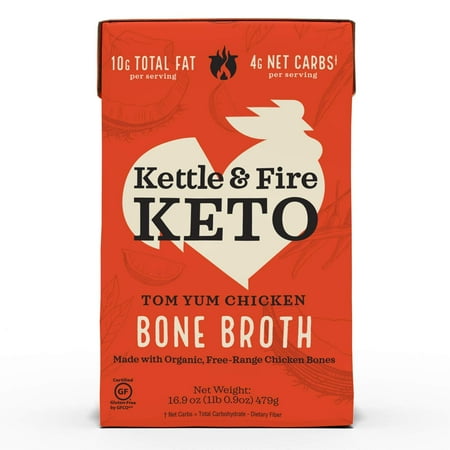
Chicken broth
Summary
This chicken broth contains beneficial ingredients like chicken stock and vegetables, which contribute to its nutritional value. However, the presence of seed oils such as canola and soybean oil, along with added sugars and natural flavors, detracts from its healthiness. The product is moderately processed, which further impacts its overall rating.
At a glance
Key ingredients 13
WaterNeutral
Water is a neutral ingredient used as a base in many food products. It provides no nutritional value but is essential for the consistency of the broth. It acts as a solvent for other ingredients.
See more about Water →Chicken StockGood
Chicken stock is a flavorful liquid made by simmering chicken bones and vegetables. It provides protein and essential nutrients like collagen. It enhances the taste and nutritional profile of the broth.
Risks
May contain sodium and other additives if not homemade.
Benefits
Rich in protein and collagen, supporting joint and skin health.
SaltNeutral
Salt is used to enhance flavor and preserve food. It is a common ingredient in broths and soups. Excessive consumption can lead to health issues.
Risks
High sodium intake can increase blood pressure and risk of heart disease.
Benefits
Essential for maintaining fluid balance and nerve function.
Yeast ExtractNeutral
Yeast extract is used to enhance flavor, often providing a savory umami taste. It is derived from yeast and contains natural glutamates. It is commonly used in processed foods.
Risks
May cause reactions in individuals sensitive to glutamates.
Benefits
Provides a rich umami flavor without the need for artificial additives.
Natural FlavorBad
Natural flavors are used to enhance taste but can be derived from complex chemical processes. They lack transparency in terms of specific ingredients. Often used in processed foods to mimic natural tastes.
Risks
Potential allergens and lack of transparency in ingredient sourcing.
CarrotsGood
Carrots are a nutritious vegetable rich in beta-carotene, fiber, and antioxidants. They contribute to the flavor and nutritional value of the broth. They are minimally processed and retain most of their nutrients.
Benefits
Rich in beta-carotene, supporting eye health and providing antioxidants.
CeleryGood
Celery is a low-calorie vegetable that adds flavor and nutrients to the broth. It contains vitamins A, C, and K, as well as antioxidants. It is minimally processed and retains its nutritional benefits.
Benefits
Provides vitamins and antioxidants, supporting overall health.
OnionsGood
Onions are a flavorful vegetable rich in antioxidants and vitamins. They enhance the taste and nutritional profile of the broth. They are minimally processed and retain their health benefits.
Benefits
Rich in antioxidants, supporting immune health and reducing inflammation.
Chicken FatNeutral
Chicken fat adds flavor and richness to the broth. It contains saturated fats and some essential fatty acids. It is a natural fat source but should be consumed in moderation.
Risks
High intake of saturated fats can increase cholesterol levels.
Benefits
Provides flavor and essential fatty acids.
SugarsBad
Sugars are added to enhance sweetness and flavor. They provide no essential nutrients and can contribute to calorie intake. Excessive consumption is linked to various health issues.
Risks
High sugar intake can lead to obesity, diabetes, and heart disease.
DextroseBad
Dextrose is a simple sugar used to enhance sweetness and flavor. It is quickly absorbed and can spike blood sugar levels. It is often used in processed foods.
Risks
Can contribute to insulin resistance and weight gain if consumed in excess.
Canola OilVery Bad
Canola oil is a seed oil high in omega-6 fatty acids. It is heavily processed and may contain trans fats. Its high omega-6 content can disrupt the omega-3 to omega-6 balance.
Risks
High omega-6 content may promote inflammation when consumed in excess.
Soybean OilVery Bad
Soybean oil is a seed oil high in omega-6 fatty acids. It is heavily processed and often genetically modified. Its high omega-6 content can contribute to inflammation.
Risks
High omega-6 content may promote inflammation and is often genetically modified.
Processing
Processed Foods
Get the full breakdown in the Scout app
Scan any product to see lab results, healthy alternatives, and your personalized analysis.
Download on theApp Store