

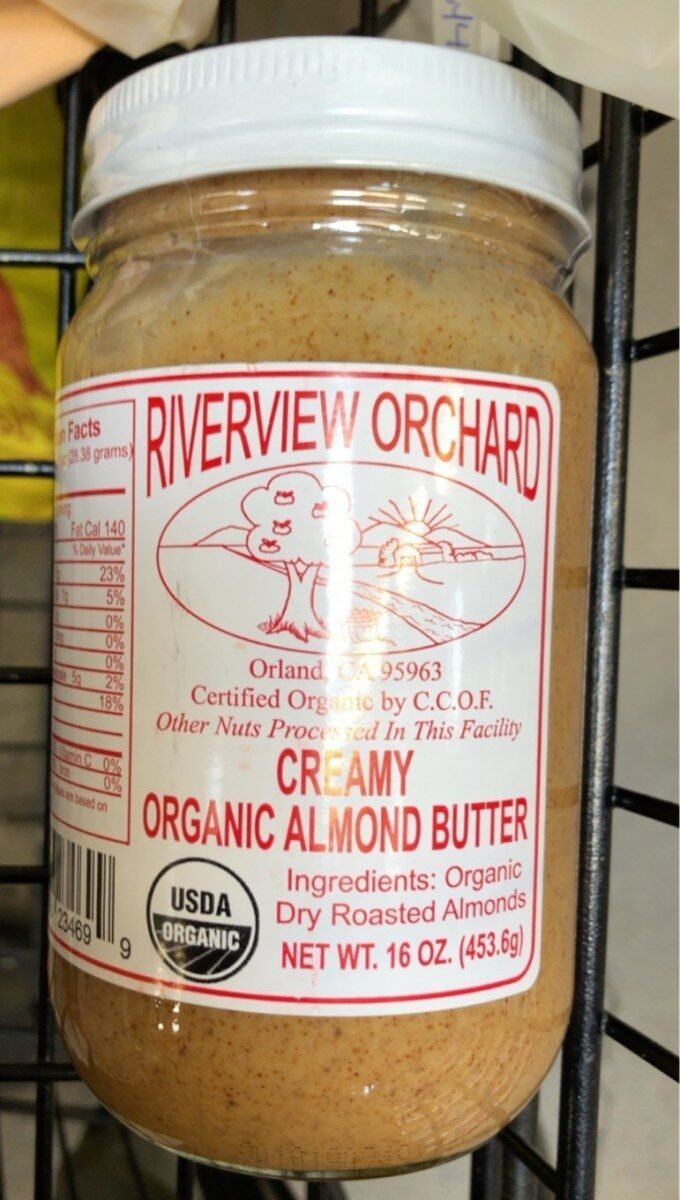


At a glance
Summary
This almond butter contains dry roasted almonds, which are a good source of healthy fats, protein, and fiber. However, the inclusion of palm oil, a highly processed oil with a high saturated fat content, detracts from its overall healthiness. The product is moderately processed, which limits its score despite the presence of beneficial ingredients like almonds and sea salt.
Key ingredients 4
Dry Roasted AlmondsVery Good
Dry roasted almonds are a rich source of healthy fats, protein, and fiber. They provide essential nutrients such as vitamin E, magnesium, and antioxidants. The roasting process enhances flavor without significantly degrading nutritional value.
Benefits
Rich in monounsaturated fats that support heart health and provide anti-inflammatory properties. High in protein and fiber, which can aid in satiety and digestive health.
Sea SaltGood
Sea salt is a minimally processed salt that contains trace minerals beneficial for health. It enhances flavor without the additives found in refined table salt. The presence of minerals like magnesium and calcium can support overall health.
Risks
Excessive sodium intake can lead to hypertension and cardiovascular issues.
Benefits
Contains trace minerals that can support electrolyte balance and overall health. Enhances flavor naturally without additives.
Palm OilBad
Palm oil is a highly processed oil often criticized for its environmental impact and high saturated fat content. It lacks the beneficial fatty acid profile of oils like olive or avocado oil. The refining process can strip away nutrients and introduce harmful compounds.
Risks
High saturated fat content may contribute to cardiovascular issues if consumed in excess. Environmental concerns due to deforestation and habitat destruction.
Benefits
Provides a stable cooking fat with a long shelf life. Contains some vitamin E in the form of tocotrienols, which have antioxidant properties.
Organic Cane SugarBad
Processed additive flagged under Scout's ingredient doctrine.
Risks
Excessive consumption can lead to health issues such as obesity, insulin resistance, and dental cavities.
Benefits
Provides a natural source of sweetness with trace minerals from retained molasses content.
Processing
Processed Foods
Get the full breakdown in the Scout appTake Scout shopping
Scan any product to see lab results, healthy alternatives, and your personalized analysis.
Download on theApp Store GET IT ONGoogle Play