
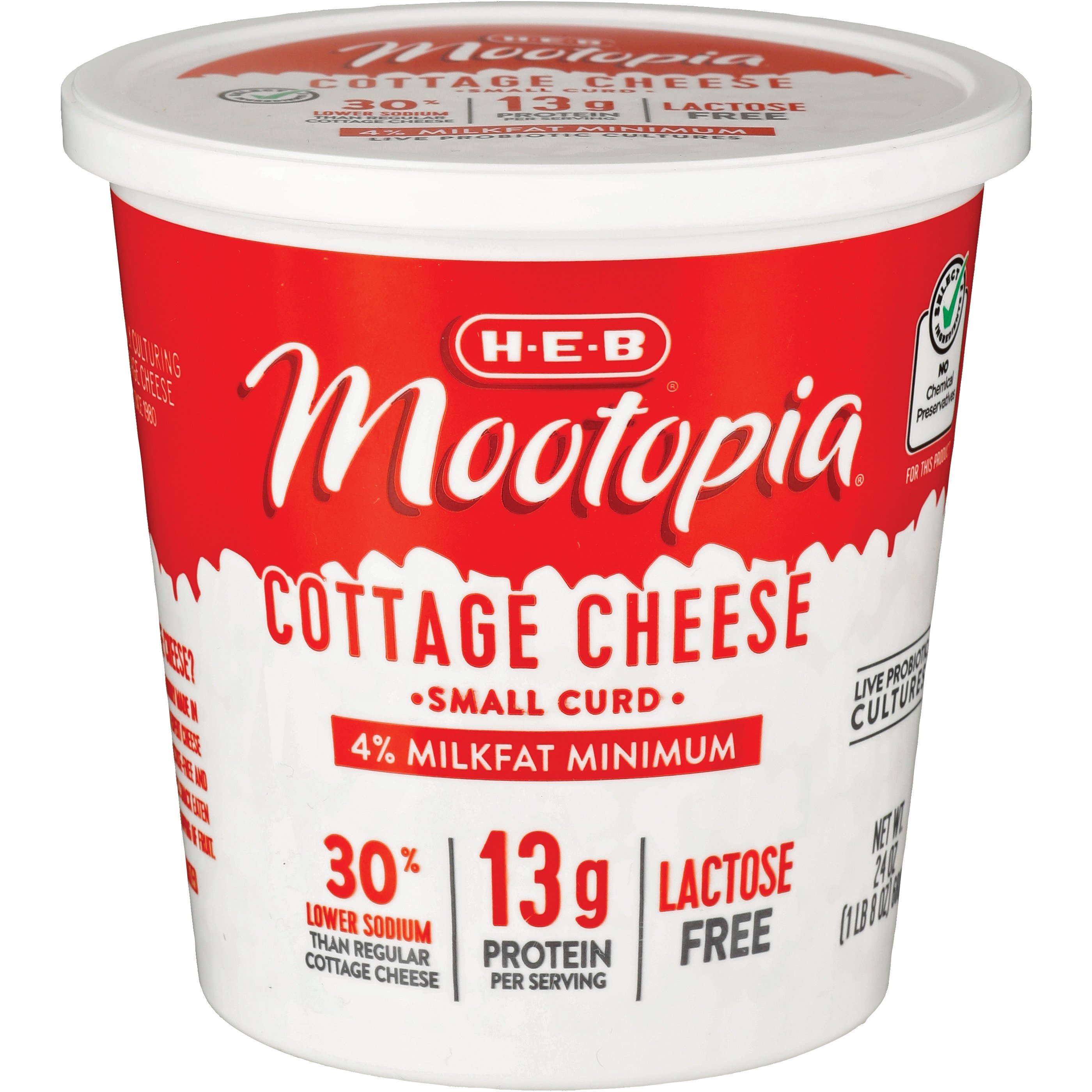


At a glance
Summary
This cottage cheese contains beneficial ingredients like cultured pasteurized skim milk, milk, and cream, which provide essential nutrients and healthy fats. However, it also includes additives such as guar gum and carrageenan, which are used to improve texture but can cause digestive issues. The presence of these additives and the level of processing limit its score, despite the nutritional benefits.
Key ingredients 10
Cultured Pasteurized Skim MilkGood
Cultured pasteurized skim milk is a good source of protein and calcium. The culturing process enhances digestibility and probiotic content. It is minimally processed, retaining essential nutrients.
Benefits
Provides high-quality protein and calcium, supporting bone health and muscle maintenance.
MilkGood
Milk is a rich source of essential nutrients including calcium, vitamin D, and protein. It is a whole food with minimal processing. The nutrients in milk support bone health and overall nutrition.
Risks
Lactose intolerance can cause digestive issues for some individuals.
Benefits
Supports bone health and provides essential nutrients like calcium and vitamin D.
CreamGood
Cream adds richness and flavor, providing healthy fats. It is minimally processed and enhances the texture of dairy products. The fats in cream can support satiety and flavor enhancement.
Risks
High in saturated fats, which should be consumed in moderation.
Benefits
Enhances flavor and texture, providing a source of energy and fat-soluble vitamins.
Nonfat Dry MilkNeutral
Nonfat dry milk is a dehydrated form of milk that retains most nutrients. It is used to enhance protein content and texture. The drying process is a form of preservation, extending shelf life.
Benefits
Provides protein and calcium, contributing to nutritional value.
SaltNeutral
Salt is used for flavor enhancement and preservation. It is a common culinary ingredient with minimal processing. While essential for bodily functions, excessive intake can lead to health issues.
Risks
Excessive sodium intake can contribute to hypertension and cardiovascular issues.
Benefits
Enhances flavor and acts as a preservative.
Guar GumNeutral
Standard formulation ingredient — neither beneficial nor harmful at typical use.
Risks
May cause digestive discomfort such as bloating and gas in sensitive individuals.
Benefits
Improves texture and stability in food products.
Carob Bean GumNeutral
Carob bean gum is a natural thickening agent derived from carob seeds. It is used to stabilize and thicken food products. It is generally considered safe and minimally processed.
Benefits
Provides a natural thickening effect, enhancing texture.
Microbial EnzymeNeutral
Microbial enzymes are used to aid in the cheese-making process. They are an alternative to animal rennet and are generally considered safe. These enzymes help in coagulating milk proteins.
Benefits
Facilitates cheese production and is suitable for vegetarian products.
Potassium ChlorideNeutral
Potassium chloride is used as a salt substitute to reduce sodium content. It provides potassium, an essential mineral for heart and muscle function. It is generally safe when consumed in moderation.
Risks
Excessive intake can lead to hyperkalemia, especially in individuals with kidney issues.
Benefits
Helps reduce sodium intake while providing essential potassium.
CarrageenanBad
Carrageenan is a thickening agent derived from seaweed. It is used to improve texture and shelf life in processed foods. Some studies suggest it may cause inflammation or digestive issues.
Risks
Potential to cause inflammation and digestive issues in some individuals.
Benefits
Improves texture and stability in food products.
Processing
Processed Foods
Get the full breakdown in the Scout appTake Scout shopping
Scan any product to see lab results, healthy alternatives, and your personalized analysis.
Download on theApp Store GET IT ONGoogle Play