


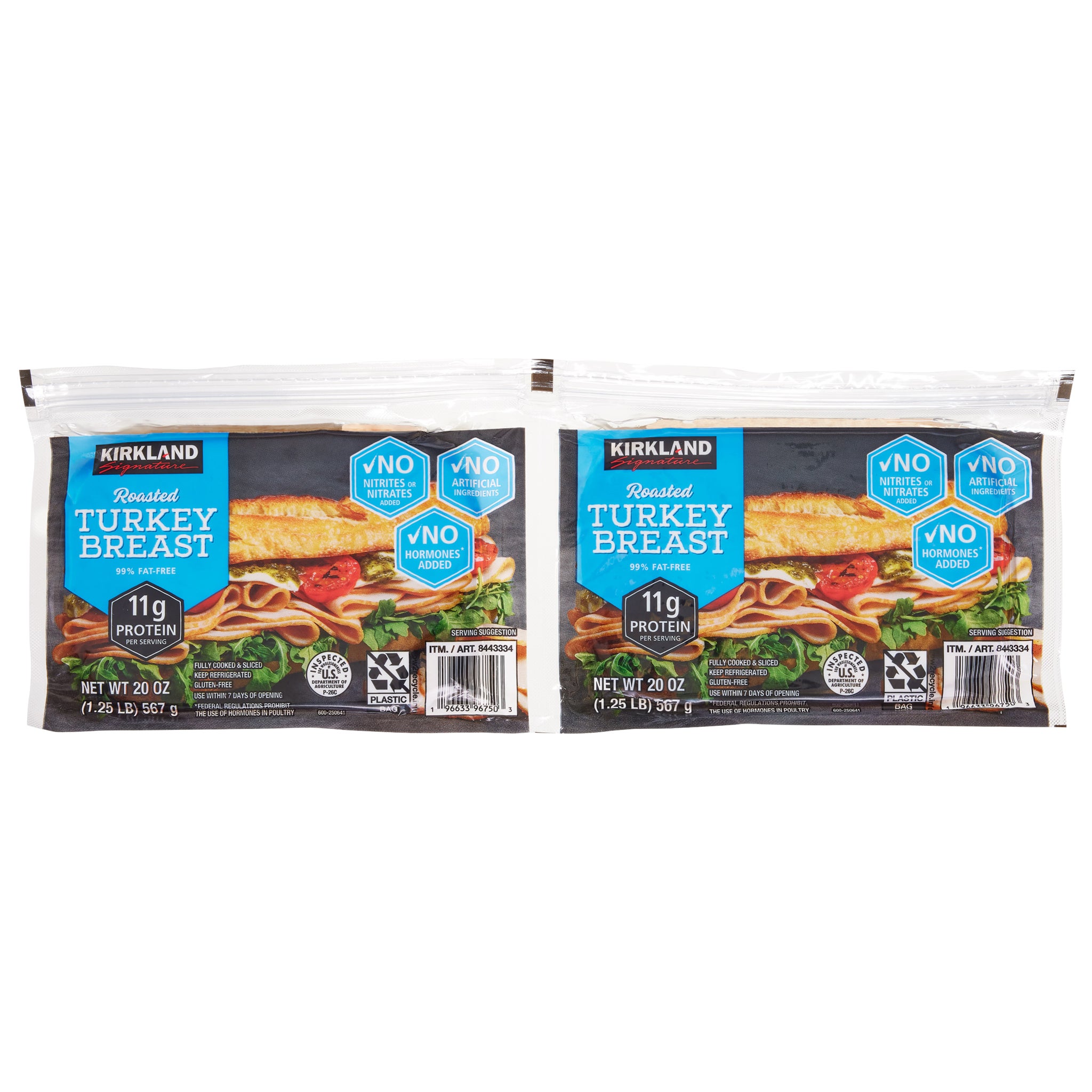

At a glance
Summary
The Cracked Peppercorn Turkey Breast is a processed product with a relatively clean ingredient list, featuring turkey breast as a primary component, which is a lean source of protein. The inclusion of natural flavors introduces some concern due to the lack of transparency in their composition. Despite being processed, the absence of major harmful additives and the use of beneficial ingredients like black pepper and sea salt contribute positively to its rating.
Key ingredients 7
Turkey breastGood
Turkey breast is a lean source of high-quality protein, providing essential amino acids. It is minimally processed and typically free from additives. Compared to other meats, it is lower in fat and calories, making it a healthy choice.
Benefits
Rich in protein, which is essential for muscle repair and growth. Low in fat and calories, supporting weight management and heart health.
Black pepperGood
Black pepper is a spice that adds flavor and has potential health benefits due to its antioxidant properties. It contains piperine, which may enhance nutrient absorption. It is minimally processed and free from additives.
Risks
Excessive consumption may cause gastrointestinal irritation in sensitive individuals.
Benefits
Contains antioxidants and may improve digestion and nutrient absorption.
Sea saltGood
Sea salt is a natural source of sodium and trace minerals, minimally processed compared to refined table salt. It enhances flavor without the need for artificial additives. Its mineral content can vary depending on the source.
Risks
Excessive sodium intake can lead to hypertension and cardiovascular issues.
Benefits
Provides essential sodium and trace minerals, supporting electrolyte balance and nerve function.
HoneyGood
Traditional whole-food sweetener with trace enzymes and antioxidants.
Risks
High sugar content can contribute to weight gain and blood sugar spikes if consumed in excess.
Benefits
Contains antioxidants and may have antimicrobial properties.
WaterNeutral
Water is used as a processing aid and does not contribute nutritional value. It is a common ingredient in many processed foods to maintain moisture. There are no health concerns associated with water as an ingredient.
See more about Water →VinegarNeutral
Vinegar is used for flavoring and preservation, with minimal processing involved. It is generally considered safe and has been used traditionally in cooking. While it has some health benefits, such as potential blood sugar regulation, these are not significant in small amounts.
Risks
Excessive consumption may lead to tooth enamel erosion or digestive discomfort.
Benefits
May help with blood sugar regulation and has antimicrobial properties.
Natural flavorsBad
Natural flavors are often used to enhance taste but lack transparency regarding their specific composition. They can be derived from various sources and may include additives. The lack of disclosure can be concerning for those with allergies or sensitivities.
Risks
Potential allergen risk due to undisclosed ingredients and possible inclusion of additives.
Processing
Processed Foods
Get the full breakdown in the Scout appTake Scout shopping
Scan any product to see lab results, healthy alternatives, and your personalized analysis.
Download on theApp Store GET IT ONGoogle Play