

At a glance
Summary
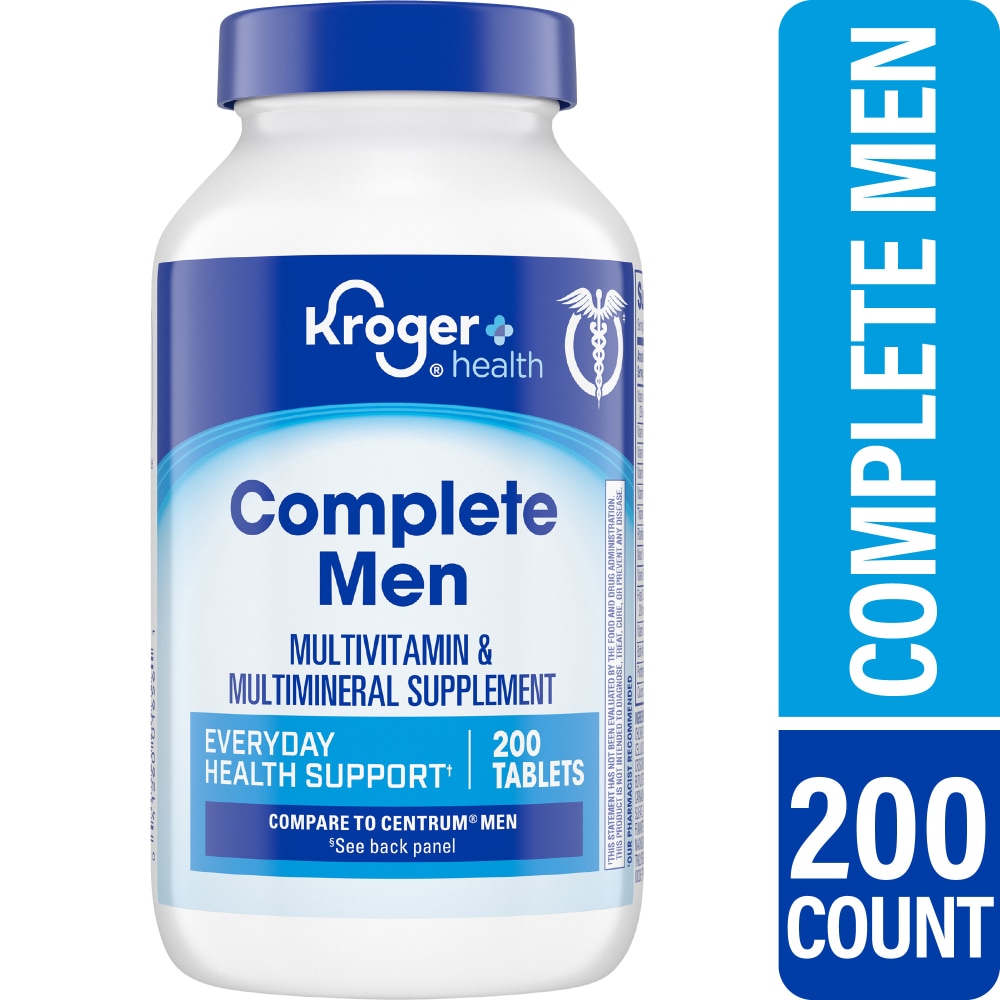
This multivitamin contains beneficial ingredients such as calcium carbonate, dicalcium phosphate, magnesium oxide, ascorbic acid, and zinc oxide, which support bone health, immune function, and overall wellness. However, the use of magnesium oxide and zinc oxide, which are less bioavailable forms, slightly reduces the formulation's effectiveness. The product is minimally processed and free from harmful additives, but the choice of less absorbable mineral forms impacts its overall score.
Key ingredients 7
Dicalcium PhosphateGood
Dicalcium phosphate is a source of both calcium and phosphorus, which are important for bone health. It is commonly used in supplements due to its stability and bioavailability. It also acts as a tableting agent in the manufacturing process.
Benefits
Contributes to bone strength and supports various metabolic processes.
Magnesium OxideGood
Magnesium oxide is a common form of magnesium used in supplements to support muscle and nerve function. It is less bioavailable compared to other forms like magnesium citrate but is effective for increasing magnesium levels. It is also used as an antacid and laxative.
Risks
High doses can cause gastrointestinal discomfort, including diarrhea.
Benefits
Supports muscle and nerve function, and helps maintain a healthy immune system.
Ascorbic AcidGood
Ascorbic acid, also known as vitamin C, is an essential nutrient that supports immune function and acts as an antioxidant. It is commonly used in supplements to prevent deficiencies and support overall health. It is water-soluble and must be consumed regularly as the body does not store it.
Risks
Excessive intake can lead to gastrointestinal disturbances such as diarrhea.
Benefits
Supports immune health and acts as a powerful antioxidant.
Zinc OxideGood
Zinc oxide is a form of zinc used in supplements to support immune function and wound healing. It is a stable and effective way to increase zinc intake. However, it is less bioavailable compared to other forms like zinc gluconate.
Risks
Excessive intake can lead to zinc toxicity, which may cause nausea and interfere with copper absorption.
Benefits
Supports immune health and is essential for various enzymatic reactions in the body.
Calcium CarbonateNeutral
Standard formulation ingredient — neither beneficial nor harmful at typical use.
Risks
Excessive intake can lead to hypercalcemia, which may cause kidney stones and impaired absorption of other minerals.
Benefits
Provides a significant source of calcium, which is crucial for maintaining strong bones and teeth.
Microcrystalline CelluloseNeutral
Microcrystalline cellulose is a common filler and binder in supplements, providing no nutritional value. It is derived from plant cellulose and is considered safe for consumption. It helps in the manufacturing process by providing bulk and stability to tablets.
See more about Microcrystalline Cellulose →Croscarmellose SodiumNeutral
Croscarmellose sodium is a disintegrant used in tablets to help them dissolve and release their active ingredients. It is derived from cellulose and is considered safe for consumption. It does not contribute any nutritional value.
See more about Croscarmellose Sodium →Processing
Unprocessed or Minimally Processed Foods
Get the full breakdown in the Scout appTake Scout shopping
Scan any product to see lab results, healthy alternatives, and your personalized analysis.
Download on theApp Store GET IT ONGoogle Play