



At a glance
Summary
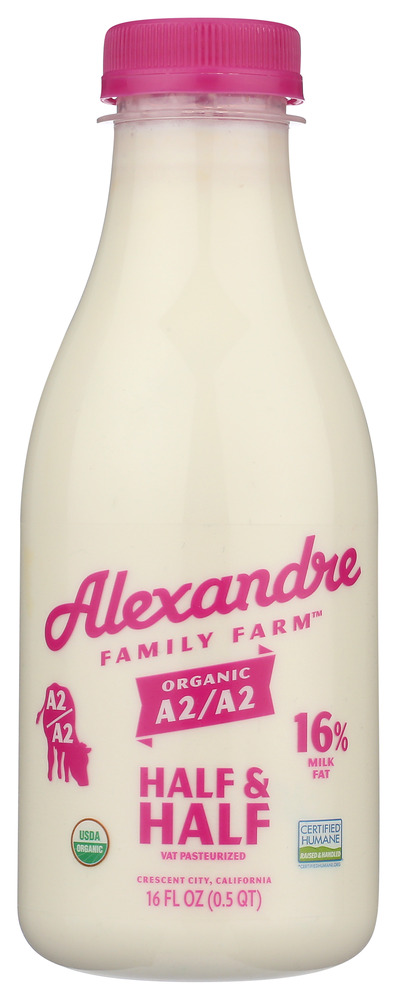
This product is minimally processed, consisting primarily of milk and cream, which are both natural sources of high-quality protein and essential nutrients. The presence of two additives, sodium citrate and disodium phosphate, is minimal and does not significantly detract from the overall quality. The product maintains a clean label with a short ingredient list, contributing to its high score.
Key ingredients 4
MilkGood
Milk is a natural source of high-quality protein and essential nutrients like calcium and vitamin D. It is minimally processed, retaining its beneficial properties. Grass-fed or organic milk can offer additional health benefits due to higher omega-3 fatty acids.
Risks
Some individuals may be lactose intolerant or allergic to milk proteins.
Benefits
Provides essential nutrients such as calcium, vitamin D, and high-quality protein that support bone health and muscle function.
CreamGood
Cream is a rich source of dairy fat, providing energy and fat-soluble vitamins. It is minimally processed, maintaining its natural nutrient profile. Organic or pasture-raised cream may contain higher levels of beneficial fatty acids.
Risks
High in saturated fat, which should be consumed in moderation to maintain heart health.
Benefits
Contains fat-soluble vitamins and provides a rich source of energy. May have higher levels of beneficial fatty acids if sourced from pasture-raised cows.
Sodium CitrateNeutral
Sodium citrate is used as an emulsifier and acidity regulator in food products. It is synthetically produced but generally recognized as safe. It helps maintain the stability and texture of dairy products.
Benefits
Helps maintain the stability and texture of dairy products, ensuring a consistent quality.
Disodium PhosphateNeutral
Disodium phosphate is used as an emulsifier and stabilizer in food products. It is synthetically produced and generally recognized as safe. It helps prevent separation and maintains the texture of dairy products.
Risks
Excessive consumption may lead to an imbalance in phosphate levels, but this is unlikely in typical dietary amounts.
Benefits
Helps maintain the texture and stability of dairy products, preventing separation.
Processing
Unprocessed or Minimally Processed Foods
Get the full breakdown in the Scout appTake Scout shopping
Scan any product to see lab results, healthy alternatives, and your personalized analysis.
Download on theApp Store GET IT ONGoogle Play