



At a glance
Summary
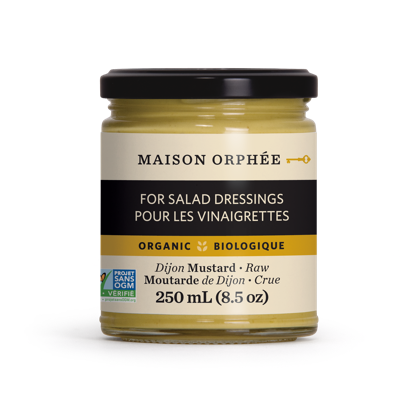
This Dijon mustard features a clean ingredient list with organic mustard seeds, vinegar, and turmeric, which are beneficial for their nutritional and health properties. However, the product is processed and contains a high level of salt, which can contribute to health issues like hypertension if consumed in excess. Despite the processing level, the absence of artificial additives and the use of organic ingredients support a higher score within the processed food category.
Key ingredients 6
Organic Mustard SeedsGood
Organic mustard seeds are a good source of essential nutrients and phytochemicals. Being organic, they are free from synthetic pesticides and fertilizers. They provide flavor and potential health benefits such as anti-inflammatory properties.
Risks
Mustard seeds may cause allergic reactions in some individuals.
Benefits
Rich in antioxidants and may have anti-inflammatory effects. Contains essential minerals like selenium and magnesium.
Organic VinegarGood
Organic vinegar is used for its acidic properties and flavor enhancement. It is produced through fermentation, which can offer probiotic benefits. Being organic, it is free from synthetic additives.
Risks
Excessive consumption may lead to enamel erosion or digestive discomfort.
Benefits
May aid digestion and provide probiotic benefits due to fermentation. Adds flavor without adding calories.
Organic TurmericGood
Organic turmeric is valued for its anti-inflammatory and antioxidant properties. It contains curcumin, which has been studied for various health benefits. Being organic, it is free from synthetic chemicals.
Benefits
Contains curcumin, which may reduce inflammation and provide antioxidant benefits. Supports overall health and wellness.
SpicesGood
Whole-food seasonings, antioxidant-bearing.
Risks
Potential for allergic reactions depending on the specific spices used.
Benefits
May provide antioxidants and enhance flavor without adding calories.
WaterNeutral
Water is a neutral ingredient used as a solvent and to adjust the consistency of the product. It does not contribute any significant nutritional value. It is essential for the formulation but does not impact health directly.
See more about Water →SaltNeutral
Salt is used to enhance flavor and preserve the product. High sodium content can contribute to hypertension and cardiovascular issues. It is important to consume in moderation to avoid health risks.
Risks
High sodium intake is associated with increased risk of hypertension and cardiovascular diseases.
Benefits
Essential for maintaining fluid balance and nerve function in small amounts.
Processing
Processed Foods
Get the full breakdown in the Scout appTake Scout shopping
Scan any product to see lab results, healthy alternatives, and your personalized analysis.
Download on theApp Store GET IT ONGoogle Play