
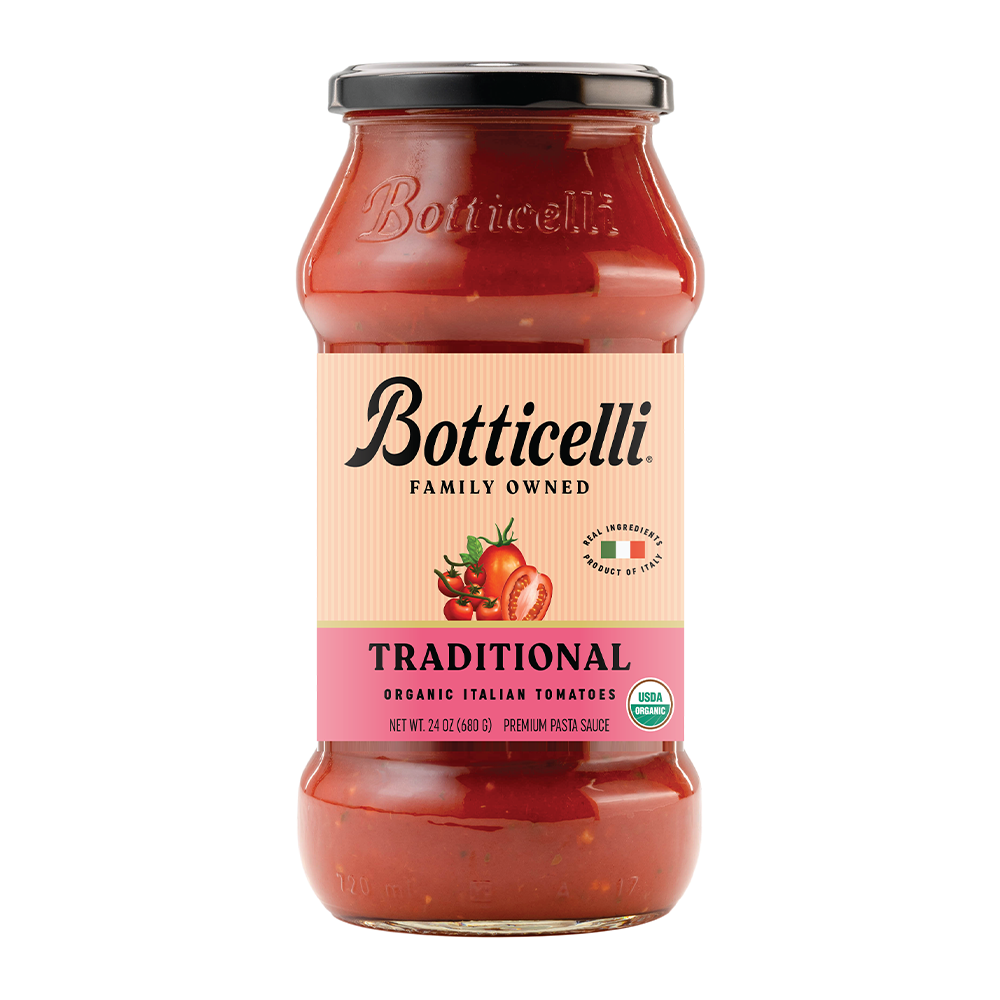


TRADITIONAL PASTA SAUCE
Near you
Aldi is carried at Aldi stores. Find one within 25 miles.
Summary
This traditional pasta sauce contains beneficial ingredients like tomato puree and diced tomatoes, which provide vitamins and antioxidants. However, the presence of added sugar and vegetable oils, which are high in omega-6 fatty acids and can promote inflammation, negatively impacts its healthiness. The product is moderately processed, which further limits its score despite the inclusion of some nutritious components.
At a glance
Key ingredients 10
Tomato pureeGood
Tomato puree is a concentrated form of tomatoes, providing a rich source of vitamins and antioxidants. It is minimally processed, retaining most of the nutritional benefits of fresh tomatoes. The puree is often used to enhance flavor and nutritional content in sauces.
Benefits
Rich in lycopene, an antioxidant that may reduce the risk of certain diseases. Provides vitamins A and C, supporting immune function and skin health.
Diced tomatoes in tomato juiceGood
Diced tomatoes in tomato juice offer a fresh tomato flavor and are a good source of vitamins and minerals. They are minimally processed, preserving the natural nutrients found in tomatoes. This ingredient adds texture and nutritional value to the sauce.
Benefits
Provides dietary fiber, vitamins A and C, and lycopene, which support overall health and may reduce inflammation.
SugarBad
Sugar is a refined carbohydrate that can contribute to increased calorie intake without providing essential nutrients. Excessive consumption of sugar is linked to various health issues, including obesity and metabolic disorders. In processed foods, sugar is often added to enhance sweetness and flavor.
Risks
High intake of sugar can lead to weight gain, increased risk of type 2 diabetes, and dental cavities.
Vegetable oilVery Bad
Vegetable oil, often derived from cottonseed, canola, or soybean, is high in omega-6 fatty acids, which can promote inflammation when consumed in excess. These oils are typically extracted using high heat and chemicals, which may degrade their nutritional quality. The use of seed oils is discouraged due to potential health risks associated with their consumption.
Risks
High omega-6 content may promote inflammation and increase the risk of chronic diseases when consumed in large amounts.
SaltNeutral
Salt is used as a seasoning and preservative in many foods. It enhances flavor but should be consumed in moderation to avoid health issues. Excessive salt intake is linked to high blood pressure and cardiovascular diseases.
Risks
Excessive consumption can lead to hypertension and increased risk of heart disease.
Benefits
Enhances flavor and acts as a preservative in food products.
Dehydrated garlicGood
Dehydrated garlic retains the flavor and some health benefits of fresh garlic. It is a convenient form of garlic that adds depth to dishes. Garlic is known for its potential health benefits, including antimicrobial and cardiovascular support.
Benefits
Contains compounds that may support heart health and have antimicrobial properties.
Onion powderGood
Onion powder is a dehydrated form of onion that provides flavor and some nutritional benefits. It is used to enhance the taste of dishes without the need for fresh onions. Onions contain antioxidants and compounds that may support health.
Benefits
Provides antioxidants and may support immune function and heart health.
SpicesGood
Spices such as basil and oregano add flavor and potential health benefits to dishes. They are rich in antioxidants and have anti-inflammatory properties. The use of spices can enhance the nutritional profile of foods.
Benefits
Rich in antioxidants and may provide anti-inflammatory benefits.
Citric acidNeutral
Citric acid is a natural preservative and flavor enhancer commonly used in food products. It is generally recognized as safe and helps maintain the stability and freshness of foods. Citric acid is naturally found in citrus fruits and is used to add a tart flavor.
Benefits
Helps preserve food and enhance flavor without significant nutritional benefits.
Dehydrated parsleyGood
Dehydrated parsley retains some of the nutritional benefits of fresh parsley, including vitamins and antioxidants. It is used to add flavor and color to dishes. Parsley is known for its potential health benefits, including supporting digestion and providing antioxidants.
Benefits
Provides vitamins A, C, and K, and may support digestion and overall health.
Processing
Processed Foods
Get the full breakdown in the Scout app
Scan any product to see lab results, healthy alternatives, and your personalized analysis.
Download on theApp Store