
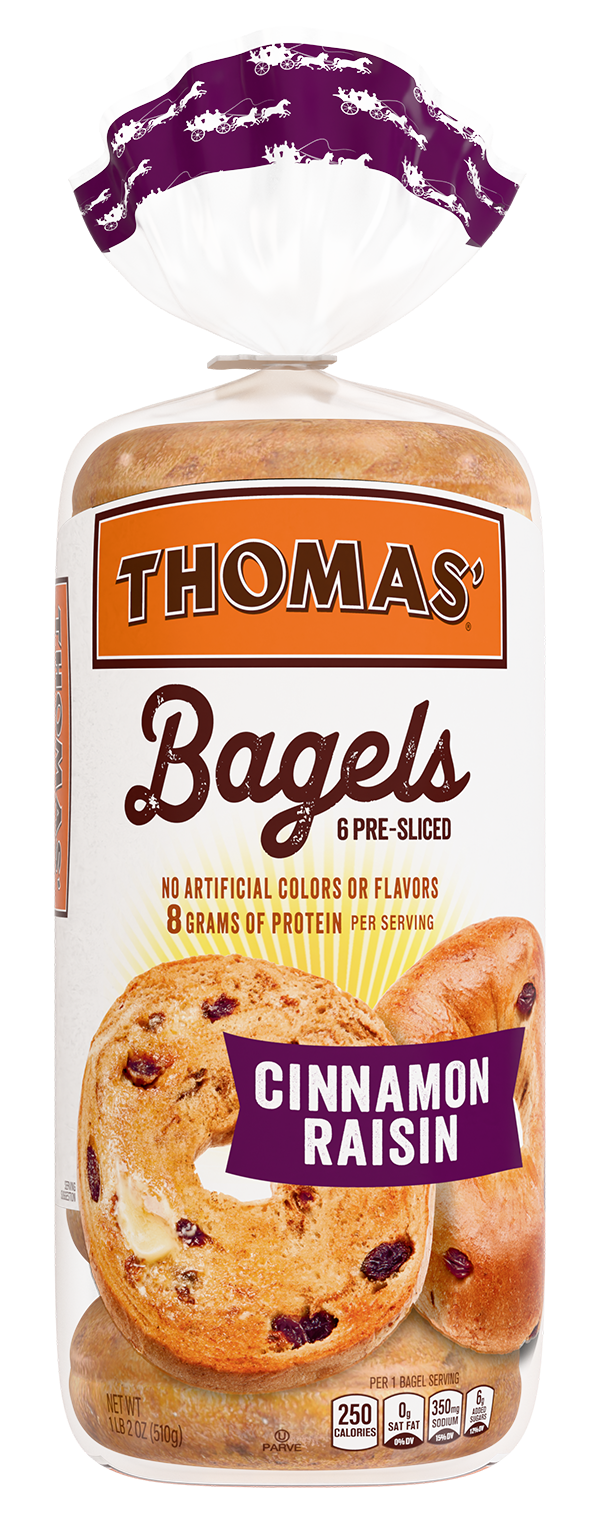


Cinnamon Raisin Bagels
Summary
This product contains beneficial ingredients like raisins and cinnamon, which provide natural sweetness and antioxidants. However, it also includes refined sugar and mono-diglycerides, which are processed additives that can negatively impact health. The presence of these additives and the overall processing level limit the product's healthiness despite some positive nutritional aspects.
At a glance
Key ingredients 11
Enriched High Gluten FlourNeutral
Enriched high gluten flour provides structure and elasticity to baked goods. It is fortified with vitamins and minerals, which can be beneficial for nutrient intake. However, it is a refined flour, lacking the fiber and nutrients found in whole grains.
Risks
Refined flour can contribute to blood sugar spikes and lacks the fiber of whole grains.
Benefits
Fortification adds essential nutrients like iron and B vitamins, which can support overall health.
WaterNeutral
Water is a fundamental ingredient in baking, providing moisture and aiding in the mixing process. It is essential for activating yeast and developing gluten. As a natural and unprocessed ingredient, it poses no health risks.
Benefits
Essential for hydration and necessary for the chemical reactions in baking.
SugarBad
Sugar is used to enhance flavor and aid in yeast fermentation. However, it is a refined carbohydrate that can contribute to health issues like obesity and diabetes when consumed in excess. It lacks nutritional benefits and can lead to increased calorie intake.
Risks
Excessive consumption can lead to weight gain, insulin resistance, and dental issues.
Benefits
Provides energy and enhances the flavor profile of baked goods.
RaisinsGood
Raisins are dried grapes that provide natural sweetness and a source of fiber. They contain antioxidants and essential nutrients like potassium and iron. As a whole food, they offer more nutritional benefits compared to refined sugars.
Risks
High in natural sugars, which can contribute to calorie intake if consumed in large quantities.
Benefits
Rich in antioxidants and fiber, supporting digestive health and providing essential nutrients.
YeastGood
Yeast is a microorganism used in baking to leaven dough, creating a light and airy texture. It is a natural ingredient that contributes to the fermentation process. Yeast can also provide small amounts of B vitamins and protein.
Benefits
Contributes to dough rising and can provide nutritional benefits like B vitamins.
SaltNeutral
Salt is used to enhance flavor and control yeast activity in baking. It is a necessary component for taste and texture in baked goods. However, excessive salt intake can lead to health issues such as hypertension.
Risks
High sodium intake can contribute to high blood pressure and cardiovascular issues.
Benefits
Enhances flavor and helps regulate yeast fermentation in baking.
CinnamonGood
Cinnamon is a spice that adds flavor and aroma to baked goods. It contains antioxidants and has anti-inflammatory properties. As a natural spice, it can contribute to overall health when used in moderation.
Benefits
Provides antioxidants and may have anti-inflammatory effects, enhancing both flavor and health benefits.
Mono-DiglyceridesBad
Mono-diglycerides are emulsifiers used to improve texture and extend shelf life in baked goods. They are processed additives that can contain trans fats, which are linked to heart disease. Their presence indicates a higher level of processing in the product.
Risks
May contain trans fats, which are associated with increased risk of heart disease.
Benefits
Improves texture and shelf stability of baked goods.
Calcium PropionateNeutral
Calcium propionate is a preservative used to prevent mold growth in baked goods. It is generally recognized as safe but is a synthetic additive. Its use helps extend the shelf life of products, reducing food waste.
Risks
Some individuals may experience allergic reactions or sensitivities to preservatives.
Benefits
Prevents mold growth, extending the shelf life of baked goods.
EnzymeNeutral
Enzymes are used in baking to improve dough handling and texture. They are natural proteins that catalyze biochemical reactions. Their use in baking is generally considered safe and beneficial for product quality.
Benefits
Enhances dough quality and texture, improving the final product.
CornmealNeutral
Cornmeal is used to prevent sticking and add texture to baked goods. It is a whole grain product that provides some fiber and nutrients. However, it is typically used in small amounts, limiting its nutritional impact.
Benefits
Adds texture and provides some fiber and nutrients as a whole grain.
Processing
Processed Foods
Get the full breakdown in the Scout app
Scan any product to see lab results, healthy alternatives, and your personalized analysis.
Download on theApp Store