

At a glance
Summary
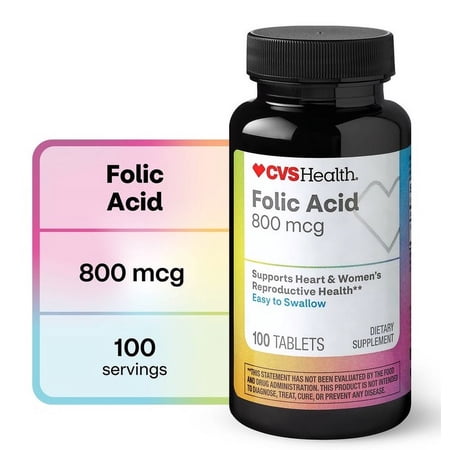
This folic acid supplement contains a straightforward formulation with minimal additives, which is generally positive for ingredient quality. However, the presence of maltodextrin as a filler and several other non-active ingredients like cellulose and magnesium stearate slightly detracts from its overall purity. Despite these minor concerns, the product remains a reasonable choice for those seeking folic acid supplementation.
Key ingredients 6
CelluloseNeutral
Cellulose is a plant-derived fiber used as a binder in supplements. It is generally considered safe and does not contribute any significant nutritional value. Its primary role is to provide structure to the tablet without affecting its nutritional profile.
See more about Cellulose →Dicalcium PhosphateNeutral
Dicalcium phosphate is used as a dietary supplement and a tableting agent. It provides calcium and phosphorus, which are essential for bone health, but in small quantities typical of supplements, its impact is minimal. It is a common and generally safe ingredient in supplements.
Risks
Excessive intake may lead to imbalances in calcium and phosphorus levels.
Benefits
Provides a source of calcium and phosphorus, which are important for maintaining healthy bones.
CroscarmelloseNeutral
Croscarmellose is a disintegrant used to help tablets dissolve in the digestive tract. It is considered safe and effective for its intended purpose. It does not contribute any nutritional value but aids in the bioavailability of active ingredients.
Benefits
Enhances the dissolution and absorption of active ingredients in the tablet.
SilicaNeutral
Silica is used as an anti-caking agent to prevent clumping in supplements. It is considered safe and does not contribute any nutritional value. Its primary function is to maintain the quality and consistency of the tablet.
Benefits
Helps maintain the quality and consistency of the tablet by preventing clumping.
Vegetable Magnesium StearateNeutral
Vegetable magnesium stearate is used as a lubricant in the manufacturing of tablets. It is derived from plant sources and is generally recognized as safe. It does not provide nutritional benefits but ensures the smooth production of tablets.
Benefits
Facilitates the manufacturing process by acting as a lubricant, ensuring smooth tablet production.
MaltodextrinBad
Processed additive flagged under Scout's ingredient doctrine.
Risks
May cause spikes in blood sugar levels if consumed in large quantities.
Benefits
Provides a quick source of energy and improves the texture of the tablet.
Processing
Processed Foods
Get the full breakdown in the Scout appTake Scout shopping
Scan any product to see lab results, healthy alternatives, and your personalized analysis.
Download on theApp Store GET IT ONGoogle Play