
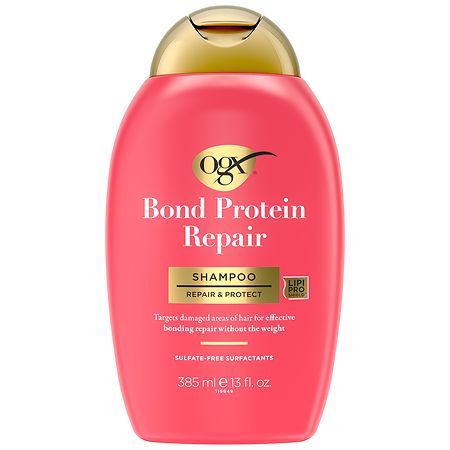
OGX Repair & Protect Bond Protein Lightweight Shampoo - 13 fl. oz
Analysis updated September 2026 · How Scout scores
At a glance
Summary
This shampoo contains beneficial ingredients like sodium methyl cocoyl taurate and decyl glucoside, which are gentle surfactants derived from coconut oil, and panthenol, which is known for its moisturizing properties. However, the presence of synthetic fragrance and amodimethicone, a non-water-soluble silicone, raises concerns about potential buildup and irritation. The formulation is mostly clean but includes some ingredients that could impact hair health negatively over time.
Key ingredients 22
Coco-GlucosideVery Good
Coco-Glucoside is a mild, non-ionic surfactant derived from coconut oil and glucose. It is known for its gentle cleansing properties and is environmentally friendly.
Risks
There are minimal risks associated with Coco-Glucoside, though it may cause mild irritation in rare cases.
Benefits
Provides gentle cleansing and is suitable for sensitive skin and environmentally conscious consumers.
Sodium Methyl Cocoyl TaurateGood
Sodium Methyl Cocoyl Taurate is a mild surfactant derived from coconut oil. It is known for its gentle cleansing properties and is less likely to strip natural oils from the hair. It is considered a safer alternative to harsher sulfates.
Risks
There are minimal risks associated with this ingredient, though some individuals may experience mild irritation.
Benefits
It provides gentle cleansing without stripping natural oils, making it suitable for sensitive scalps.
Decyl GlucosideGood
Decyl Glucoside is a non-ionic surfactant derived from glucose and coconut oil. It is known for being very mild and biodegradable, making it an excellent choice for sensitive skin and environmentally friendly formulations.
Risks
There are minimal risks associated with Decyl Glucoside, though it may cause mild irritation in rare cases.
Benefits
It is gentle on the skin and hair, making it suitable for sensitive scalps and environmentally conscious consumers.
Triticum Vulgare (Wheat) ProteinGood
Wheat protein is a hydrolyzed protein that helps to strengthen and repair hair. It is known for its ability to improve hair elasticity and moisture retention.
Risks
May cause allergic reactions in individuals with wheat allergies.
Benefits
Strengthens and repairs hair, improving elasticity and moisture retention.
Tocopheryl AcetateGood
Tocopheryl Acetate is a form of Vitamin E, known for its antioxidant properties. It helps to protect hair from environmental damage and supports healthy hair growth.
Risks
Generally considered safe, though high concentrations may cause skin irritation.
Benefits
Provides antioxidant protection and supports healthy hair growth.
PanthenolGood
Panthenol, also known as pro-vitamin B5, is a moisturizing agent that helps to improve hair elasticity and moisture retention. It is widely used in hair care products for its conditioning benefits.
Risks
Generally considered safe, though some individuals may experience mild irritation.
Benefits
Improves hair elasticity and moisture retention, providing conditioning benefits.
GlycerinGood
Glycerin is a humectant that attracts moisture to the hair and scalp. It is known for its hydrating properties and is commonly used in hair care products to improve moisture levels.
Risks
Generally considered safe, though excessive use may lead to a sticky feel.
Benefits
Attracts moisture, improving hydration and overall hair health.
Water (Aqua)Neutral
Water is a common solvent used in cosmetic formulations. It helps dissolve other ingredients and provides a base for the product. It does not have any direct benefits or risks associated with its use in shampoos.
Risks
There are no significant risks associated with water in cosmetic formulations.
Benefits
Water acts as a solvent and helps in the application of the product.
Cocamidopropyl BetaineNeutral
Cocamidopropyl Betaine is a surfactant derived from coconut oil. It is used to enhance the foaming properties of shampoos and is generally considered mild. However, it can cause allergic reactions in some individuals.
Risks
There is a potential for allergic reactions, particularly in individuals with sensitive skin.
Benefits
It enhances foam and provides mild cleansing properties.
PEG-150 DistearateNeutral
PEG-150 Distearate is an emulsifier and thickening agent used in shampoos. It helps to stabilize formulations and improve texture. However, PEG compounds can be contaminated with harmful impurities during manufacturing.
Risks
Potential contamination with harmful impurities such as 1,4-dioxane.
Benefits
Improves texture and stability of the product.
HydroxypropylgluconamideNeutral
Hydroxypropylgluconamide is used as a conditioning agent in hair care products. It helps to improve the texture and manageability of hair. There is limited information on its safety profile.
Risks
Limited information on safety, though generally considered safe for use in cosmetics.
Benefits
Improves hair texture and manageability.
Hydroxypropylammonium GluconateNeutral
Hydroxypropylammonium Gluconate is a conditioning agent that helps to improve hair texture. It is used to enhance the feel and appearance of hair.
Risks
Limited information on safety, though generally considered safe for use in cosmetics.
Benefits
Enhances hair texture and appearance.
Sodium Hydrolyzed Potato Starch DodecenylsuccinateNeutral
This ingredient is used as a film-forming agent and texture enhancer in hair care products. It helps to improve the feel and appearance of hair.
Risks
Limited information on safety, though generally considered safe for use in cosmetics.
Benefits
Enhances texture and appearance of hair.
Guar Hydroxypropyltrimonium ChlorideNeutral
This ingredient is a conditioning agent derived from guar gum. It helps to improve the texture and manageability of hair.
Risks
Generally considered safe, though some individuals may experience mild irritation.
Benefits
Improves hair texture and manageability.
Hydrogenated Castor OilNeutral
Hydrogenated Castor Oil is used as an emollient and conditioning agent in hair care products. It helps to improve the texture and appearance of hair.
Risks
Generally considered safe, though some individuals may experience mild irritation.
Benefits
Provides emollient properties, improving hair texture and appearance.
Glycol DistearateNeutral
Glycol Distearate is used as a pearlizing agent and thickener in shampoos. It helps to improve the appearance and texture of the product.
Risks
Generally considered safe, though some individuals may experience mild irritation.
Benefits
Enhances the appearance and texture of the product.
Hexylene GlycolNeutral
Hexylene Glycol is used as a solvent and viscosity agent in cosmetic formulations. It helps to improve the texture and stability of the product.
Risks
Generally considered safe, though some individuals may experience mild irritation.
Benefits
Improves texture and stability of the product.
Citric AcidNeutral
Citric Acid is used to adjust the pH of cosmetic formulations. It helps to maintain the stability and effectiveness of the product.
Risks
Generally considered safe, though high concentrations may cause skin irritation.
Benefits
Helps to maintain pH balance and stability of the product.
Sodium HydroxideNeutral
Sodium Hydroxide is used to adjust the pH of cosmetic formulations. It is a strong base that helps to maintain the stability and effectiveness of the product.
Risks
High concentrations can cause skin irritation and damage.
Benefits
Helps to maintain pH balance and stability of the product.
AmodimethiconeBad
Amodimethicone is a silicone-based conditioning agent that can lead to buildup on hair over time. It is not water-soluble, which can make it difficult to remove without harsh surfactants.
Risks
Potential for buildup on hair, leading to dullness and brittleness.
Benefits
Provides conditioning and smoothness to hair.
Sodium BenzoateBad
Synthetic preservative that can form benzene in the presence of vitamin C.
Risks
May cause skin irritation in sensitive individuals.
Benefits
Prevents microbial growth, extending the shelf life of the product.
Fragrance (Parfum)Very Bad
Fragrance in cosmetics is often a mixture of various chemicals, some of which can cause skin irritation or allergic reactions. It is not always clear what specific chemicals are included, leading to concerns about transparency and safety.
Risks
Potential for skin irritation and allergic reactions, especially in sensitive individuals.
Benefits
Provides a pleasant scent to the product, enhancing user experience.
Get the full breakdown in the Scout appTake Scout shopping
Scan any product to see lab results, healthy alternatives, and your personalized analysis.
Download on theApp Store GET IT ONGoogle PlayAmazon pricing & content
Amazon price as of . Product prices and availability are accurate as of the date/time indicated and are subject to change. Any price and availability information displayed on Amazon.com at the time of purchase will apply to the purchase of this product.
CERTAIN CONTENT THAT APPEARS ON THIS SITE COMES FROM AMAZON. THIS CONTENT IS PROVIDED “AS IS” AND IS SUBJECT TO CHANGE OR REMOVAL AT ANY TIME.