
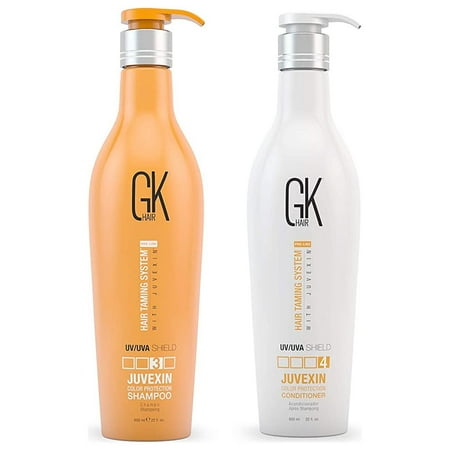
GK HAIR Global Keratin Colored Shield Shampoo and Conditioner Sets (22 Fl Oz/650ml) - Deep Cleansing Moisturizing Heat Shield Protection for Color Treated Dry Damaged Curly Frizzy Hair - Sulfate Free
Analysis updated July 2026 · How Scout scores
At a glance
Summary
This shampoo and conditioner set is sulfate-free, which is beneficial for maintaining hair health without stripping natural oils. It includes several beneficial ingredients like aloe vera, panthenol, and hydrolyzed keratin that support hair strength and moisture. However, the presence of phenoxyethanol and synthetic fragrance (parfum) introduces potential irritation risks, which slightly detracts from its overall safety profile.
Key ingredients 28
Cocamidopropyl HydroxysultaineGood
Cocamidopropyl Hydroxysultaine is a mild surfactant derived from coconut oil. It is used to enhance foam and improve the conditioning properties of the product. It is generally well-tolerated and considered gentle on the skin.
Risks
Rarely, it may cause mild irritation in sensitive individuals.
Benefits
Enhances foam and provides mild cleansing without stripping natural oils.
Disodium CocoamphodiacetateGood
Disodium Cocoamphodiacetate is a gentle surfactant derived from coconut oil. It is used to reduce irritation potential and improve the mildness of the formulation. It is suitable for sensitive skin and hair.
Risks
Generally considered safe with minimal risk of irritation.
Benefits
Provides gentle cleansing and helps maintain the natural moisture balance of the hair.
Methyl Gluceth-20Good
Methyl Gluceth-20 is a humectant and emollient that helps to moisturize and soften the hair. It is derived from glucose and is known for its ability to enhance the feel of the product. It is considered safe and non-irritating.
Benefits
Improves moisture retention and leaves hair feeling soft and smooth.
Aloe Barbadensis Leaf JuiceGood
Aloe Barbadensis Leaf Juice is known for its soothing and moisturizing properties. It is derived from the aloe vera plant and is widely used in cosmetics for its hydrating benefits. It is considered safe and beneficial for both skin and hair.
Risks
Generally considered safe with minimal risk of irritation.
Benefits
Provides hydration and soothing benefits, improving hair and scalp health.
PanthenolGood
Panthenol, also known as provitamin B5, is used for its moisturizing and conditioning properties. It penetrates the hair shaft, improving moisture retention and elasticity. It is considered safe and beneficial for hair health.
Benefits
Enhances moisture retention and improves hair strength and elasticity.
Hydrolyzed KeratinGood
Hydrolyzed Keratin is a protein derived from keratin that helps strengthen and repair hair. It penetrates the hair shaft, improving elasticity and reducing breakage. It is considered beneficial for hair health.
Benefits
Strengthens hair and reduces breakage, improving overall hair health.
Keratin (Juvexin)Good
Keratin (Juvexin) is a form of keratin used to strengthen and protect hair. It helps improve hair texture and manageability by reducing frizz and enhancing smoothness. It is considered beneficial for hair health.
Benefits
Strengthens and protects hair, improving texture and reducing frizz.
AquaNeutral
Aqua, or water, is the primary solvent in most cosmetic products. It helps dissolve other ingredients and provides a base for the formulation. It is generally considered safe and non-reactive.
Risks
There are no significant risks associated with water in cosmetic formulations.
Benefits
Water is essential for dissolving ingredients and ensuring even distribution in the product.
Sodium C14-16 Olefin SulfonateNeutral
Sodium C14-16 Olefin Sulfonate is a surfactant used for its cleansing properties. It is effective in removing dirt and oil from hair. However, it can be harsh and potentially drying for some hair types.
Risks
May cause dryness or irritation for sensitive scalps.
Benefits
Provides effective cleansing by removing oils and impurities from the hair.
EthylhexylglycerinNeutral
Ethylhexylglycerin is used as a skin conditioning agent and preservative enhancer. It is considered safe and is often used in combination with other preservatives. It has a low risk of irritation.
Risks
Generally considered safe with minimal risk of irritation.
Benefits
Enhances the efficacy of preservatives and provides skin conditioning benefits.
Glycol DistearateNeutral
Glycol Distearate is used as an opacifying agent and to provide a pearlescent appearance. It also acts as a skin conditioning agent. It is generally considered safe for use in cosmetics.
Benefits
Improves the visual appeal of the product and provides conditioning benefits.
Polyquaternium-7Neutral
Polyquaternium-7 is a conditioning agent that helps improve the texture and manageability of hair. It forms a film on the hair, providing smoothness and reducing static. It is generally considered safe for use in hair care products.
Risks
May cause buildup on hair with prolonged use.
Benefits
Improves hair manageability and reduces static and frizz.
Polyquaternium-10Neutral
Polyquaternium-10 is a conditioning polymer that enhances the texture and feel of hair. It provides a protective film that helps reduce frizz and improve combability. It is widely used in hair care products and is considered safe.
Risks
Potential for buildup on hair with frequent use.
Benefits
Enhances hair smoothness and reduces frizz and tangling.
Guar Hydroxypropyltrimonium ChlorideNeutral
Guar Hydroxypropyltrimonium Chloride is a conditioning agent derived from guar gum. It helps improve the texture and manageability of hair by reducing static and enhancing smoothness. It is considered safe for use in hair care products.
Risks
May cause buildup on hair with prolonged use.
Benefits
Improves hair manageability and reduces static and frizz.
PEG-150 Pentaerythrityl TetrastearateNeutral
PEG-150 Pentaerythrityl Tetrastearate is used as a thickening agent and emulsifier in cosmetic formulations. It helps stabilize the product and improve its texture. It is generally considered safe for use in cosmetics.
Benefits
Enhances product stability and texture, providing a smooth application.
Citric AcidNeutral
Citric Acid is used to adjust the pH of cosmetic products and acts as a preservative. It is naturally found in citrus fruits and is generally considered safe for use in cosmetics. It can also help improve the effectiveness of other preservatives.
Risks
May cause mild irritation in sensitive individuals.
Benefits
Helps maintain product stability and enhances preservative efficacy.
PEG-6 Caprylic/Capric GlyceridesNeutral
PEG-6 Caprylic/Capric Glycerides are used as emulsifiers and skin conditioning agents. They help improve the texture and spreadability of the product. They are generally considered safe for use in cosmetics.
Benefits
Improves product texture and provides skin conditioning benefits.
Quaternium-95Neutral
Quaternium-95 is a conditioning agent used to improve the texture and manageability of hair. It forms a film on the hair, providing smoothness and reducing static. It is generally considered safe for use in hair care products.
Risks
May cause buildup on hair with prolonged use.
Benefits
Improves hair manageability and reduces static and frizz.
PropanediolNeutral
Propanediol is used as a solvent and humectant in cosmetic formulations. It helps improve the texture and moisture retention of the product. It is generally considered safe for use in cosmetics.
Benefits
Enhances product texture and provides moisture retention benefits.
Oxidized KeratinNeutral
Oxidized Keratin is a form of keratin used to improve hair strength and elasticity. It helps repair damaged hair and enhance its appearance. It is generally considered safe for use in hair care products.
Benefits
Improves hair strength and elasticity, reducing damage and breakage.
Benzyl BenzoateNeutral
Benzyl Benzoate is used as a fragrance ingredient and solvent in cosmetic products. It is generally considered safe for use in cosmetics, although it can cause irritation in some individuals. It is used in low concentrations to minimize risks.
Risks
May cause irritation or allergic reactions in sensitive individuals.
Benefits
Provides fragrance and enhances the solubility of other ingredients.
Benzyl SalicylateNeutral
Benzyl Salicylate is used as a fragrance ingredient and UV light absorber in cosmetic products. It is generally considered safe for use in cosmetics, although it can cause irritation in some individuals. It is used in low concentrations to minimize risks.
Risks
May cause irritation or allergic reactions in sensitive individuals.
Benefits
Provides fragrance and offers UV protection benefits.
Hexyl CinnamalNeutral
Hexyl Cinnamal is a fragrance ingredient used to impart a floral scent to cosmetic products. It is generally considered safe for use in cosmetics, although it can cause irritation in some individuals. It is used in low concentrations to minimize risks.
Risks
May cause irritation or allergic reactions in sensitive individuals.
Benefits
Provides a pleasant floral scent to the product.
Hydroxyisohexyl 3-Cyclohexene CarboxaldehydeNeutral
Hydroxyisohexyl 3-Cyclohexene Carboxaldehyde is a fragrance ingredient used to impart a floral scent to cosmetic products. It is generally considered safe for use in cosmetics, although it can cause irritation in some individuals. It is used in low concentrations to minimize risks.
Risks
May cause irritation or allergic reactions in sensitive individuals.
Benefits
Provides a pleasant floral scent to the product.
PhenoxyethanolBad
Phenoxyethanol is a preservative used to prevent microbial growth in cosmetic products. While effective, it can cause irritation in some individuals and is a potential allergen. It is generally used in low concentrations to minimize risks.
Risks
May cause skin irritation or allergic reactions in sensitive individuals.
Benefits
Prevents microbial contamination, extending the shelf life of the product.
ParfumBad
Parfum, or fragrance, is used to impart scent to cosmetic products. It can contain a mixture of various chemicals, some of which may cause allergic reactions or irritation. The exact composition is often undisclosed, leading to potential concerns.
Risks
May cause allergic reactions or irritation, especially in sensitive individuals.
Benefits
Provides a pleasant scent to the product, enhancing user experience.
Disodium EDTABad
Processed additive flagged under Scout's ingredient doctrine.
Benefits
Enhances product stability and prevents metal ion interference.
LimoneneBad
Processed additive flagged under Scout's ingredient doctrine.
Risks
May cause irritation or allergic reactions in sensitive individuals.
Benefits
Provides a fresh, citrus scent to the product.
Get the full breakdown in the Scout appTake Scout shopping
Scan any product to see lab results, healthy alternatives, and your personalized analysis.
Download on theApp Store GET IT ONGoogle PlayAmazon pricing & content
Amazon price as of . Product prices and availability are accurate as of the date/time indicated and are subject to change. Any price and availability information displayed on Amazon.com at the time of purchase will apply to the purchase of this product.
CERTAIN CONTENT THAT APPEARS ON THIS SITE COMES FROM AMAZON. THIS CONTENT IS PROVIDED “AS IS” AND IS SUBJECT TO CHANGE OR REMOVAL AT ANY TIME.