
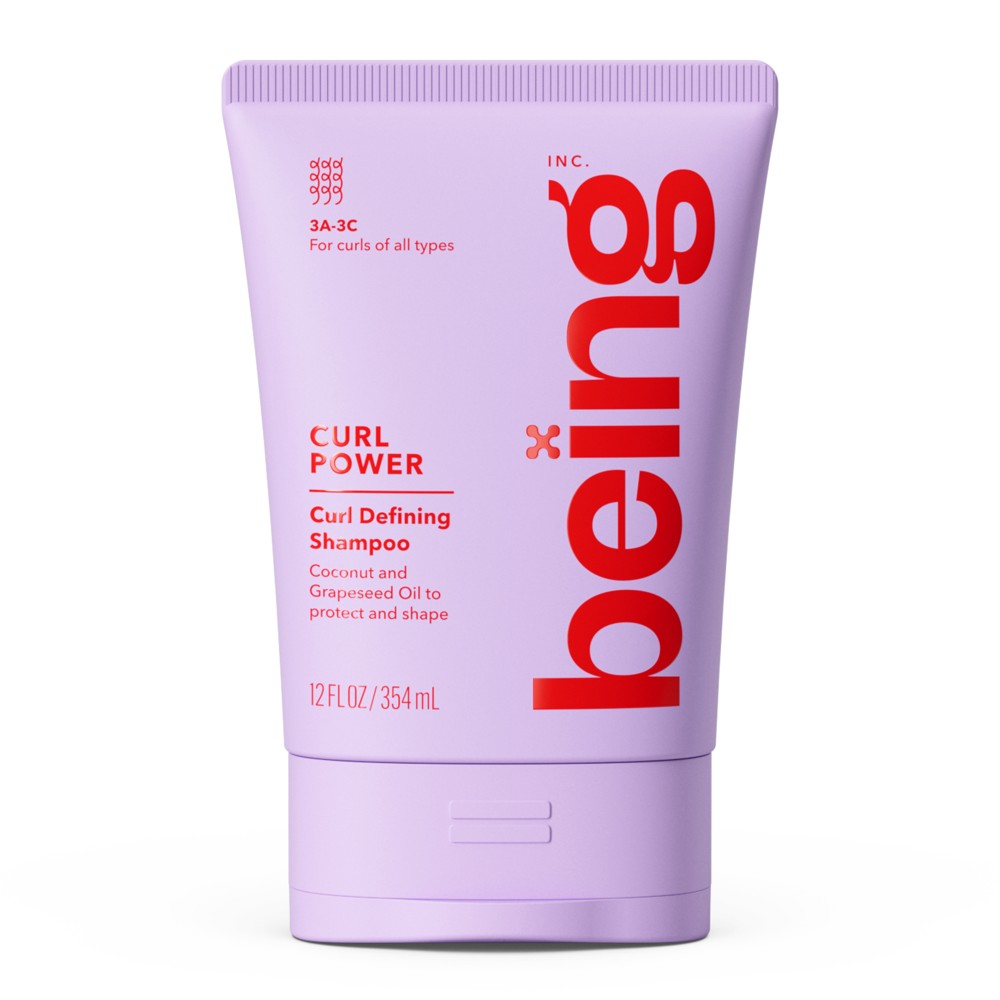
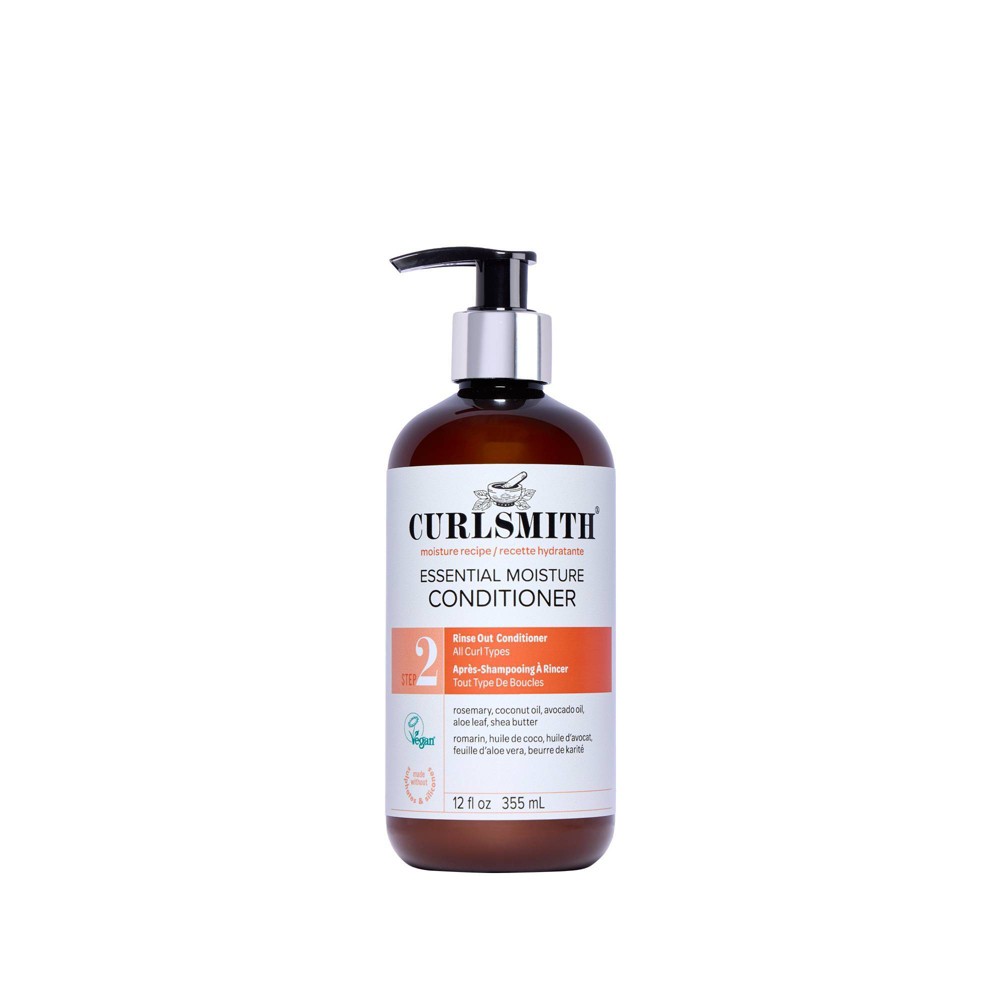
being Curl Power Shampoo - 12 fl oz: Basic Cleansing, Curl Enhancing, Cream Formula
Analysis updated July 2026 · How Scout scores
At a glance
Summary
This shampoo contains beneficial ingredients like coco-glucoside and coconut oil, which provide gentle cleansing and hydration. However, the presence of sodium chloride, phenoxyethanol, and synthetic fragrance raises concerns due to their potential to cause dryness and irritation. The product is moderately processed, which impacts its overall rating.
Key ingredients 23
Coco-GlucosideVery Good
Coco-Glucoside is a gentle, non-ionic surfactant derived from coconut oil and glucose. It is known for its mild cleansing properties and is suitable for sensitive skin. It helps to maintain the natural moisture balance of the hair.
Risks
Generally considered safe with minimal risk of irritation.
Benefits
Provides gentle cleansing and is environmentally friendly.
Sodium Cocoyl IsethionateVery Good
Sodium Cocoyl Isethionate is a mild surfactant derived from coconut oil. It provides gentle cleansing without stripping the hair of its natural oils. It is suitable for sensitive skin and helps to maintain moisture balance.
Risks
Generally considered safe with minimal risk of irritation.
Benefits
Offers gentle cleansing and is biodegradable.
Cocos Nucifera (Coconut) OilVery Good
Coconut oil is known for its moisturizing and conditioning properties. It penetrates the hair shaft to provide deep hydration and reduce protein loss. It is beneficial for dry and damaged hair.
Risks
May cause buildup if not rinsed thoroughly.
Benefits
Deeply conditions and strengthens the hair.
GlycerinGood
Glycerin is a humectant that attracts moisture to the hair and scalp. It helps to keep the hair hydrated and reduces frizz. It is widely used in hair care products for its moisturizing properties.
Risks
Overuse can lead to a sticky residue on the hair.
Benefits
Helps to retain moisture and improve hair softness.
Vitis Vinifera (Grape) Seed OilGood
Grape seed oil is rich in antioxidants and fatty acids. It helps to moisturize and protect the hair from environmental damage. It is lightweight and does not weigh down the hair.
Risks
Generally considered safe with minimal risk of irritation.
Benefits
Provides moisture and enhances hair shine.
PanthenolGood
Panthenol, also known as provitamin B5, is a moisturizing agent that helps to improve hair elasticity and shine. It penetrates the hair shaft to provide deep hydration and reduce split ends. It is widely used in hair care products for its conditioning benefits.
Risks
Generally considered safe with minimal risk of irritation.
Benefits
Improves hair moisture, elasticity, and shine.
Aqua (Water)Neutral
Water is a universal solvent and is used as a base in many cosmetic formulations. It helps to dissolve other ingredients and provides a medium for them to function. It is generally considered safe and non-reactive.
Risks
There are no significant risks associated with water in cosmetic formulations.
Benefits
Water helps to hydrate the hair and scalp by providing moisture.
Cocamidopropyl BetaineNeutral
Cocamidopropyl Betaine is a mild surfactant derived from coconut oil. It is used to create foam and cleanse the hair without stripping natural oils. It is generally well-tolerated but can cause irritation in some individuals.
Risks
May cause skin irritation or allergic reactions in sensitive individuals.
Benefits
Provides gentle cleansing and helps to maintain the natural moisture balance of the hair.
Sodium C14-16 Olefin SulfonateNeutral
Sodium C14-16 Olefin Sulfonate is a surfactant used for its cleansing properties. It effectively removes dirt and oil from the hair. However, it can be drying if used in high concentrations.
Risks
Potential to cause dryness or irritation to the scalp.
Benefits
Effective in removing excess oils and impurities from the hair.
Sodium ChlorideNeutral
Standard formulation ingredient — neither beneficial nor harmful at typical use.
Risks
Can cause dryness and irritation, especially in sensitive scalps.
Benefits
Contributes to the viscosity and texture of the shampoo.
Glycol DistearateNeutral
Glycol Distearate is used as an opacifying agent and to give the shampoo a pearlescent appearance. It also helps to improve the texture of the product. It is generally considered safe for use in cosmetics.
Benefits
Enhances the visual appeal and texture of the shampoo.
Disodium Laureth SulfosuccinateNeutral
Disodium Laureth Sulfosuccinate is a mild surfactant used for its cleansing properties. It is less irritating than traditional sulfates and is suitable for sensitive skin. It helps to remove dirt and oil effectively.
Risks
May cause mild irritation in very sensitive individuals.
Benefits
Provides effective cleansing with reduced irritation potential.
Polyquaternium-10Neutral
Polyquaternium-10 is a conditioning agent that helps to improve hair texture and manageability. It forms a protective film on the hair, reducing static and frizz. It is widely used in hair care products for its conditioning benefits.
Risks
May cause buildup on the hair if not rinsed thoroughly.
Benefits
Improves hair smoothness and reduces static.
Tapioca StarchNeutral
Tapioca Starch is used as a thickening agent and to absorb excess oil from the hair. It helps to improve the texture of the shampoo and provides a matte finish. It is derived from the cassava plant and is considered safe for use.
Benefits
Helps to absorb oil and improve product texture.
Guar Hydroxypropyltrimonium ChlorideNeutral
Guar Hydroxypropyltrimonium Chloride is a conditioning agent derived from guar gum. It helps to improve hair manageability and reduce static. It is commonly used in hair care products for its conditioning properties.
Risks
May cause buildup on the hair if not rinsed thoroughly.
Benefits
Enhances hair smoothness and reduces frizz.
Polyquaternium-6Neutral
Polyquaternium-6 is a conditioning agent that helps to improve hair texture and manageability. It forms a protective film on the hair, reducing static and frizz. It is widely used in hair care products for its conditioning benefits.
Risks
May cause buildup on the hair if not rinsed thoroughly.
Benefits
Improves hair smoothness and reduces static.
Citric AcidNeutral
Citric Acid is used to adjust the pH of cosmetic products. It helps to maintain the stability and efficacy of the product. It is generally considered safe for use in cosmetics.
Benefits
Helps to maintain product stability and pH balance.
Acrylates CopolymerBad
Processed additive flagged under Scout's ingredient doctrine.
Risks
May cause buildup on the hair with frequent use.
Benefits
Provides styling hold and enhances hair texture.
Disodium EDTABad
Processed additive flagged under Scout's ingredient doctrine.
Benefits
Improves product stability and performance.
PhenoxyethanolBad
Phenoxyethanol is a preservative used to prevent microbial growth in cosmetic products. While effective, it can cause irritation and allergic reactions in some individuals. It is considered a potential skin irritant.
Risks
May cause skin irritation or allergic reactions in sensitive individuals.
Benefits
Helps to preserve the product and extend its shelf life.
Propylene GlycolBad
Processed additive flagged under Scout's ingredient doctrine.
Risks
May cause skin irritation or allergic reactions in sensitive individuals.
Benefits
Helps to retain moisture and improve hair softness.
Sodium BenzoateBad
Synthetic preservative that can form benzene in the presence of vitamin C.
Benefits
Helps to preserve the product and extend its shelf life.
Parfum (Fragrance)Very Bad
Synthetic fragrances are used to impart scent to cosmetic products. They can contain a mixture of chemicals that may cause irritation or allergic reactions. Fragrances are often not fully disclosed, leading to potential unknown risks.
Risks
May cause skin irritation or allergic reactions in sensitive individuals.
Benefits
Provides a pleasant scent to the product.
Get the full breakdown in the Scout appTake Scout shopping
Scan any product to see lab results, healthy alternatives, and your personalized analysis.
Download on theApp Store GET IT ONGoogle PlayAmazon pricing & content
CERTAIN CONTENT THAT APPEARS ON THIS SITE COMES FROM AMAZON. THIS CONTENT IS PROVIDED “AS IS” AND IS SUBJECT TO CHANGE OR REMOVAL AT ANY TIME.