
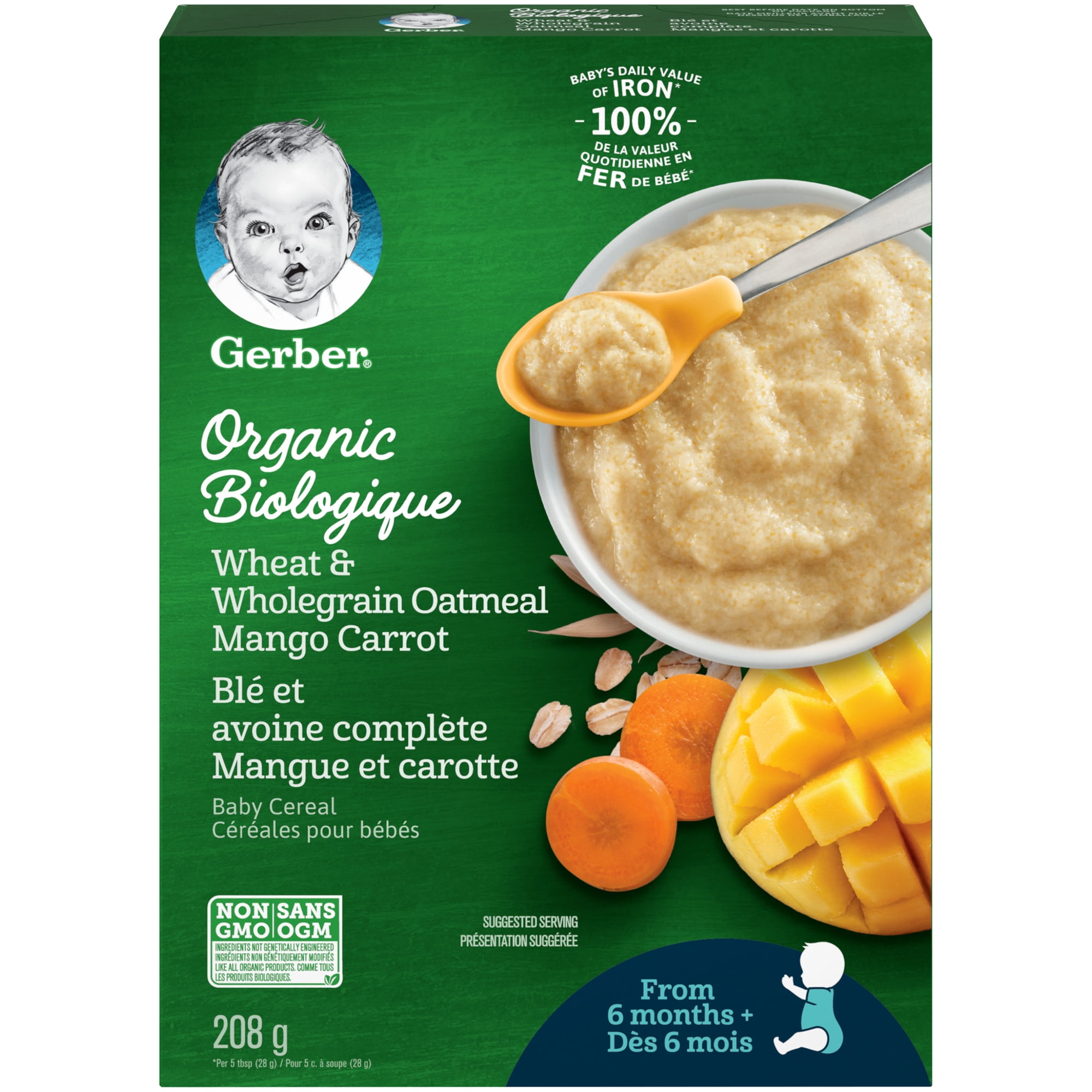

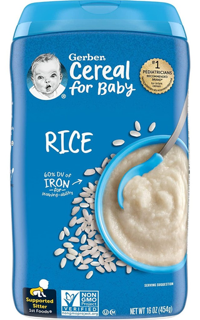

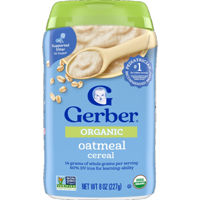
Gerber Organic Wheat & Wholegrain Oat Mango Carrot, Baby Cereal 208 G
GerberAnalysis updated August 2026 · How Scout scores
At a glance
Summary
This baby cereal features a clean ingredient list with organic whole grains and fruits, providing essential nutrients and natural sweetness. The product is processed, which limits its score, but the absence of harmful additives and the use of organic ingredients contribute positively to its rating. The inclusion of sunflower lecithin as an emulsifier is a minor concern, but overall, the product maintains a high standard of ingredient quality.
Key ingredients 9
Organic whole grain oatVery Good
Organic whole grain oats are rich in fiber and beneficial for heart health. They are minimally processed and retain most of their nutrients. Being organic, they are free from synthetic chemicals.
Benefits
High in fiber, supports heart health, and provides sustained energy.
Organic carrotVery Good
Organic carrots are a great source of beta-carotene, fiber, and antioxidants. They are minimally processed and retain most of their nutritional value. Being organic, they are grown without synthetic pesticides.
Benefits
Supports eye health and provides antioxidants.
Organic mango puréeGood
Organic mango purée provides natural sweetness and is rich in vitamins A and C. It is a whole food ingredient with minimal processing. The organic certification ensures it is free from synthetic pesticides.
Benefits
Rich in vitamins and antioxidants, supports immune health.
Organic banana puréeGood
Organic banana purée adds natural sweetness and is a good source of potassium. It is a whole food ingredient with minimal processing. The organic certification ensures it is free from synthetic chemicals.
Benefits
Provides potassium and natural sweetness.
Organic wheat flourNeutral
Standard formulation ingredient — neither beneficial nor harmful at typical use.
Risks
Potential gluten sensitivity or allergy concerns for some individuals.
Benefits
Provides energy and essential nutrients, and being organic, it reduces exposure to harmful chemicals.
Organic rice flourNeutral
Organic rice flour is a gluten-free carbohydrate source. It is a processed ingredient but retains some nutritional value. Being organic, it is free from synthetic pesticides.
Benefits
Provides a gluten-free carbohydrate source.
AmylaseNeutral
Amylase is an enzyme used to break down starches into sugars. It is a processing aid and does not contribute nutritional value. It is generally recognized as safe for consumption.
Benefits
Facilitates digestion of carbohydrates.
AsparaginaseNeutral
Asparaginase is an enzyme used to reduce acrylamide formation during processing. It is a processing aid and does not contribute nutritional value. It is generally recognized as safe for consumption.
Benefits
Reduces acrylamide formation, potentially lowering health risks associated with acrylamide.
Organic sunflower lecithinBad
Organic sunflower lecithin is used as an emulsifier to improve texture. While it is organic, it is a processed ingredient and may not provide significant nutritional benefits. It is generally considered safe but is still an additive.
Risks
May cause digestive issues in sensitive individuals.
Benefits
Improves texture and consistency of the product.
Processing
Processed Foods
Get the full breakdown in the Scout appTake Scout shopping
Scan any product to see lab results, healthy alternatives, and your personalized analysis.
Download on theApp Store GET IT ONGoogle Play