



At a glance
Summary
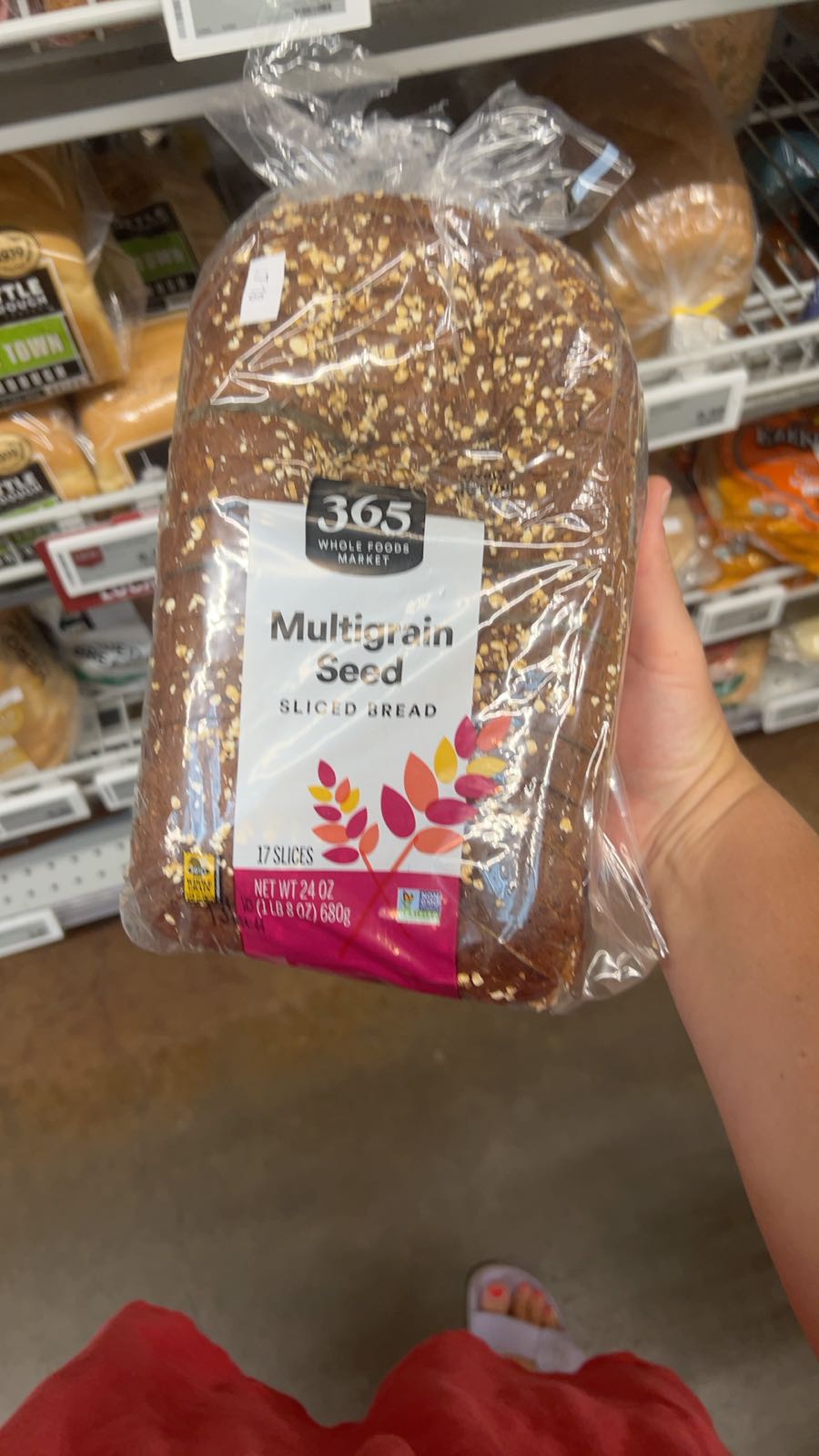
This multigrain bread features a variety of organic sprouted grains and seeds, which enhance nutrient availability and provide fiber and healthy fats. The use of organic ingredients ensures the absence of synthetic pesticides and fertilizers, contributing to its healthfulness. Despite being processed, the clean ingredient list and absence of harmful additives support a high score within its category.
Key ingredients 13
Organic sprouted grainsVery Good
Sprouted grains are easier to digest and have increased nutrient availability. The sprouting process enhances the bioavailability of vitamins and minerals. Organic certification ensures no synthetic pesticides or fertilizers are used.
Benefits
Rich in fiber and essential nutrients, supporting digestive health and providing sustained energy.
FlaxseedsVery Good
Flaxseeds are high in omega-3 fatty acids, fiber, and lignans. They support heart health and have anti-inflammatory properties. Their nutrient density makes them a valuable addition to a balanced diet.
Risks
May cause digestive discomfort if consumed in large quantities.
Benefits
Rich in omega-3s and fiber, promoting heart health and aiding digestion.
QuinoaVery Good
Quinoa is a complete protein containing all essential amino acids. It is high in fiber and various vitamins and minerals. Its nutrient density and protein content make it a valuable addition to a balanced diet.
Benefits
Provides complete protein and essential nutrients, supporting muscle health and overall nutrition.
Sunflower seedsGood
Sunflower seeds are a good source of healthy fats, protein, and vitamin E. They provide a crunchy texture and nutty flavor to baked goods. Their nutrient profile supports heart health and provides antioxidants.
Risks
May cause allergic reactions in sensitive individuals.
Benefits
Rich in healthy fats and antioxidants, supporting heart health and reducing inflammation.
Sesame seedsGood
Sesame seeds are rich in healthy fats, protein, and minerals like calcium and magnesium. They add a nutty flavor and texture to foods. Their nutrient content supports bone health and provides antioxidants.
Risks
Common allergen that can cause reactions in sensitive individuals.
Benefits
Provides healthy fats and minerals, supporting bone health and offering antioxidant benefits.
Rolled oatsGood
Rolled oats are a whole grain rich in fiber and essential nutrients. They provide a chewy texture and help stabilize blood sugar levels. Their nutrient profile supports heart health and provides sustained energy.
Benefits
High in fiber, supporting heart health and providing long-lasting energy.
Pumpkin seedsGood
Pumpkin seeds are a good source of healthy fats, protein, and minerals like zinc and magnesium. They add a crunchy texture and nutty flavor to foods. Their nutrient content supports immune function and heart health.
Risks
May cause allergic reactions in sensitive individuals.
Benefits
Rich in healthy fats and minerals, supporting immune function and heart health.
Organic cultured wheat flourGood
Cultured wheat flour is used as a natural preservative in baked goods. It is organic, ensuring no synthetic pesticides or fertilizers are used. It helps extend shelf life without artificial additives.
Risks
May pose allergy risks for individuals with gluten sensitivity or celiac disease.
Benefits
Acts as a natural preservative, extending shelf life without artificial additives.
Ascorbic acidGood
Vitamin C — beneficial even when serving as a preservative.
Benefits
Improves dough strength and volume, enhancing bread quality.
Organic wheat flourNeutral
Standard formulation ingredient — neither beneficial nor harmful at typical use.
Risks
May pose allergy risks for individuals with gluten sensitivity or celiac disease.
Benefits
Provides energy and some protein, contributing to a balanced diet.
WaterNeutral
Water is a fundamental ingredient in bread making, providing moisture and aiding in the mixing process. It is essential for activating yeast and developing gluten. It does not contribute any nutritional value.
Benefits
Essential for hydration and the baking process, but no direct nutritional benefits.
SugarsNeutral
Sugars like organic cane sugar and molasses provide sweetness and contribute to the browning of baked goods. They are used in moderation in this product. Organic certification ensures no synthetic pesticides or fertilizers are used.
Risks
Excessive consumption of sugars can lead to health issues like obesity and diabetes.
Benefits
Provides energy and enhances flavor, but should be consumed in moderation.
EnzymesNeutral
Enzymes are used in baking to improve dough handling and texture. They are naturally occurring proteins that aid in the breakdown of starches and proteins. Their use is common in bread making to enhance quality.
Benefits
Improves dough texture and quality, enhancing the baking process.
Processing
Processed Foods
Get the full breakdown in the Scout appTake Scout shopping
Scan any product to see lab results, healthy alternatives, and your personalized analysis.
Download on theApp Store GET IT ONGoogle Play