


:format(jpg)/d2lnr5mha7bycj.cloudfront.net/product-image/file/large_4dd0cb05-9b18-4332-bf4f-0bf8c3a2b6c4.jpg)
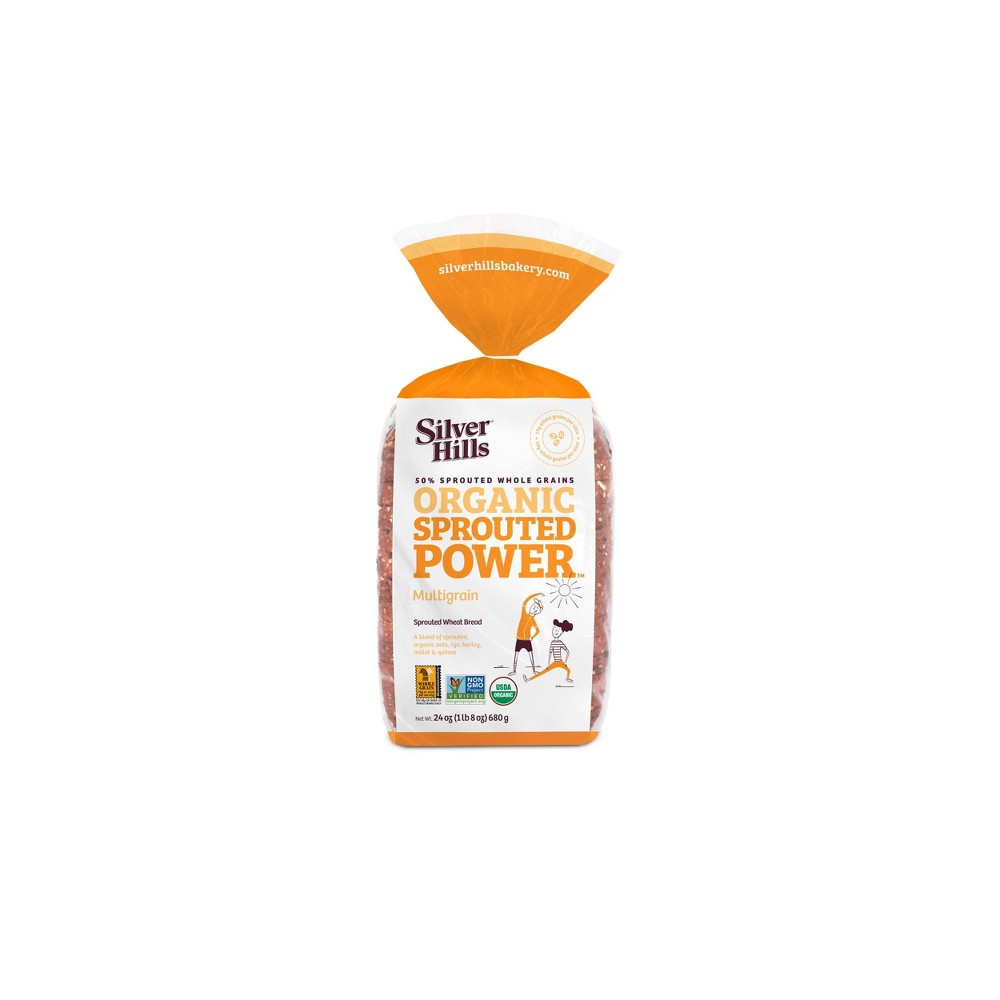
Silver Hills Bakery Organic Multigrain Sprouted Wheat Bread - 24oz
Analysis updated August 2026 · How Scout scores
At a glance
Summary
This bread features a clean ingredient list with organic sprouted grains, whole grains, and seeds, which enhance nutrient absorption and provide fiber and healthy fats. The use of organic ingredients and the absence of harmful additives contribute positively to its health profile. However, as a processed food, its score is capped, reflecting its level of processing despite the high-quality ingredients.
Key ingredients 10
Organic sprouted grainsVery Good
Sprouted grains are easier to digest and may increase nutrient absorption. The sprouting process reduces antinutrients and enhances the bioavailability of vitamins and minerals. Being organic, they are free from synthetic pesticides and fertilizers.
Benefits
Rich in fiber and essential nutrients, supporting digestive health and providing sustained energy.
Organic whole grains and seedsVery Good
Whole grains and seeds are nutrient-dense, offering fiber, healthy fats, and protein. They contribute to heart health and improved digestion. Being organic, they are grown without synthetic chemicals.
Benefits
Rich in omega-3 fatty acids, fiber, and antioxidants, supporting heart health and reducing inflammation.
Sea saltGood
Sea salt is a natural source of sodium and trace minerals. It is less processed than table salt and retains beneficial minerals. It enhances flavor without the need for artificial additives.
Risks
Excessive sodium intake can lead to high blood pressure.
Benefits
Provides essential minerals and enhances the flavor of foods.
Organic cultured wheat flourGood
Cultured wheat flour is fermented, which can improve digestibility and nutrient absorption. Being organic, it is free from synthetic pesticides and fertilizers. It adds a mild tangy flavor to the bread.
Risks
May cause allergic reactions in individuals with wheat or gluten sensitivities.
Benefits
Enhances flavor and may improve gut health through fermentation.
Organic molassesGood
Molasses is a natural sweetener rich in minerals like iron and calcium. It provides a deep flavor and color to baked goods. Being organic, it is free from synthetic chemicals.
Risks
Excessive consumption may contribute to weight gain.
Benefits
Rich in minerals and antioxidants, supporting bone health and providing energy.
Ascorbic acidGood
Vitamin C — beneficial even when serving as a preservative.
Benefits
Acts as an antioxidant and improves dough quality.
Organic wheat flourNeutral
Standard formulation ingredient — neither beneficial nor harmful at typical use.
Risks
May cause allergic reactions in individuals with wheat or gluten sensitivities.
Benefits
Provides energy and essential nutrients like B vitamins and minerals.
Organic cane sugar and/or organic oat syrupNeutral
Organic cane sugar and oat syrup are natural sweeteners used in moderation. They provide sweetness without the use of artificial sweeteners. Being organic, they are free from synthetic pesticides.
Risks
Excessive consumption may contribute to weight gain and blood sugar spikes.
Benefits
Provides a natural source of sweetness with minimal processing.
YeastNeutral
Yeast is a natural leavening agent used in bread making. It helps the dough rise and contributes to the bread's texture. It is a traditional ingredient with no significant processing concerns.
Benefits
Contributes to the fermentation process, enhancing flavor and texture.
EnzymesNeutral
Enzymes are used to improve dough handling and bread texture. They are naturally occurring proteins that aid in the fermentation process. They are generally recognized as safe with no significant health concerns.
Benefits
Enhances dough quality and bread texture.
Processing
Processed Foods
Get the full breakdown in the Scout appTake Scout shopping
Scan any product to see lab results, healthy alternatives, and your personalized analysis.
Download on theApp Store GET IT ONGoogle PlayAmazon pricing & content
Amazon price as of . Product prices and availability are accurate as of the date/time indicated and are subject to change. Any price and availability information displayed on Amazon.com at the time of purchase will apply to the purchase of this product.
CERTAIN CONTENT THAT APPEARS ON THIS SITE COMES FROM AMAZON. THIS CONTENT IS PROVIDED “AS IS” AND IS SUBJECT TO CHANGE OR REMOVAL AT ANY TIME.