


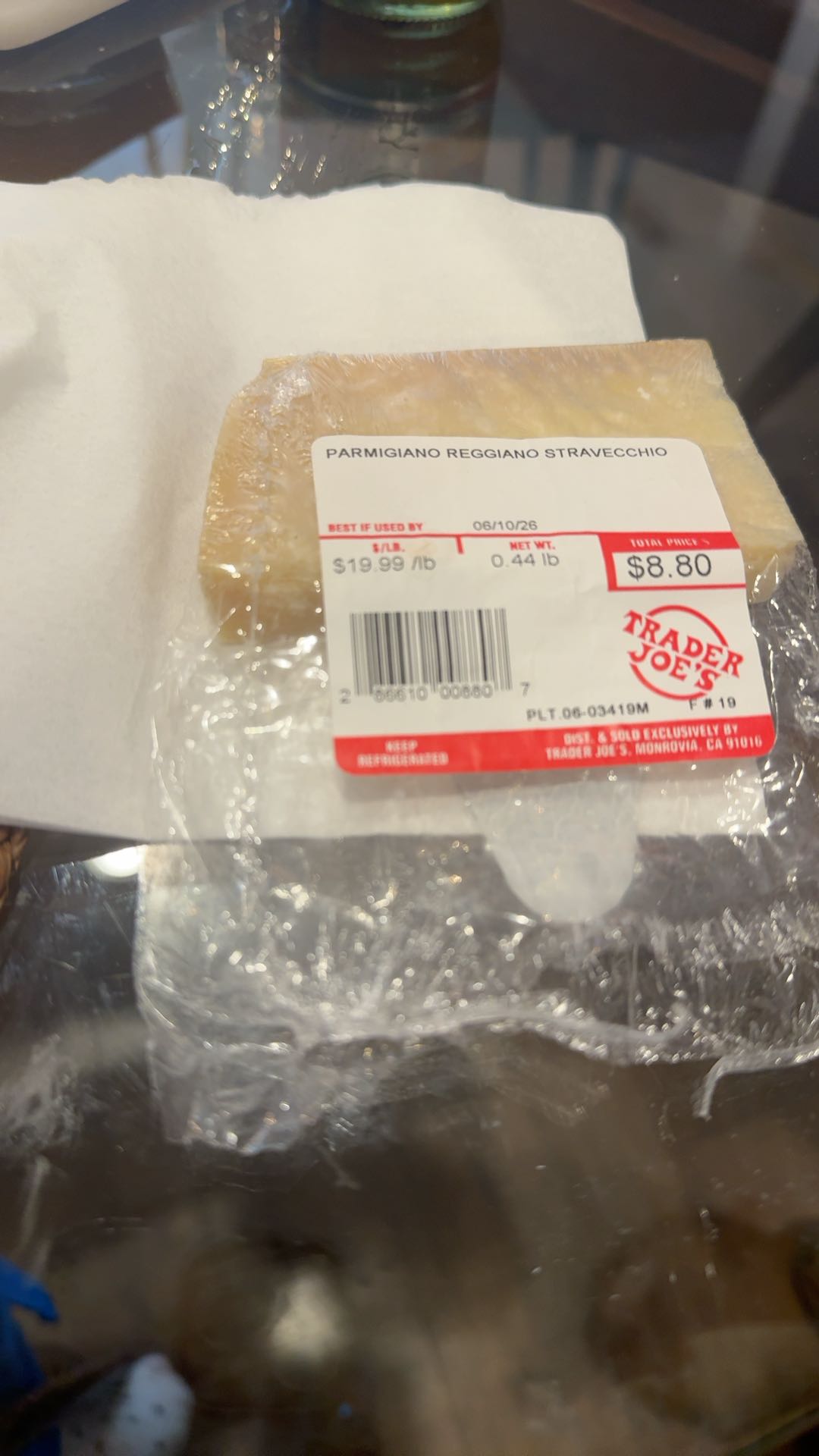
At a glance
Summary
This cheese product is processed but maintains a relatively clean ingredient list, featuring pasteurized partly skimmed milk and bacterial cultures, which are beneficial for protein content and gut health. The inclusion of modified milk ingredients and annatto for coloring are typical in processed cheeses but do not introduce significant health concerns. The processing level limits the score, but the absence of harmful additives allows it to reach the upper range for its category.
Key ingredients 7
Pasteurized partly skimmed milkGood
A primary source of protein and calcium, essential for bone health. Pasteurization ensures safety by eliminating harmful bacteria. Skimming reduces fat content while retaining nutritional benefits.
Benefits
Provides high-quality protein and calcium, supporting muscle and bone health.
Bacterial cultureGood
Essential for fermentation in cheese production, contributing to flavor and texture. Bacterial cultures can also promote gut health by introducing beneficial bacteria. They are a natural part of traditional cheesemaking.
Benefits
Supports gut health and contributes to the development of cheese flavor and texture.
Modified milk ingredientsNeutral
Modified milk ingredients are used to enhance texture and consistency. They are derived from milk but undergo processing to alter their properties. While they maintain some nutritional value, they are more processed than whole milk.
Risks
May contain additives or undergo processing that reduces natural nutrient content.
Benefits
Can improve texture and consistency of dairy products.
SaltNeutral
Commonly used for flavor enhancement and preservation. Regular table salt lacks the trace minerals found in unrefined salts. Excessive consumption can lead to health issues such as hypertension.
Risks
High sodium intake is associated with increased risk of hypertension and cardiovascular diseases.
Benefits
Enhances flavor and acts as a preservative in food products.
Calcium chlorideNeutral
Used in cheese making to improve curd formation and firmness. It is a mineral salt that helps maintain calcium levels in milk. While it aids in cheese production, it does not provide significant nutritional benefits.
Benefits
Improves curd formation and texture in cheese production.
Microbial enzymeNeutral
Used as a coagulant in cheese making, replacing animal rennet. Microbial enzymes are derived from microorganisms and are suitable for vegetarian products. They are essential for the cheese-making process but do not add nutritional value.
Benefits
Facilitates cheese production and is suitable for vegetarian diets.
AnnattoNeutral
A natural colorant derived from the seeds of the achiote tree, used to impart a yellow or orange hue to foods. It is considered safe and is a natural alternative to synthetic dyes. Annatto does not contribute significant nutritional benefits.
Risks
Rare cases of allergic reactions have been reported.
Benefits
Provides natural coloring without the use of synthetic dyes.
Processing
Processed Foods
Get the full breakdown in the Scout appTake Scout shopping
Scan any product to see lab results, healthy alternatives, and your personalized analysis.
Download on theApp Store GET IT ONGoogle Play