

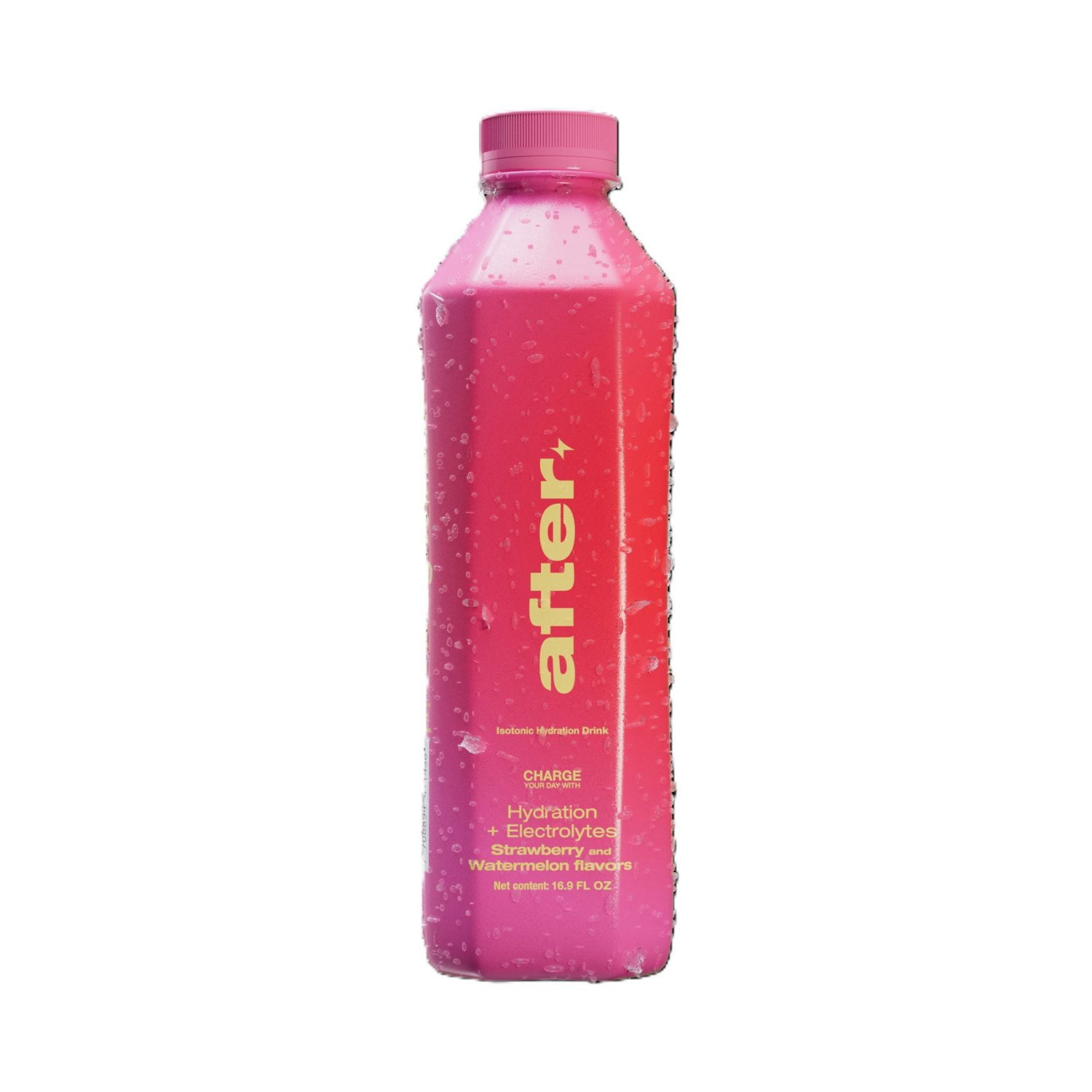
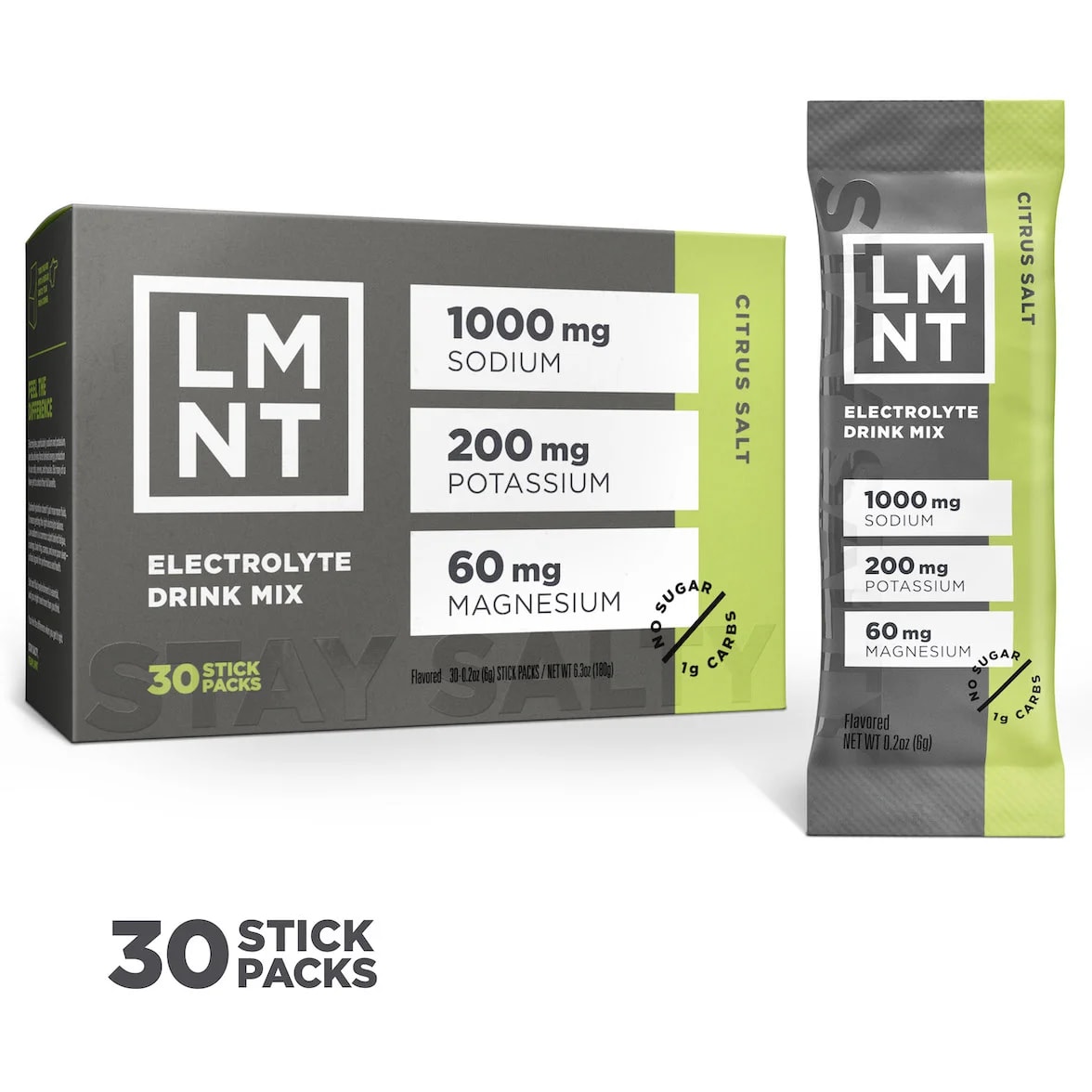


Hydration Multiplier Lemon Lime
Summary
This hydration drink contains a high amount of sugars, which can contribute to excessive calorie intake and potential metabolic issues if consumed regularly. The presence of 'natural flavors' adds a moderate concern due to the lack of transparency about their specific composition. However, the product does not contain any major harmful ingredients like artificial dyes or seed oils, which helps maintain a moderate score despite its processed nature.
At a glance
Key ingredients 9
AlluloseNeutral
Allulose is a low-calorie sweetener that does not significantly impact blood sugar levels. It is often used as a sugar substitute due to its similar taste and texture to sugar. However, it is not metabolized by the body, which can lead to digestive discomfort in some individuals.
Risks
Excessive consumption may cause gastrointestinal discomfort such as bloating or diarrhea.
Benefits
Provides sweetness with minimal caloric impact, making it suitable for low-calorie diets.
Citric AcidNeutral
Citric acid is a natural preservative and flavor enhancer commonly used in beverages. It is typically derived from citrus fruits or produced through fermentation. While generally safe, excessive consumption can lead to dental erosion.
Risks
High intake may contribute to dental erosion due to its acidic nature.
Benefits
Enhances flavor and acts as a preservative, extending shelf life.
L-GlutamineNeutral
L-Glutamine is an amino acid that supports muscle recovery and immune function. It is naturally found in the body and in various foods. While beneficial in certain contexts, its supplementation is not necessary for most individuals with a balanced diet.
Benefits
May aid in muscle recovery and support immune health.
L-AlanineNeutral
L-Alanine is a non-essential amino acid involved in energy production and glucose metabolism. It is naturally present in protein-rich foods. Supplementation is generally unnecessary for those with adequate dietary protein intake.
Benefits
Supports energy production and glucose metabolism.
Potassium CitrateNeutral
Potassium citrate is used to regulate acidity and provide potassium, an essential mineral. It is often used in supplements to prevent kidney stones and manage urinary pH. While beneficial for specific conditions, excessive intake can lead to hyperkalemia.
Risks
Excessive intake may cause hyperkalemia, leading to heart and muscle issues.
Benefits
Helps maintain electrolyte balance and prevent kidney stones.
SaltNeutral
Salt is used to enhance flavor and maintain electrolyte balance in hydration products. While essential for bodily functions, excessive consumption can lead to hypertension and cardiovascular issues. Moderation is key to its health impact.
Risks
High intake can contribute to hypertension and cardiovascular diseases.
Benefits
Essential for maintaining fluid balance and nerve function.
Natural FlavorsBad
Natural flavors are used to enhance taste but lack transparency about their specific composition. They can contain a variety of compounds, some of which may be synthetic. This lack of clarity can be concerning for those with allergies or sensitivities.
Risks
Potential allergen risk due to undisclosed ingredients.
Benefits
Enhances flavor without adding calories.
Sodium CitrateNeutral
Sodium citrate is used as an acidity regulator and emulsifier in food products. It helps maintain pH balance and improve texture. Generally recognized as safe, it poses minimal health risks when consumed in moderation.
Benefits
Helps regulate acidity and improve product texture.
Silicon DioxideNeutral
Silicon dioxide is an anti-caking agent used to prevent clumping in powdered products. It is naturally occurring and considered safe for consumption. There are no significant health concerns associated with its use in food.
Benefits
Prevents clumping and maintains product consistency.
Processing
Processed Foods
Get the full breakdown in the Scout app
Scan any product to see lab results, healthy alternatives, and your personalized analysis.
Download on theApp Store