
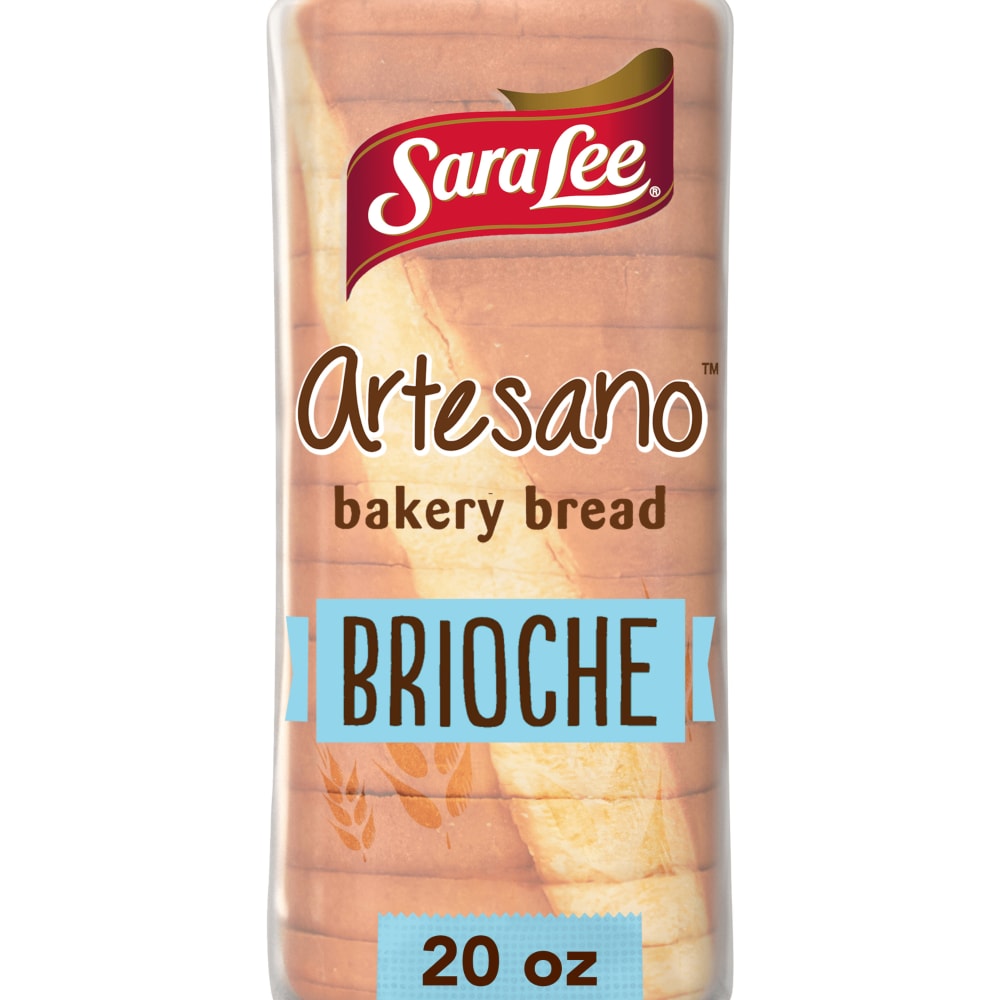



Brioche Style
Summary
This brioche-style product is moderately processed, featuring enriched wheat flour and added sugar, which are refined ingredients that can lead to rapid blood sugar spikes and lack nutritional benefits. While the ingredient list is relatively short and free from artificial additives, the presence of refined flour and sugar, along with its processed nature, limits its healthfulness compared to more wholesome bread options.
At a glance
Key ingredients 10
Enriched Wheat FlourBad
Enriched wheat flour is refined and lacks the fiber and nutrients found in whole grains. It is often fortified with synthetic vitamins to replace lost nutrients. The refining process can lead to rapid spikes in blood sugar levels.
Risks
May contribute to blood sugar spikes and lacks the nutritional benefits of whole grains.
Benefits
Provides a source of carbohydrates for energy but lacks significant nutritional benefits.
Malted Barley FlourNeutral
Malted barley flour is used to enhance flavor and improve the texture of baked goods. It contains enzymes that can help break down starches into sugars. This ingredient is minimally processed and generally considered safe.
Benefits
Can improve the flavor and texture of baked goods.
Reduced IronNeutral
Reduced iron is added to fortify foods and prevent iron deficiency. It is a common fortification in enriched flours. While beneficial for preventing anemia, excessive intake can lead to health issues.
Risks
Excessive iron intake can cause gastrointestinal issues and oxidative stress.
Benefits
Helps prevent iron deficiency anemia.
NiacinNeutral
Niacin, or vitamin B3, is added to enriched flours to prevent deficiencies. It plays a role in energy metabolism and maintaining healthy skin. As a synthetic additive, it is generally safe in moderate amounts.
Risks
High doses can cause flushing and liver damage.
Benefits
Supports energy metabolism and skin health.
Thiamin MononitrateNeutral
Thiamin mononitrate is a synthetic form of vitamin B1 used to fortify foods. It is essential for energy production and nerve function. While beneficial, it is a synthetic additive.
Benefits
Prevents thiamin deficiency and supports energy production.
RiboflavinNeutral
Riboflavin, or vitamin B2, is added to enriched flours to support energy production and cellular function. It is a water-soluble vitamin that is generally safe. As a synthetic additive, it is used to prevent deficiencies.
Benefits
Supports energy production and cellular function.
Folic AcidNeutral
Folic acid is a synthetic form of vitamin B9 used to fortify foods and prevent neural tube defects. It is crucial for DNA synthesis and cell division. While beneficial, it is a synthetic additive.
Risks
Excessive intake can mask vitamin B12 deficiency.
Benefits
Prevents neural tube defects and supports DNA synthesis.
WaterNeutral
Water is a basic ingredient used to hydrate and mix other components. It is essential for the dough formation process. As a natural ingredient, it poses no health risks.
Benefits
Essential for hydration and dough formation.
SugarBad
Sugar is a refined carbohydrate that can contribute to weight gain and dental issues. It is often added to enhance flavor but lacks nutritional benefits. Excessive consumption can lead to health problems such as obesity and diabetes.
Risks
May contribute to obesity, diabetes, and dental cavities.
Benefits
Provides quick energy but lacks significant nutritional benefits.
YeastNeutral
Yeast is a natural leavening agent used to ferment dough and produce carbon dioxide. It helps bread rise and improves texture. As a natural ingredient, it is generally safe and beneficial for baking.
Benefits
Improves bread texture and flavor through fermentation.
Processing
Processed Foods
Get the full breakdown in the Scout app
Scan any product to see lab results, healthy alternatives, and your personalized analysis.
Download on theApp Store