
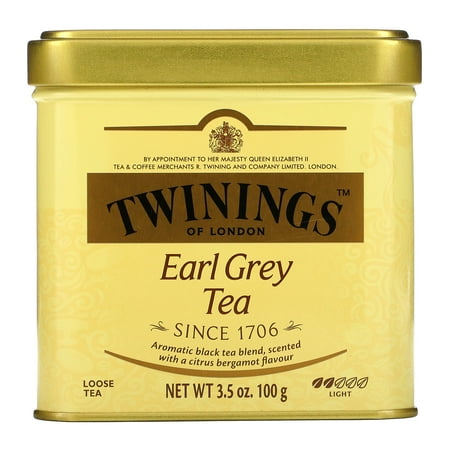

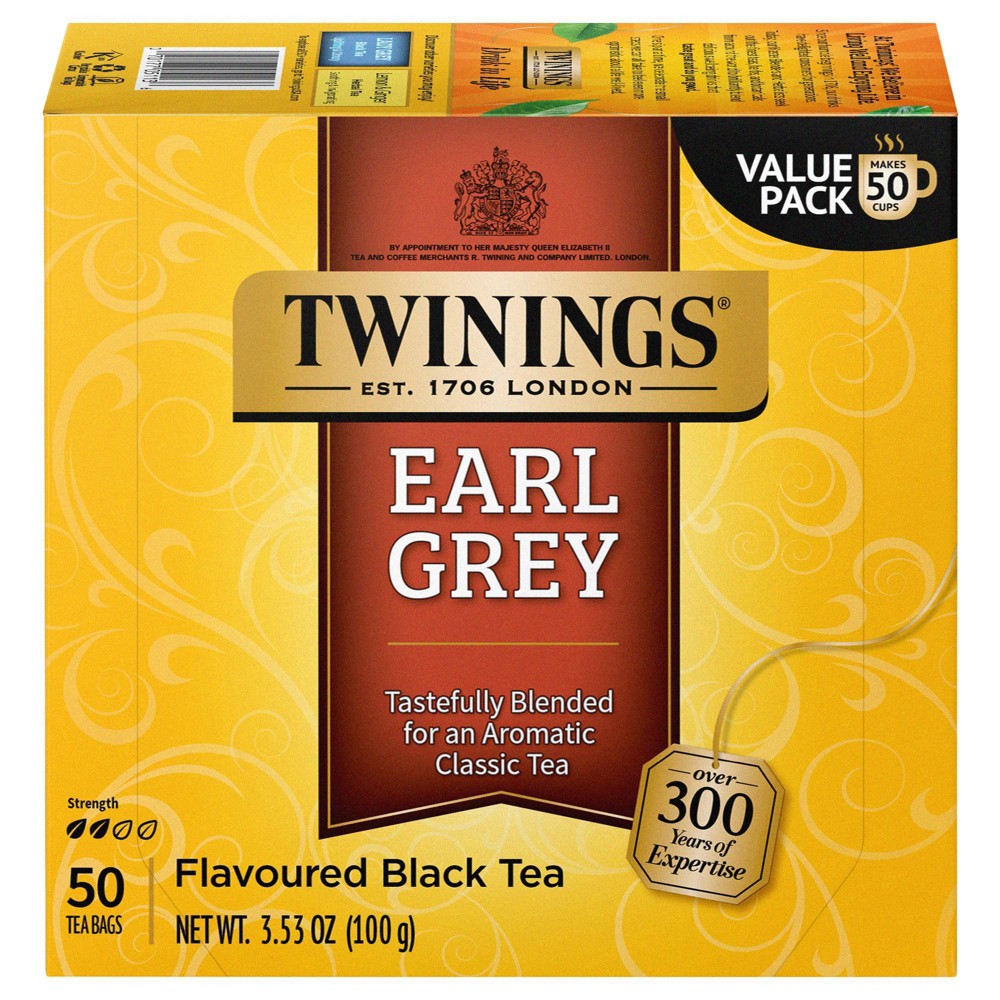
Earl Grey Loose Tea 3.5 oz (100 g) Twinings
Analysis updated September 2026 · How Scout scores
At a glance
Summary
This Earl Grey tea contains black tea, which is rich in antioxidants and beneficial for health. However, the presence of bergamot flavouring, which may include artificial additives, contributes to its classification as an ultra-processed product. The processing level limits its score, despite the health benefits of black tea.
Key ingredients 2
Black TeaGood
Black tea is rich in antioxidants, particularly polyphenols, which can help reduce inflammation and support heart health. The processing of black tea involves oxidation, which enhances its flavor and antioxidant profile. Compared to other teas, black tea provides a moderate amount of caffeine, which can improve alertness.
Risks
Excessive consumption of black tea may lead to caffeine-related side effects such as insomnia or increased heart rate.
Benefits
Black tea contains flavonoids that may improve heart health and reduce the risk of chronic diseases.
Bergamot FlavouringBad
Bergamot flavouring is often a synthetic or natural extract used to impart a citrus aroma and taste to Earl Grey tea. The use of flavouring, especially when unspecified, can indicate the presence of artificial additives. While it enhances the tea's distinctive flavor, it may not provide the same health benefits as natural bergamot oil.
Risks
Potential risks include allergic reactions or sensitivities to artificial additives if the flavouring is not naturally derived.
Processing
Ultra-Processed Foods
Get the full breakdown in the Scout appTake Scout shopping
Scan any product to see lab results, healthy alternatives, and your personalized analysis.
Download on theApp Store GET IT ONGoogle Play