
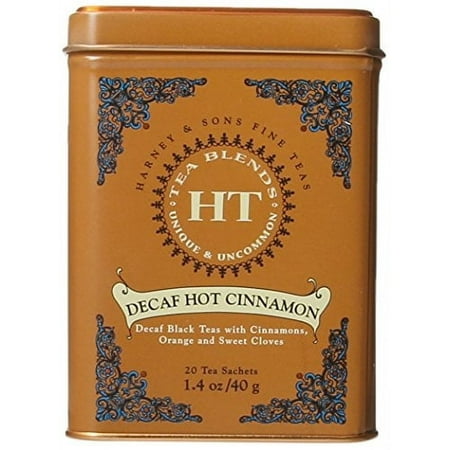
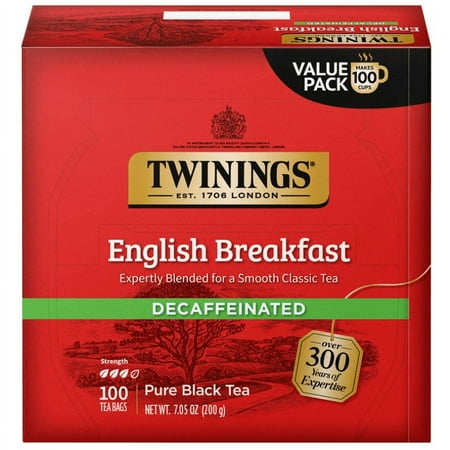
Harney & Sons Decaf Hot Cinnamon 1.4 ounces 20 count tin Flavored Decaffeinated Black Tea
Analysis updated June 2026 · How Scout scores
At a glance
Summary
This decaffeinated black tea contains beneficial ingredients like cinnamon and cloves, which offer antioxidant and anti-inflammatory properties. However, the presence of both natural and artificial flavors introduces concerns due to potential undisclosed additives and synthetic compounds. The processing level further limits the score, as it is not exceptionally clean despite the inclusion of some natural ingredients.
Key ingredients 6
Decaffeinated Black TeaGood
Decaffeinated black tea retains many of the antioxidants found in regular black tea, which can support heart health and reduce inflammation. The decaffeination process may slightly reduce antioxidant levels, but it still provides beneficial polyphenols. It is a good option for those sensitive to caffeine.
Benefits
Rich in antioxidants that can help reduce the risk of chronic diseases.
Orange PeelGood
Orange peel is a natural source of vitamin C and flavonoids, which have antioxidant properties. It can enhance the flavor profile of the tea while providing additional health benefits. The use of natural orange peel is a positive aspect in terms of ingredient quality.
Benefits
Provides vitamin C and antioxidants that support immune function and overall health.
CinnamonGood
Cinnamon is known for its anti-inflammatory and antioxidant properties, which can contribute to improved metabolic health. It adds a natural sweetness and warmth to the tea without the need for added sugars. The use of cinnamon is beneficial for both flavor and health.
Benefits
Contains antioxidants and may help regulate blood sugar levels.
ClovesGood
Cloves are rich in antioxidants and have antimicrobial properties, which can support oral health and reduce inflammation. They add a distinctive flavor to the tea, enhancing its aromatic profile. Cloves are a beneficial addition due to their health-promoting properties.
Benefits
Rich in antioxidants and may support oral health.
Natural FlavorsBad
Natural flavors are often used to enhance taste but can be a catch-all term for a variety of compounds, leading to a lack of transparency. They may contain additives that are not disclosed, which can be concerning for those with allergies or sensitivities. The use of natural flavors is generally viewed negatively due to these uncertainties.
Risks
Potential for undisclosed additives that may cause allergic reactions or sensitivities.
Artificial FlavorsBad
Artificial flavors are synthetic compounds used to mimic natural flavors, often lacking nutritional value and potentially containing harmful chemicals. Their use is discouraged due to potential health risks and the preference for natural alternatives. Artificial flavors are generally considered harmful due to their synthetic nature.
Risks
May contain harmful chemicals and contribute to negative health effects over time.
Processing
Processed Foods
Get the full breakdown in the Scout appTake Scout shopping
Scan any product to see lab results, healthy alternatives, and your personalized analysis.
Download on theApp Store GET IT ONGoogle PlayAmazon pricing & content
Amazon price as of . Product prices and availability are accurate as of the date/time indicated and are subject to change. Any price and availability information displayed on Amazon.com at the time of purchase will apply to the purchase of this product.
CERTAIN CONTENT THAT APPEARS ON THIS SITE COMES FROM AMAZON. THIS CONTENT IS PROVIDED “AS IS” AND IS SUBJECT TO CHANGE OR REMOVAL AT ANY TIME.