
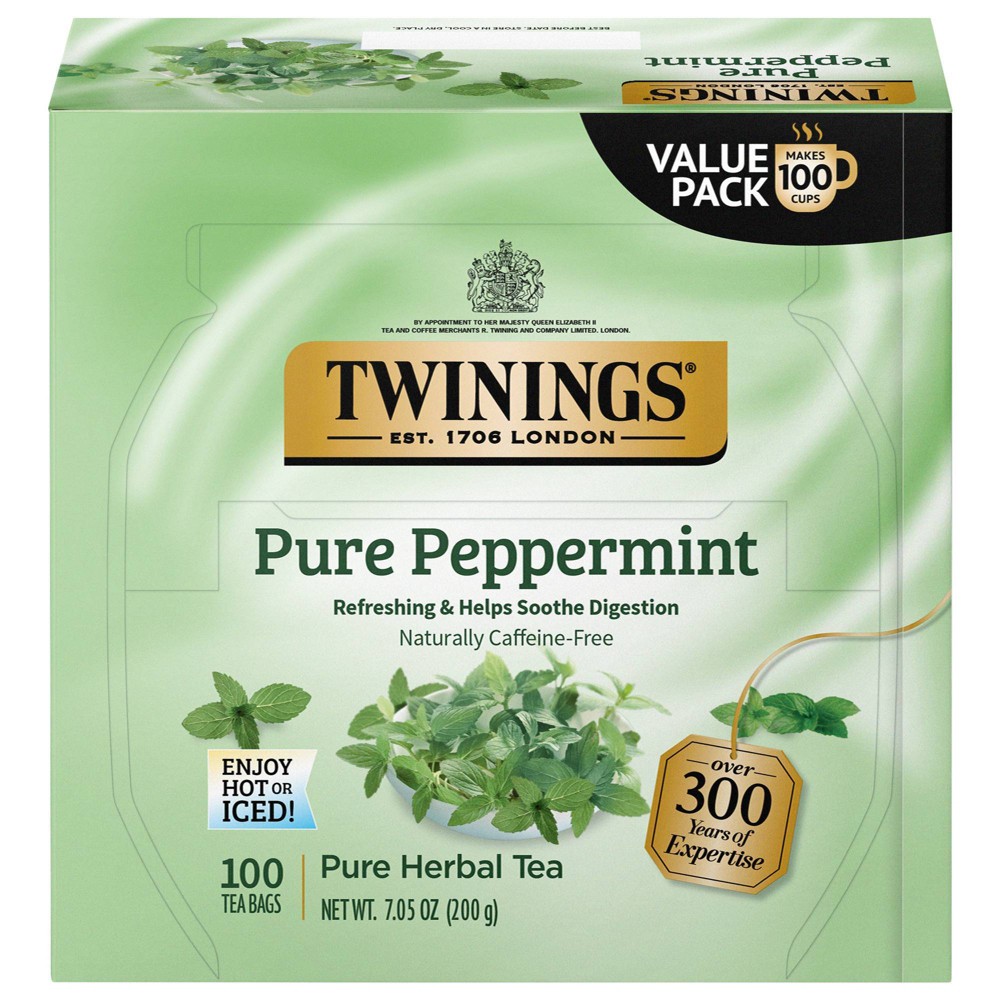


Twinings Pure Peppermint Tea - 100ct: Decaffeinated
Analysis updated September 2026 · How Scout scores
At a glance
Summary
This tea contains beneficial natural ingredients like camomile, passionflower, and valerian root, which are known for their calming and soothing properties. However, the presence of 'natural flavouring' detracts from its health value due to its vague nature and potential processing. Despite being ultra-processed, the tea maintains a relatively clean ingredient list without artificial additives or harmful preservatives, which helps mitigate the processing level's impact on the score.
Key ingredients 7
CamomileGood
Camomile is known for its calming effects and potential to aid sleep and digestion. It is a natural ingredient often used in herbal teas for its soothing properties. The lack of processing and natural origin contribute to its positive health impact.
Benefits
Camomile may help reduce anxiety and improve sleep quality due to its natural calming compounds.
PassionflowerGood
Passionflower is traditionally used for its calming effects and potential to reduce anxiety. It is a natural herb that is minimally processed, retaining its beneficial properties. Its inclusion in tea can enhance relaxation and stress relief.
Benefits
Passionflower may help alleviate anxiety and improve sleep quality, making it beneficial for stress management.
Valerian RootGood
Valerian root is known for its sedative properties and is often used to promote sleep and relaxation. It is a natural herb that is minimally processed, preserving its beneficial compounds. Its inclusion in tea can support better sleep quality.
Benefits
Valerian root may help improve sleep quality and reduce anxiety, making it beneficial for relaxation.
LavenderNeutral
Lavender is often used for its aromatic properties and potential calming effects. While it is a natural ingredient, its health benefits in tea are less pronounced compared to other herbs. It is primarily included for flavor and aroma.
Benefits
Lavender may provide a pleasant aroma and mild calming effects, enhancing the sensory experience of the tea.
Fig FlavouringNeutral
Fig flavouring is used to impart a sweet, fruity taste to the tea. It is typically a natural flavoring, but its health benefits are minimal. The processing of flavorings can vary, but it generally does not contribute significant nutritional value.
Benefits
Fig flavouring adds a pleasant sweetness and fruitiness to the tea without adding calories.
Pear FlavouringNeutral
Pear flavouring is used to add a sweet, fruity note to the tea. It is typically a natural flavoring, but it does not provide significant health benefits. The processing of flavorings can vary, but it generally does not contribute nutritional value.
Benefits
Pear flavouring enhances the taste profile of the tea with a sweet, fruity flavor.
Natural FlavouringBad
Natural flavouring is a broad term that can include a variety of processed flavor compounds. While derived from natural sources, the lack of specificity and potential for processing detracts from its health value. It is often criticized for being a catch-all term that lacks transparency.
Risks
The use of natural flavouring can obscure the actual ingredients and processing methods, leading to potential consumer confusion.
Processing
Ultra-Processed Foods
Get the full breakdown in the Scout appTake Scout shopping
Scan any product to see lab results, healthy alternatives, and your personalized analysis.
Download on theApp Store GET IT ONGoogle Play