



At a glance
Summary
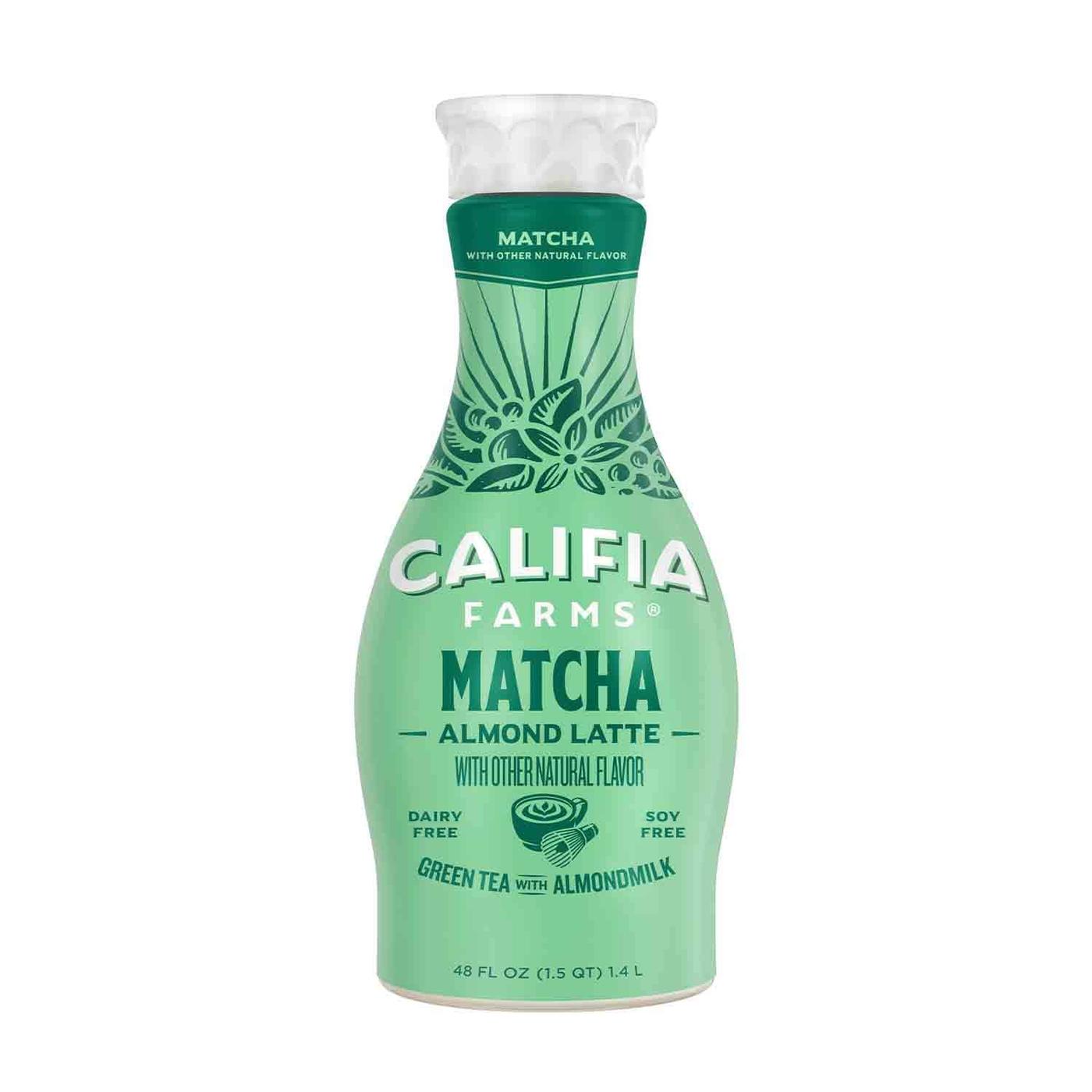
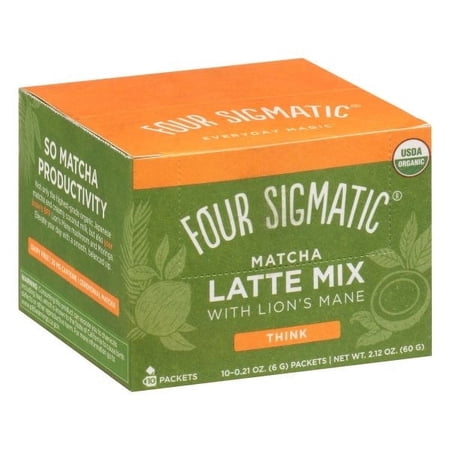
This matcha latte contains beneficial ingredients like matcha powder and coconut milk, which provide antioxidants and healthy fats. However, the high level of added sugars from ingredients like simple syrup and maple syrup significantly impacts its healthiness. The product is moderately processed, which further limits its score despite the presence of some nutritious components.
Key ingredients 8
matcha powderGood
Matcha powder is rich in antioxidants and provides a natural energy boost, making it a beneficial ingredient for health-conscious consumers.
hot waterGood
Hot water is essential for preparing the beverage and helps extract flavors and nutrients from the ingredients without adding any harmful substances.
coconut milkGood
Coconut milk adds creaminess and flavor, and contains healthy fats, making it a nutritious addition to the drink.
See more about coconut milk →maple syrupGood
Maple syrup provides natural sweetness along with antioxidants and minerals, making it a better alternative to refined sugars.
See more about maple syrup →honeyGood
Honey is a natural sweetener with antimicrobial properties and antioxidants, offering a healthier option compared to processed sugars.
See more about honey →plant milk of choiceNeutral
Plant milk provides a dairy-free alternative that can be suitable for various dietary preferences, offering hydration and some nutrients without strong positive or negative effects.
steviaNeutral
Stevia is a calorie-free sweetener derived from plants, used to reduce sugar intake without significantly affecting flavor.
See more about stevia →simple syrupBad
Simple syrup is a highly processed sugar solution that can contribute to excessive sugar consumption and related health issues.
Processing
Processed Foods
Get the full breakdown in the Scout appTake Scout shopping
Scan any product to see lab results, healthy alternatives, and your personalized analysis.
Download on theApp Store GET IT ONGoogle PlayAmazon pricing & content
Amazon price as of . Product prices and availability are accurate as of the date/time indicated and are subject to change. Any price and availability information displayed on Amazon.com at the time of purchase will apply to the purchase of this product.
CERTAIN CONTENT THAT APPEARS ON THIS SITE COMES FROM AMAZON. THIS CONTENT IS PROVIDED “AS IS” AND IS SUBJECT TO CHANGE OR REMOVAL AT ANY TIME.