
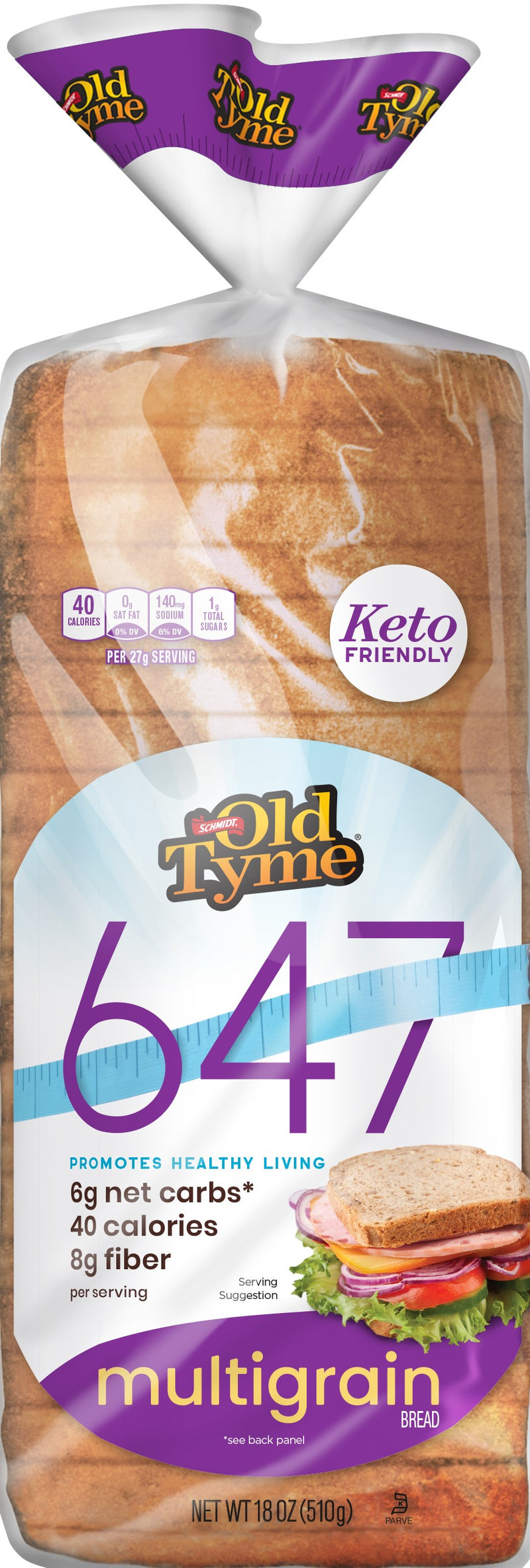

Schmidt Old Tyme 647 Bread Multigrain Qty 1 - 17 Oz. Loaf - Delicious & Healthy
Summary
This bread contains beneficial ingredients like whole wheat flour, oat fiber, and flax seeds, which provide dietary fiber and essential nutrients. However, it is heavily processed with the inclusion of enriched flour, sugar, and seed oils such as soybean and vegetable oil, which are linked to inflammation and are extracted using chemical solvents. The presence of multiple additives further contributes to its high processing level, limiting its overall healthiness despite some positive nutritional aspects.
At a glance
Key ingredients 16
WaterNeutral
Water is a neutral ingredient used as a solvent and to provide moisture. It does not contribute any calories or nutrients. It is essential for the dough formation process.
See more about Water →Modified Wheat StarchNeutral
Modified wheat starch is used to improve texture and stability in baked goods. It is processed to alter its properties for specific functional uses. It does not provide significant nutritional value.
See more about Modified Wheat Starch →Whole Wheat FlourGood
Whole wheat flour is a good source of dietary fiber and essential nutrients. It is less processed than refined flour, retaining more of the grain's natural components. It supports digestive health and provides sustained energy.
Risks
May cause digestive discomfort in individuals with wheat allergies or gluten intolerance.
Benefits
Rich in fiber, vitamins, and minerals, supporting overall health and digestion.
Enriched FlourBad
Enriched flour is refined flour with added vitamins and minerals to replace some lost during processing. It lacks the fiber and nutrients found in whole grains. Overconsumption can contribute to blood sugar spikes.
Risks
May contribute to blood sugar spikes and lacks the fiber of whole grains.
Benefits
Provides some essential vitamins and minerals due to enrichment.
Wheat GlutenNeutral
Wheat gluten is used to improve the elasticity and texture of bread. It is a concentrated source of protein derived from wheat. It is beneficial for bread structure but may cause issues for those with gluten sensitivity.
Risks
Can cause adverse reactions in individuals with gluten intolerance or celiac disease.
Benefits
Enhances bread texture and provides a source of protein.
SugarBad
Sugar is used to enhance flavor and aid in yeast fermentation. It is a refined carbohydrate that can contribute to health issues if consumed in excess. It provides quick energy but lacks nutritional benefits.
Risks
Excessive consumption can lead to weight gain and increased risk of chronic diseases.
Benefits
Provides energy and enhances flavor in baked goods.
YeastGood
Yeast is a natural leavening agent that helps bread rise. It contributes to the development of flavor and texture in baked goods. It is a source of B vitamins and protein.
Benefits
Contributes to bread rising and flavor development; provides B vitamins and protein.
Soybean OilVery Bad
Soybean oil is a seed oil high in omega-6 fatty acids, which can promote inflammation. It is often extracted using chemical solvents, which may leave residues. It is considered unhealthy due to its processing and fatty acid profile.
Risks
High omega-6 content may promote inflammation when consumed in excess.
SaltNeutral
Salt is used to enhance flavor and control yeast activity in bread. It is essential in small amounts but can contribute to high blood pressure if consumed excessively. It plays a crucial role in the baking process.
Risks
Excessive intake can lead to high blood pressure and cardiovascular issues.
Benefits
Enhances flavor and plays a role in dough conditioning.
Powdered CelluloseNeutral
Powdered cellulose is used as a fiber supplement and anti-caking agent. It is derived from plant cell walls and is not digestible by humans. It adds bulk to food without adding calories.
Benefits
Adds dietary fiber, which can aid in digestion.
Oat FiberGood
Oat fiber is a source of dietary fiber that supports digestive health. It is derived from the outer husk of oats and is minimally processed. It helps to increase satiety and regulate blood sugar levels.
Benefits
Supports digestive health and helps regulate blood sugar levels.
Cultured Wheat FlourNeutral
Cultured wheat flour is used as a natural preservative in baked goods. It is made by fermenting wheat flour with specific bacteria. It helps to extend shelf life without synthetic additives.
Benefits
Acts as a natural preservative, extending shelf life.
Flax SeedsGood
Flax seeds are a rich source of omega-3 fatty acids and dietary fiber. They are minimally processed and provide numerous health benefits. They support heart health and have anti-inflammatory properties.
Risks
May cause digestive discomfort if consumed in large quantities.
Benefits
Rich in omega-3 fatty acids and fiber, supporting heart health and digestion.
Guar GumNeutral
Guar gum is used as a thickening and stabilizing agent in food products. It is derived from guar beans and is highly processed. It helps improve texture and consistency in baked goods.
Risks
Excessive consumption may cause digestive issues such as bloating or gas.
Benefits
Improves texture and consistency in food products.
VinegarNeutral
Vinegar is used to enhance flavor and act as a natural preservative. It is produced through the fermentation of ethanol by acetic acid bacteria. It can help improve the shelf life of baked goods.
Benefits
Acts as a natural preservative and enhances flavor.
Vegetable OilVery Bad
Vegetable oil, often a blend of seed oils, is high in omega-6 fatty acids, which can promote inflammation. It is typically extracted using chemical solvents, which may leave residues. It is considered unhealthy due to its processing and fatty acid profile.
Risks
High omega-6 content may promote inflammation when consumed in excess.
Processing
Ultra-Processed Foods
Get the full breakdown in the Scout app
Scan any product to see lab results, healthy alternatives, and your personalized analysis.
Download on theApp Store