

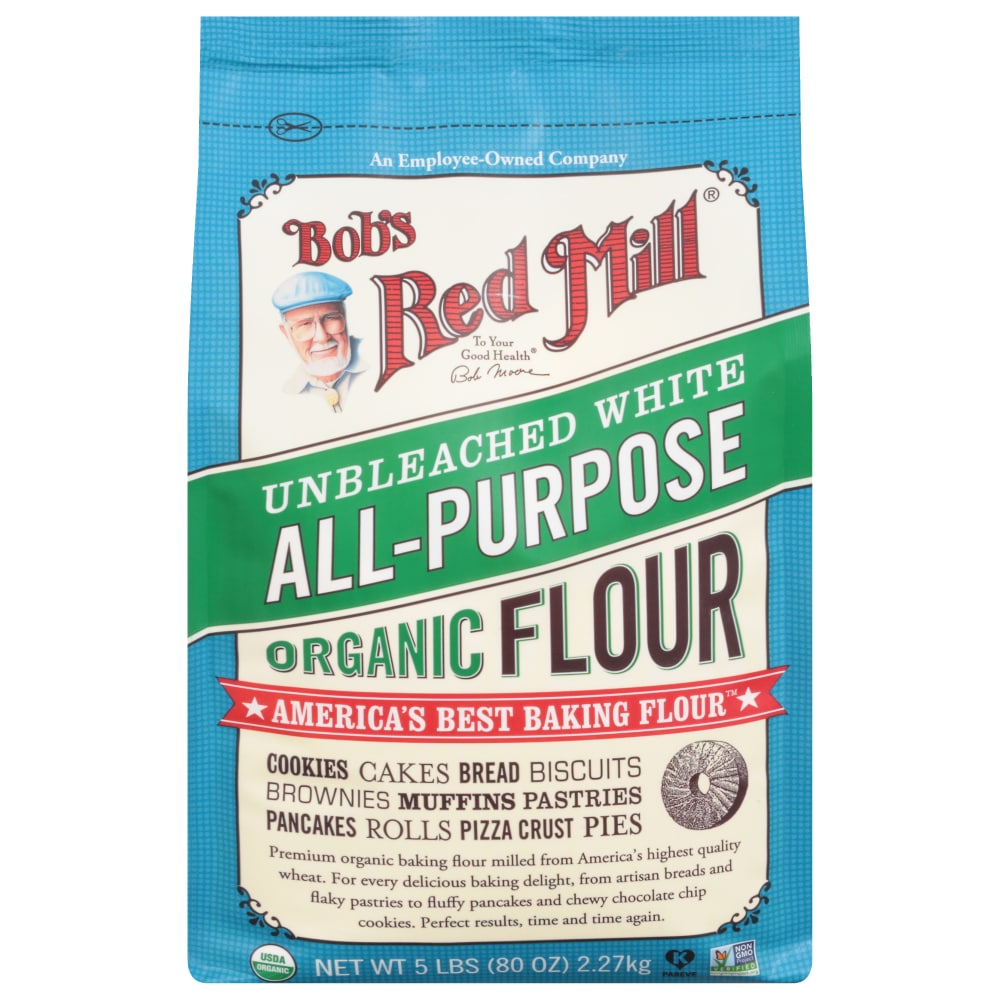
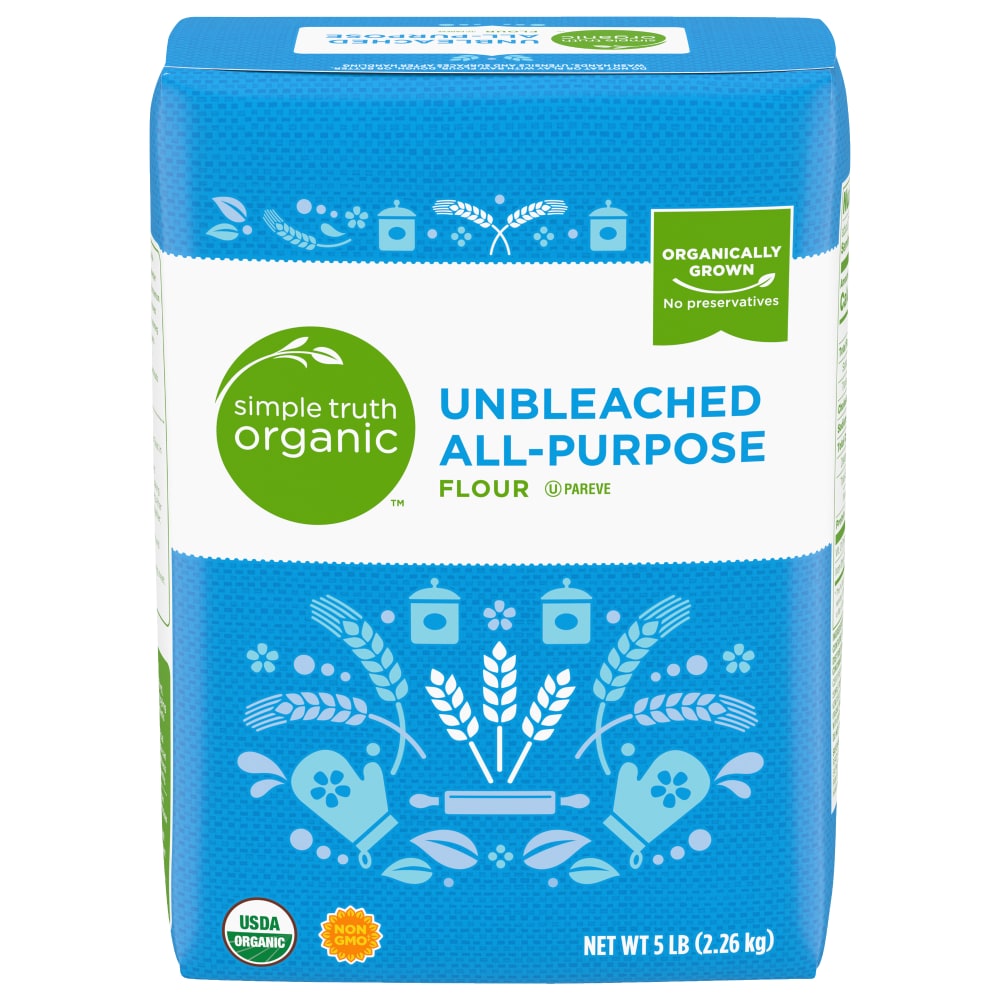
UNBLEACHED CAKE FLOUR

King Arthur Baking Company
63 Fair
$5.49 · 2 lb
View on Amazon
Verified Amazon match

Summary

This unbleached cake flour is a processed food with an enriched flour base, which includes added vitamins and minerals. While it lacks harmful additives like high-fructose corn syrup or artificial dyes, the presence of refined flour and its processed nature limit its health benefits. The product's ingredient list is relatively short, but the processing level prevents it from achieving a higher score.

At a glance

Beneficial ingredients 0
Harmful ingredients 0
Owned by The King Arthur Flour Company, Inc.
Category Bread

Key ingredients 8

Wheat flour
Neutral

Wheat flour is a staple ingredient in baking, providing structure and texture to baked goods. It is a refined flour, meaning it has been processed to remove the bran and germ, which reduces its fiber and nutrient content. While it is a common ingredient, it lacks the nutritional benefits of whole grain flours.

Risks

May cause allergic reactions in individuals with wheat allergies or gluten intolerance.

Benefits

Provides carbohydrates for energy and is essential for the structure of baked goods.

See more about Wheat flour →
Malted barley flour
Neutral

Malted barley flour is used to enhance the flavor and texture of baked goods. It is made by sprouting barley grains, drying them, and grinding them into flour. This process increases the enzyme activity, which can improve the dough's fermentation and rise.

Risks

Contains gluten, which can be problematic for those with celiac disease or gluten sensitivity.

Benefits

Enhances flavor and aids in the fermentation process of dough, improving texture and rise.

See more about Malted barley flour →
Niacin
Neutral

Niacin, also known as vitamin B3, is added to enriched flours to replace nutrients lost during processing. It plays a role in energy metabolism and maintaining healthy skin and nerves. While beneficial, it is typically added in small amounts that do not significantly impact overall nutrition.

Benefits

Supports energy metabolism and overall health as part of the B-vitamin complex.

See more about Niacin →
Reduced iron
Neutral

Reduced iron is added to enriched flours to compensate for iron lost during milling. It is a form of iron that is easily absorbed by the body, helping to prevent iron deficiency anemia. However, the amount added is minimal and primarily serves to meet regulatory requirements.

Risks

Excessive iron intake can lead to toxicity, but this is unlikely from typical consumption of enriched flour.

Benefits

Helps prevent iron deficiency anemia by providing a source of dietary iron.

See more about Reduced iron →
Thiamin mononitrate
Neutral

Thiamin mononitrate is a synthetic form of vitamin B1 added to enriched flours. It is essential for carbohydrate metabolism and nerve function. The enrichment process ensures that this nutrient is present in refined flours, compensating for losses during milling.

Benefits

Supports energy metabolism and nerve function as part of the B-vitamin complex.

Riboflavin
Neutral

Riboflavin, or vitamin B2, is added to enriched flours to replace nutrients lost during processing. It plays a crucial role in energy production and the metabolism of fats, drugs, and steroids. While beneficial, it is typically added in small amounts that do not significantly impact overall nutrition.

Benefits

Supports energy production and overall health as part of the B-vitamin complex.

See more about Riboflavin →
Folic acid
Neutral

Folic acid is a synthetic form of vitamin B9 added to enriched flours to prevent neural tube defects in developing fetuses. It is crucial for DNA synthesis and repair. The enrichment process ensures that this nutrient is present in refined flours, compensating for losses during milling.

Risks

Excessive intake of folic acid can mask vitamin B12 deficiency, but this is unlikely from typical consumption of enriched flour.

Benefits

Essential for DNA synthesis and preventing neural tube defects during pregnancy.

See more about Folic acid →
Wheat starch
Neutral

Wheat starch is used to improve the texture and consistency of baked goods. It is a refined carbohydrate that provides structure without adding significant nutritional value. While it is a common ingredient, it lacks the fiber and nutrients found in whole grains.

Risks

May cause allergic reactions in individuals with wheat allergies or gluten intolerance.

Benefits

Improves texture and consistency in baked goods, providing a desirable mouthfeel.

See more about Wheat starch →

Processing

Group 3 · Processed

Processed Foods

Get the full breakdown in the Scout app

Scan any product to see lab results, healthy alternatives, and your personalized analysis.

Download on theApp Store