
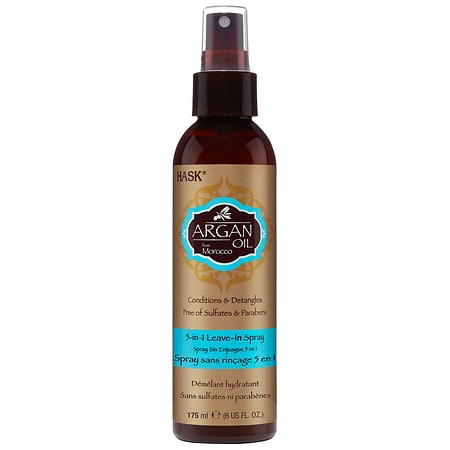
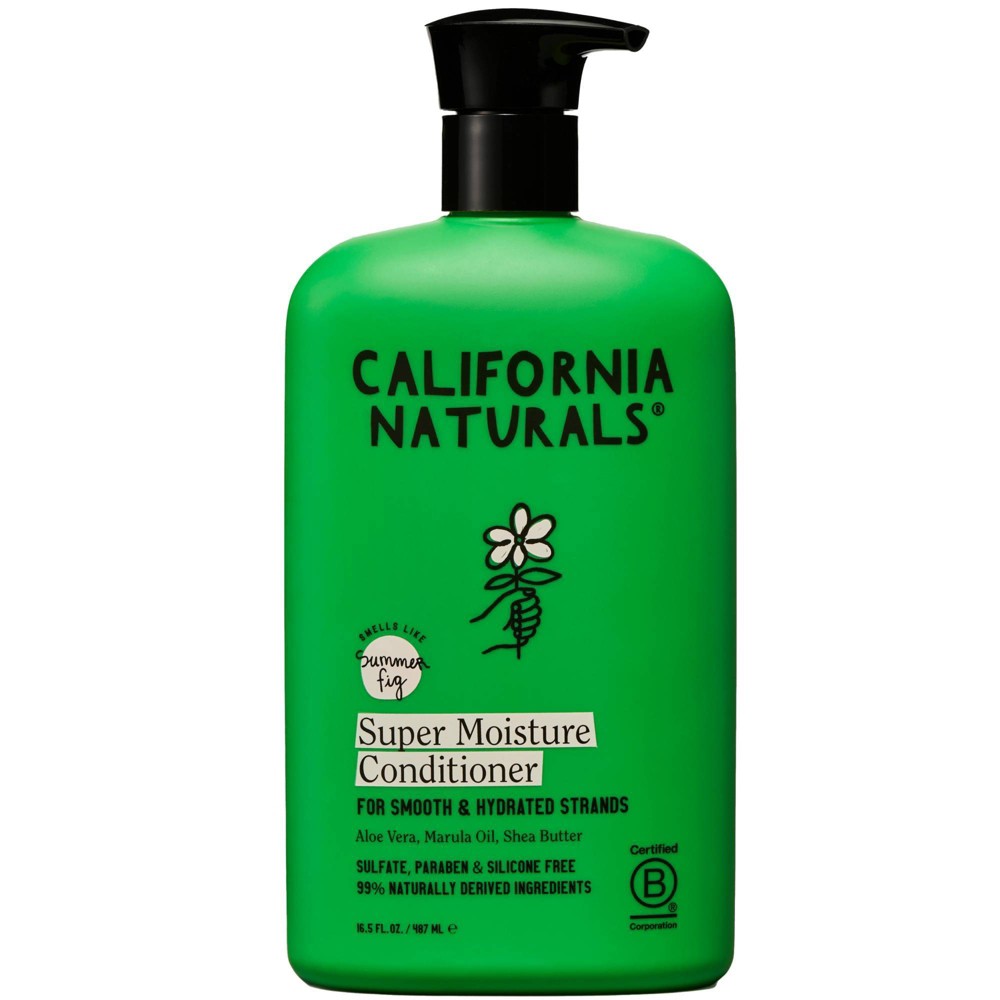
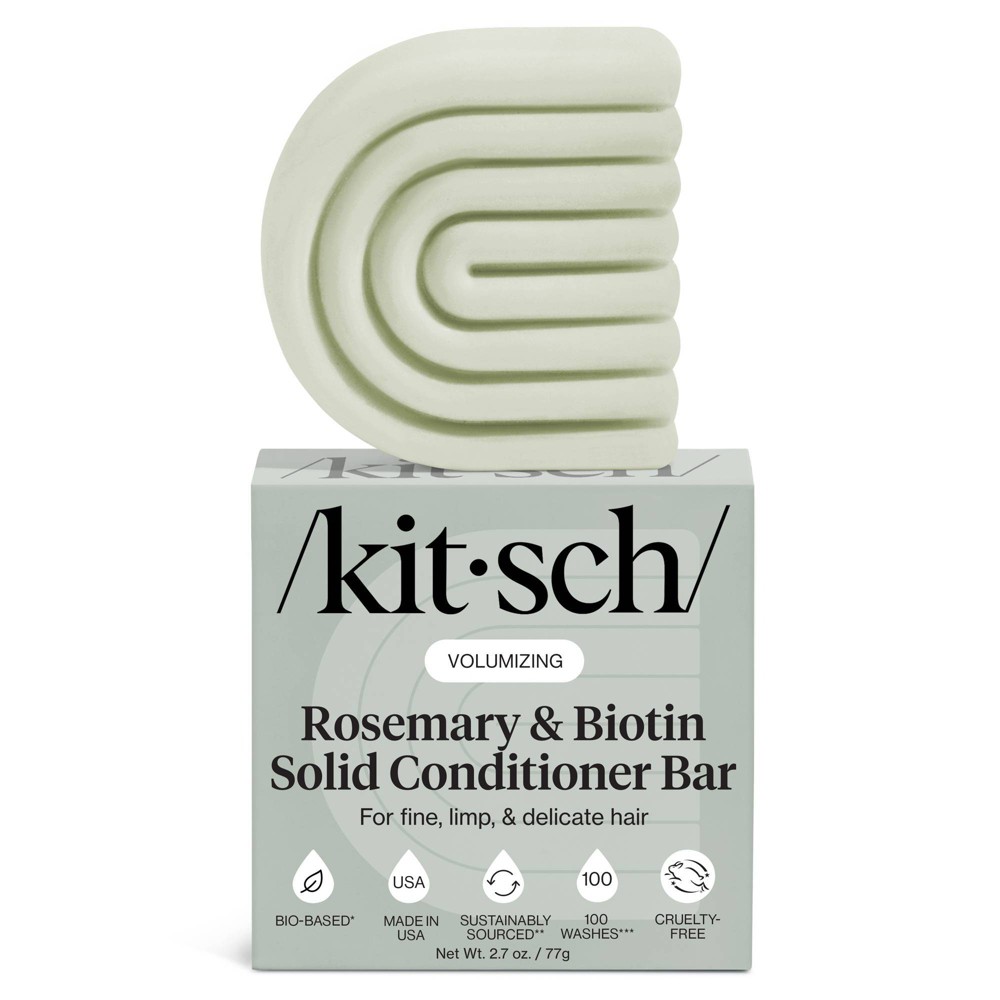
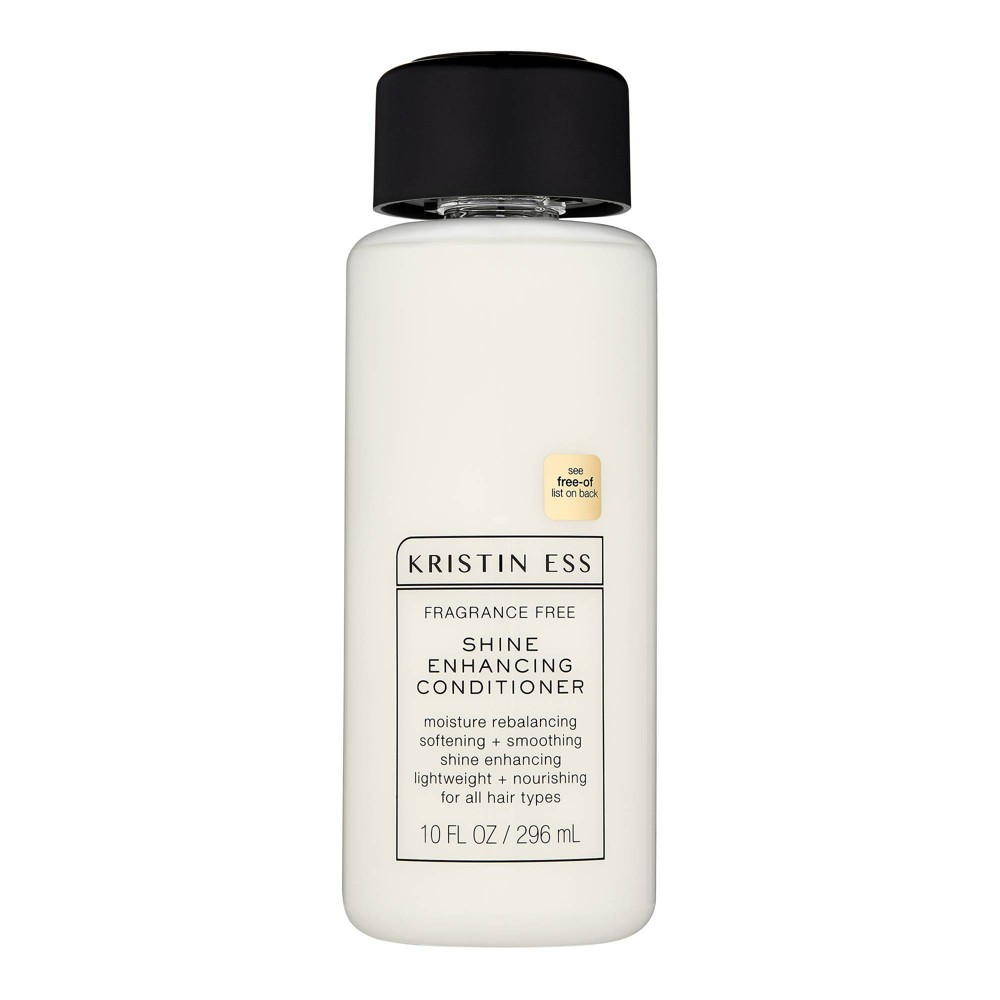
Hask Argan Oil Conditions & Detangles Leave-In Spray - 6 fl oz: Dry Hair, Paraben-Free, Sulfate-Free, Vegan
Analysis updated September 2026 · How Scout scores
At a glance
Summary
This leave-in spray is paraben-free and sulfate-free, which is beneficial for hair health. It contains nourishing ingredients like argan oil and glycerin, which help to moisturize and strengthen hair. However, the presence of synthetic fragrance and limonene, which can cause allergic reactions or irritation, slightly detracts from its overall safety profile.
Key ingredients 15
Argania spinosa (argan) kernel oilVery Good
Argan oil is rich in essential fatty acids and vitamin E, making it an excellent conditioner for hair. It helps to nourish and strengthen hair, reducing breakage and improving shine. It is highly valued for its ability to tame frizz and enhance hair smoothness.
Risks
There are minimal risks associated with argan oil, though it may cause allergic reactions in rare cases.
Benefits
Argan oil deeply conditions the hair, providing essential nutrients that enhance hair health and appearance.
GlycerinGood
Glycerin is a humectant that attracts moisture to the hair, helping to keep it hydrated. It is derived from natural sources and is known for its moisturizing properties. It is widely used in hair care products for its ability to improve hair texture.
Risks
In very dry conditions, glycerin can draw moisture from the hair, potentially leading to dryness.
Benefits
Glycerin helps to maintain moisture levels in the hair, improving softness and manageability.
Citrus aurantium peel oilGood
Citrus aurantium peel oil is a natural essential oil known for its refreshing scent and potential antimicrobial properties. It is used in cosmetics for its fragrance and potential skin benefits. It is generally considered safe when used in appropriate concentrations.
Risks
There is a potential for skin sensitivity or allergic reactions, especially in sunlight.
Benefits
Citrus aurantium peel oil provides a natural fragrance and may offer antimicrobial benefits.
Aqua/Water/EauNeutral
Water is a universal solvent and is used as a base in many cosmetic products. It helps to dissolve other ingredients and provides hydration. It is generally considered safe and non-irritating.
Risks
There are no significant risks associated with water in cosmetic formulations.
Benefits
Water helps to hydrate the hair and acts as a carrier for other beneficial ingredients.
Polysorbate 20Neutral
Polysorbate 20 is an emulsifier that helps to blend oil and water-based ingredients. It is used to stabilize formulations and improve texture. It is generally regarded as safe for use in cosmetics.
Risks
Some individuals may experience mild irritation or allergic reactions.
Benefits
Polysorbate 20 helps to maintain the consistency of the product, ensuring even distribution of ingredients.
Polyquaternium-22Neutral
Polyquaternium-22 is a conditioning polymer that provides a smooth feel to the hair. It helps to improve hair texture and manageability. It is commonly used in hair care products for its conditioning properties.
Risks
There are minimal risks associated with this ingredient, though it may cause buildup with excessive use.
Benefits
Polyquaternium-22 enhances hair smoothness and reduces frizz, improving overall hair appearance.
Polyquaternium-47Neutral
Polyquaternium-47 is a film-forming agent that provides conditioning benefits to the hair. It helps to improve hair texture and reduce static. It is considered safe for use in hair care products.
Risks
Excessive use may lead to product buildup on the hair.
Benefits
Polyquaternium-47 enhances hair manageability and provides a smooth, conditioned feel.
Sun benzoateNeutral
Sun benzoate is a preservative that helps to extend the shelf life of cosmetic products. It prevents the growth of microorganisms, ensuring product safety. It is generally considered safe for use in cosmetics.
Risks
There is a low risk of skin irritation or allergic reactions.
Benefits
Sun benzoate helps to preserve the product, maintaining its safety and efficacy over time.
Sodium salicylateNeutral
Sodium salicylate is a preservative and anti-inflammatory agent used in cosmetic formulations. It helps to prevent microbial growth and soothe the scalp. It is generally regarded as safe in low concentrations.
Risks
High concentrations can cause skin irritation or sensitivity.
Benefits
Sodium salicylate helps to maintain product safety and can provide soothing benefits to the scalp.
Potassium hydroxideNeutral
Potassium hydroxide is used to adjust the pH of cosmetic formulations. It helps to maintain the stability and effectiveness of the product. It is considered safe when used in appropriate concentrations.
Risks
In high concentrations, it can be corrosive and cause skin irritation.
Benefits
Potassium hydroxide helps to balance the pH of the product, ensuring optimal performance and stability.
Citric acidNeutral
Citric acid is used to adjust the pH of cosmetic products and acts as a preservative. It helps to maintain product stability and enhance the effectiveness of other ingredients. It is generally considered safe for use in cosmetics.
Risks
In high concentrations, it can cause skin irritation or sensitivity.
Benefits
Citric acid helps to balance the pH and preserve the product, ensuring its safety and efficacy.
Cetrimonium chlorideBad
Processed additive flagged under Scout's ingredient doctrine.
Risks
In high concentrations, it can cause irritation to the skin and eyes.
Benefits
Cetrimonium chloride helps to detangle hair and reduce static, making hair easier to style.
Disodium EDTABad
Processed additive flagged under Scout's ingredient doctrine.
Risks
There is a potential for skin irritation in sensitive individuals.
Benefits
Disodium EDTA helps to maintain product stability and effectiveness by binding metal ions.
LimoneneBad
Limonene is a fragrance component that provides a citrus scent to cosmetic products. It is a known allergen and can cause skin irritation or sensitization in some individuals. It is often criticized for its potential to cause allergic reactions.
Risks
Limonene can cause skin irritation and allergic reactions, particularly when oxidized.
Benefits
Limonene provides a fresh, citrus scent to the product, enhancing its appeal.
Parfum/FragranceVery Bad
Synthetic fragrances are used to impart a pleasant scent to cosmetic products. However, they can contain a mixture of chemicals that may cause allergic reactions or skin irritation. They are often criticized for their potential to cause sensitivity and adverse reactions.
Risks
Fragrances can cause skin irritation, allergic reactions, and may trigger asthma in sensitive individuals.
Benefits
Fragrances provide a pleasant scent to the product, enhancing the user experience.
Get the full breakdown in the Scout appTake Scout shopping
Scan any product to see lab results, healthy alternatives, and your personalized analysis.
Download on theApp Store GET IT ONGoogle Play