
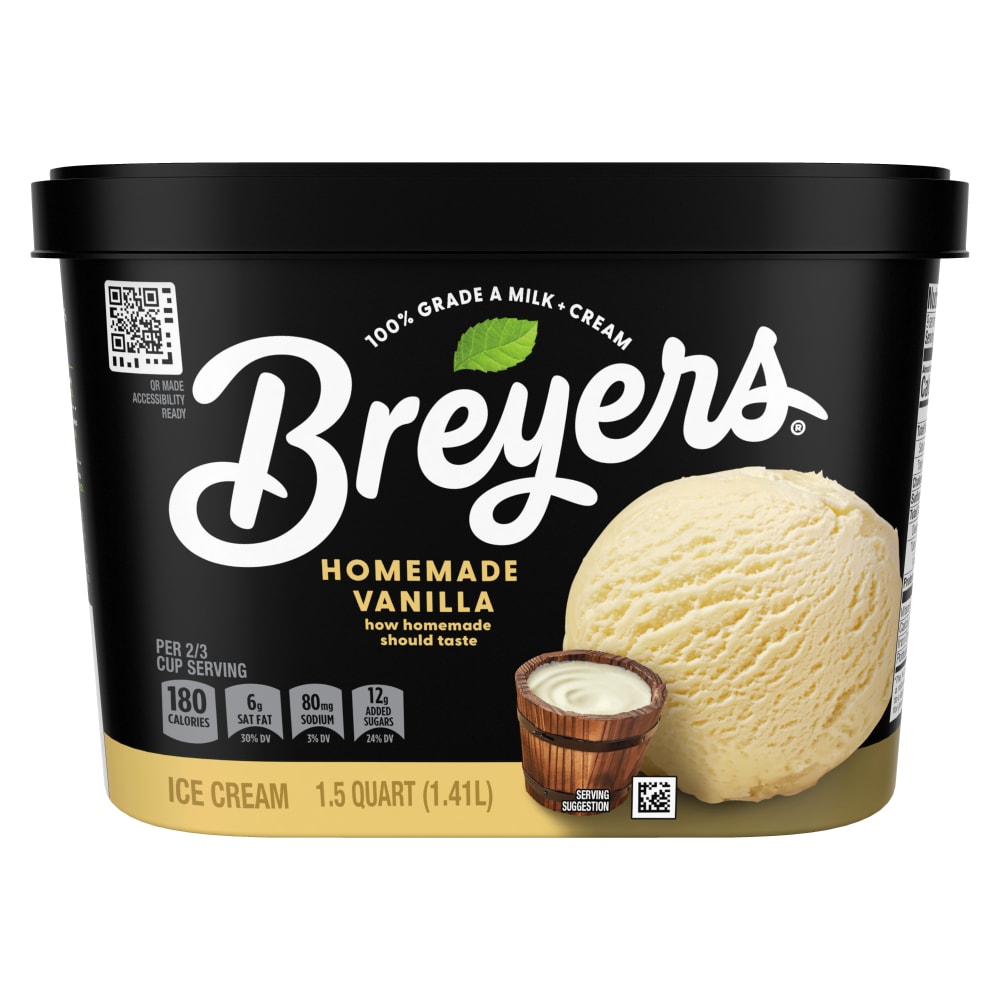


Homemade Vanilla Ice Cream
Summary
This homemade vanilla ice cream contains high-quality ingredients like heavy cream, whole milk, vanilla extract, and eggs, which contribute to its rich texture and nutritional value. However, the presence of granulated sugar and sweetened condensed milk adds a significant amount of refined sugars, which are highly processed and can impact health negatively when consumed in excess. The product's processing level limits its score, despite the overall clean ingredient list.
At a glance
Key ingredients 8
Heavy creamGood
Heavy cream is a source of high-quality saturated fats and fat-soluble vitamins. It is minimally processed and can be part of a balanced diet when consumed in moderation. The creaminess it provides is essential for the texture of ice cream.
Risks
Excessive consumption may lead to increased cholesterol levels and weight gain.
Benefits
Provides a rich source of fat-soluble vitamins like A, D, E, and K, which are essential for various bodily functions.
Whole milkGood
Whole milk is a nutrient-rich liquid providing essential nutrients like calcium, vitamin D, and protein. It is minimally processed and supports bone health. The lactose in milk can be a concern for those with lactose intolerance.
Risks
May cause digestive issues for individuals with lactose intolerance.
Benefits
Rich in calcium and vitamin D, which are crucial for maintaining strong bones and teeth.
Granulated sugarBad
Granulated sugar is a refined carbohydrate that can contribute to weight gain and metabolic issues when consumed in excess. It is highly processed and lacks nutritional value. Its high glycemic index can lead to spikes in blood sugar levels.
Risks
Excessive intake is linked to obesity, type 2 diabetes, and heart disease.
Vanilla extractGood
Vanilla extract is a flavoring derived from vanilla beans, providing a natural and aromatic flavor. It is minimally processed and can enhance the taste of desserts. The alcohol content in vanilla extract is generally negligible in small amounts.
Benefits
Adds a pleasant aroma and flavor to foods without adding significant calories or sugar.
SaltNeutral
Salt is used to enhance flavor and balance sweetness in recipes. It is a natural mineral but should be consumed in moderation to avoid health issues. Excessive salt intake can lead to hypertension and cardiovascular problems.
Risks
High intake can contribute to high blood pressure and cardiovascular diseases.
Benefits
Essential for maintaining fluid balance and nerve function in the body.
Sweetened condensed milkNeutral
Sweetened condensed milk is a concentrated milk product with added sugar, used for its sweetness and creamy texture. It is processed to remove water and increase shelf life. The high sugar content can be a concern for those monitoring sugar intake.
Risks
High in sugar, which can contribute to weight gain and dental issues if consumed excessively.
Benefits
Provides a rich, creamy texture and sweetness to desserts.
Evaporated milkNeutral
Evaporated milk is a canned milk product with reduced water content, offering a creamy texture. It is processed to extend shelf life and is often used in cooking and baking. It retains most of the nutrients found in fresh milk.
Benefits
Provides a concentrated source of calcium and protein, similar to regular milk.
EggsGood
Eggs are a high-quality source of protein and essential nutrients like choline and vitamin D. They are minimally processed and versatile in cooking. Eggs contribute to the creamy texture and richness of ice cream.
Risks
Potential allergen for some individuals and should be consumed with caution by those with egg allergies.
Benefits
Rich in high-quality protein and essential nutrients, supporting muscle repair and overall health.
Processing
Processed Foods
Get the full breakdown in the Scout app
Scan any product to see lab results, healthy alternatives, and your personalized analysis.
Download on theApp Store