

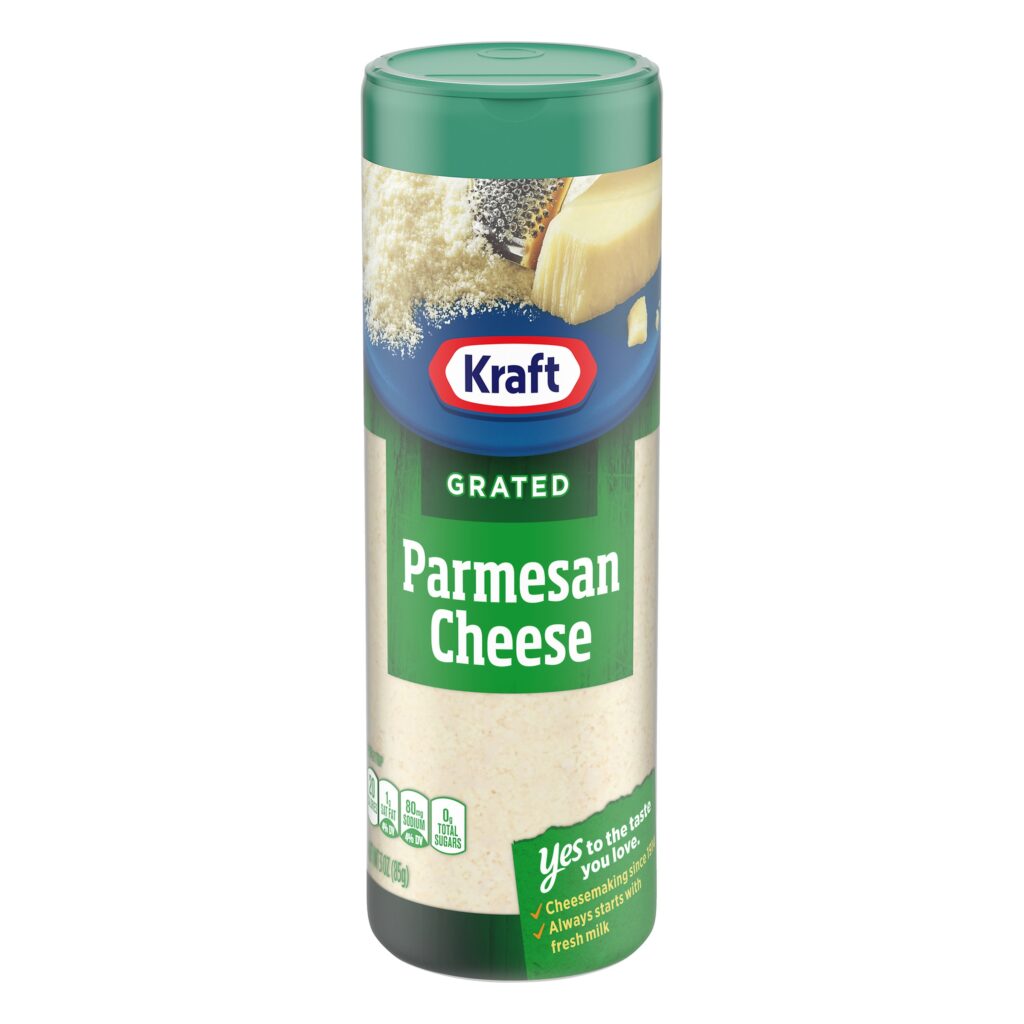


Harris Teeter Parmesan Cheese Fancy Shredded
Analysis updated July 2026 · How Scout scores
At a glance
Summary
This Parmesan cheese is a processed product with added anticaking agents like powdered cellulose and anticake, which indicate a higher level of processing. While it contains beneficial ingredients such as Parmesan cheese and cultured pasteurized milk, the presence of these additives reduces its overall healthiness compared to more minimally processed cheeses. The processing level and additives prevent it from achieving a top-tier score.
Key ingredients 8
Parmesan CheeseGood
Parmesan cheese is a natural dairy product rich in protein and calcium, contributing to bone health and muscle function.
See more about Parmesan Cheese →Cultured Pasteurized MilkGood
This ingredient provides essential nutrients like calcium and protein, supporting overall health and digestion.
See more about Cultured Pasteurized Milk →SaltNeutral
Standard formulation ingredient — neither beneficial nor harmful at typical use.
See more about Salt →EnzymesNeutral
Enzymes are used in cheese production to facilitate fermentation, with no significant health impact when used appropriately.
See more about Enzymes →AnticakeNeutral
Anticake agents prevent clumping, ensuring product quality without affecting nutritional value.
Potato StarchNeutral
Potato starch acts as a stabilizer or filler, with minimal nutritional impact.
See more about Potato Starch →Powdered CelluloseNeutral
Powdered cellulose is a plant-based additive used to prevent caking, with no significant health concerns.
See more about Powdered Cellulose →NatamycinNeutral
Natamycin is an antifungal agent used to inhibit mold growth, ensuring product safety without health risks.
See more about Natamycin →Processing
Processed Foods
Get the full breakdown in the Scout appTake Scout shopping
Scan any product to see lab results, healthy alternatives, and your personalized analysis.
Download on theApp Store GET IT ONGoogle Play