
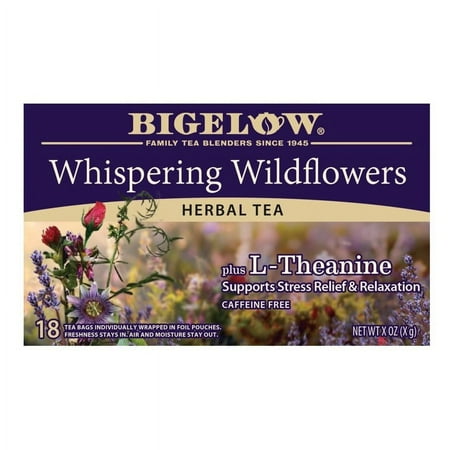
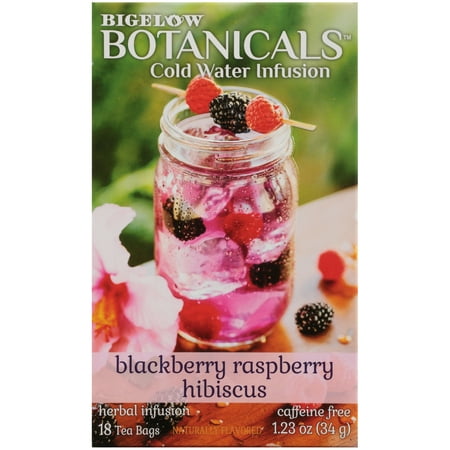
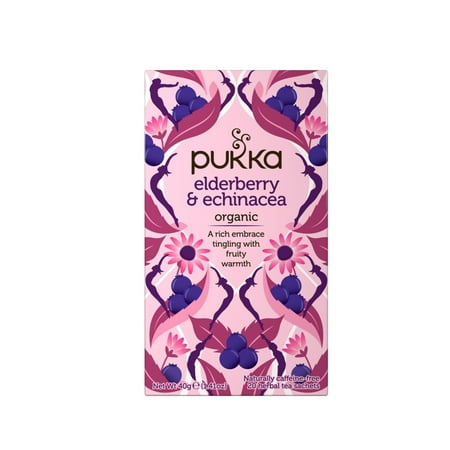
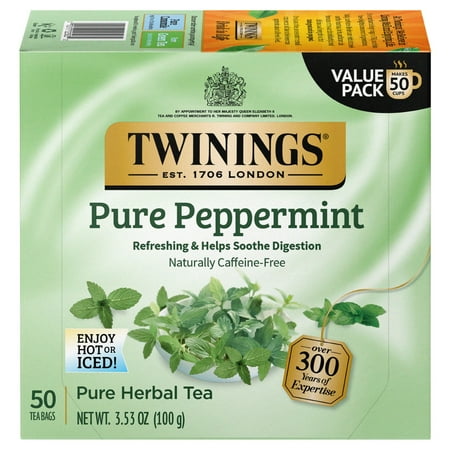
Bigelow Whispering Wildflowers Plus L-Theanine Caffeine-Free Herbal Tea Bags 18 Count
Analysis updated July 2026 · How Scout scores
At a glance
Summary
This herbal tea blend contains a variety of beneficial ingredients such as chamomile, hibiscus, and tulsi, which are known for their calming and antioxidant properties. However, the presence of 'natural rose flavor' introduces some concerns due to its lack of transparency and potential processing. Despite being processed, the tea maintains a relatively clean ingredient list, which supports a higher score within its category.
Key ingredients 11
ChamomileVery Good
Chamomile is known for its calming effects and is often used to promote relaxation and sleep. It contains antioxidants that may help reduce inflammation and support immune health. Its gentle nature makes it suitable for most people, with minimal risk of adverse effects.
Benefits
Chamomile is rich in antioxidants and has anti-inflammatory properties, which can support overall health.
HibiscusVery Good
Hibiscus is known for its high antioxidant content, particularly anthocyanins, which can help lower blood pressure and improve heart health. It is often used in herbal teas for its tart flavor and potential health benefits. Regular consumption may support cardiovascular health and reduce oxidative stress.
Benefits
Hibiscus is rich in antioxidants and may help lower blood pressure, supporting heart health.
TulsiVery Good
Tulsi, also known as holy basil, is revered for its adaptogenic properties, helping the body manage stress. It contains antioxidants and compounds that may support immune health and reduce inflammation. Tulsi is often used in Ayurvedic medicine for its wide range of health benefits.
Benefits
Tulsi supports stress management and immune health due to its adaptogenic and antioxidant properties.
RosebudsGood
Rosebuds are rich in vitamin C and antioxidants, which can help boost the immune system and improve skin health. They are often used in herbal teas for their pleasant aroma and potential health benefits. The natural compounds in rosebuds may also have anti-inflammatory effects.
Benefits
Rosebuds provide antioxidants and vitamin C, supporting immune function and skin health.
LavenderGood
Lavender is commonly used for its calming and relaxing properties, often in aromatherapy and herbal teas. It contains compounds that may help reduce anxiety and improve sleep quality. Its soothing effects make it a popular choice for stress relief.
Benefits
Lavender may help reduce anxiety and improve sleep quality due to its calming properties.
Licorice RootGood
Licorice root is used for its potential anti-inflammatory and immune-boosting properties. It contains glycyrrhizin, which may help soothe digestive issues and support respiratory health. However, excessive consumption can lead to health issues, so moderation is advised.
Risks
Excessive consumption may lead to increased blood pressure and other health issues.
Benefits
Licorice root may support digestive and respiratory health due to its anti-inflammatory properties.
Butterfly Pea FlowerGood
Butterfly pea flower is known for its vibrant blue color and antioxidant properties. It contains anthocyanins, which may help improve cognitive function and reduce inflammation. Its unique color and health benefits make it a popular addition to herbal teas.
Benefits
Butterfly pea flower provides antioxidants that may support cognitive function and reduce inflammation.
L-TheanineGood
L-Theanine is an amino acid commonly found in tea leaves, known for promoting relaxation without drowsiness. It may enhance cognitive performance and improve mood by increasing levels of neurotransmitters like serotonin and dopamine. Its calming effects make it a popular supplement for stress relief.
Benefits
L-Theanine promotes relaxation and may enhance cognitive performance and mood.
PassionflowerGood
Passionflower is often used for its calming effects and potential to reduce anxiety and improve sleep quality. It contains flavonoids and alkaloids that may support mental health and relaxation. Its use in herbal teas is popular for promoting a sense of calm.
Benefits
Passionflower may help reduce anxiety and improve sleep quality due to its calming effects.
Orange BlossomGood
Orange blossom is valued for its aromatic properties and potential calming effects. It contains compounds that may help reduce stress and promote relaxation. Its pleasant fragrance and potential health benefits make it a popular addition to herbal teas.
Benefits
Orange blossom may help reduce stress and promote relaxation due to its aromatic properties.
Natural Rose FlavorBad
Natural rose flavor is a catch-all term that can include a variety of processed flavoring agents. The lack of transparency in its composition raises concerns about potential additives and processing methods. While it may enhance flavor, it does not provide significant health benefits.
Risks
The lack of transparency in its composition may include additives that are not disclosed.
Processing
Processed Foods
Get the full breakdown in the Scout appTake Scout shopping
Scan any product to see lab results, healthy alternatives, and your personalized analysis.
Download on theApp Store GET IT ONGoogle PlayAmazon pricing & content
Amazon price as of . Product prices and availability are accurate as of the date/time indicated and are subject to change. Any price and availability information displayed on Amazon.com at the time of purchase will apply to the purchase of this product.
CERTAIN CONTENT THAT APPEARS ON THIS SITE COMES FROM AMAZON. THIS CONTENT IS PROVIDED “AS IS” AND IS SUBJECT TO CHANGE OR REMOVAL AT ANY TIME.