



At a glance
Summary
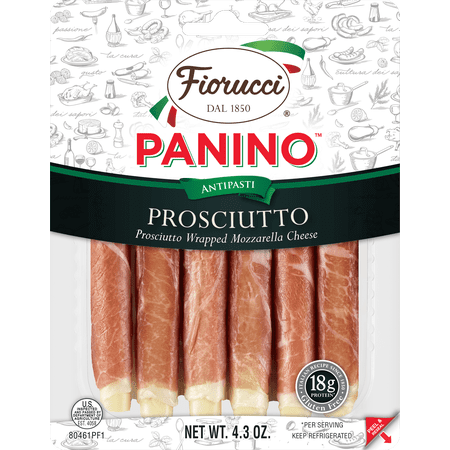
This product consists of prosciutto and mozzarella, both of which are relatively simple and minimally processed ingredients. The prosciutto is made from pork and sea salt, providing a high-quality protein source with essential nutrients. The mozzarella cheese is made from cultured pasteurized milk, offering probiotics and calcium. Despite being processed, the clean ingredient list and absence of harmful additives contribute positively to its score.
Key ingredients 5
PorkGood
Pork is a high-quality source of protein and essential nutrients. It provides a rich amino acid profile necessary for muscle maintenance and repair. When sourced from well-raised animals, it can be a nutritious component of a balanced diet.
Risks
Potential risks include high saturated fat content and sodium levels, which may affect cardiovascular health if consumed in excess.
Benefits
Rich in protein and essential vitamins like B12, which supports energy metabolism and neurological function.
Sea SaltGood
Sea salt is a minimally processed source of sodium and trace minerals. It is often preferred over refined salt due to its natural mineral content. It enhances flavor without the need for artificial additives.
Risks
Excessive sodium intake can lead to hypertension and cardiovascular issues.
Benefits
Provides essential sodium and trace minerals that are important for fluid balance and nerve function.
Cultured Pasteurized MilkGood
Cultured pasteurized milk is used to make mozzarella cheese, providing beneficial probiotics and calcium. The pasteurization process ensures safety by eliminating harmful bacteria. It contributes to bone health and digestive support.
Risks
Lactose intolerance can cause digestive discomfort for some individuals.
Benefits
Rich in calcium and probiotics, supporting bone health and gut microbiota.
SaltNeutral
Salt is a common seasoning and preservative used in cheese production. It helps in flavor development and acts as a preservative. However, it does not provide additional nutritional benefits beyond sodium.
Risks
High sodium intake can contribute to hypertension and cardiovascular disease.
Benefits
Enhances flavor and acts as a preservative in food products.
Microbial EnzymeNeutral
Microbial enzymes are used in cheese production to aid in coagulation. They are a vegetarian alternative to animal rennet. These enzymes are generally considered safe and effective for cheese making.
Benefits
Provides a vegetarian-friendly option for cheese production without compromising quality.
Processing
Processed Foods
Get the full breakdown in the Scout appTake Scout shopping
Scan any product to see lab results, healthy alternatives, and your personalized analysis.
Download on theApp Store GET IT ONGoogle Play