

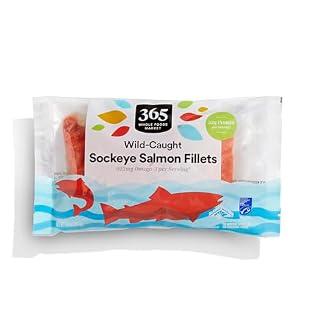


At a glance
Summary
The salmon fillets are primarily composed of high-quality salmon, which is a rich source of protein and omega-3 fatty acids, beneficial for heart and brain health. The product is processed due to the addition of water and salt, which limits its score despite the clean ingredient list. The minimal processing and absence of harmful additives contribute positively to its rating.
Key ingredients 3
Salmon filletVery Good
Salmon fillet is a high-quality source of protein and omega-3 fatty acids, which are beneficial for heart and brain health. It is minimally processed and provides essential nutrients like vitamin D and selenium. Compared to other protein sources, salmon offers a superior nutrient profile with anti-inflammatory properties.
Risks
Potential risks include mercury contamination, though levels in salmon are generally low compared to other fish.
Benefits
Rich in omega-3 fatty acids that support cardiovascular health and reduce inflammation. Provides high-quality protein and essential vitamins and minerals.
WaterNeutral
Water is used as a processing aid and does not contribute any nutritional value. It is a neutral ingredient with no significant health impact. Its presence is primarily for maintaining moisture in the product.
See more about Water →SaltNeutral
Salt is used for flavor enhancement and preservation. It is a common ingredient in processed foods and provides sodium, an essential mineral. However, excessive consumption of salt can lead to health issues such as hypertension.
Risks
High sodium intake can contribute to increased blood pressure and cardiovascular disease risk.
Benefits
Provides essential sodium necessary for various bodily functions, including nerve transmission and muscle contraction.
Processing
Processed Foods
Get the full breakdown in the Scout appTake Scout shopping
Scan any product to see lab results, healthy alternatives, and your personalized analysis.
Download on theApp Store GET IT ONGoogle Play