


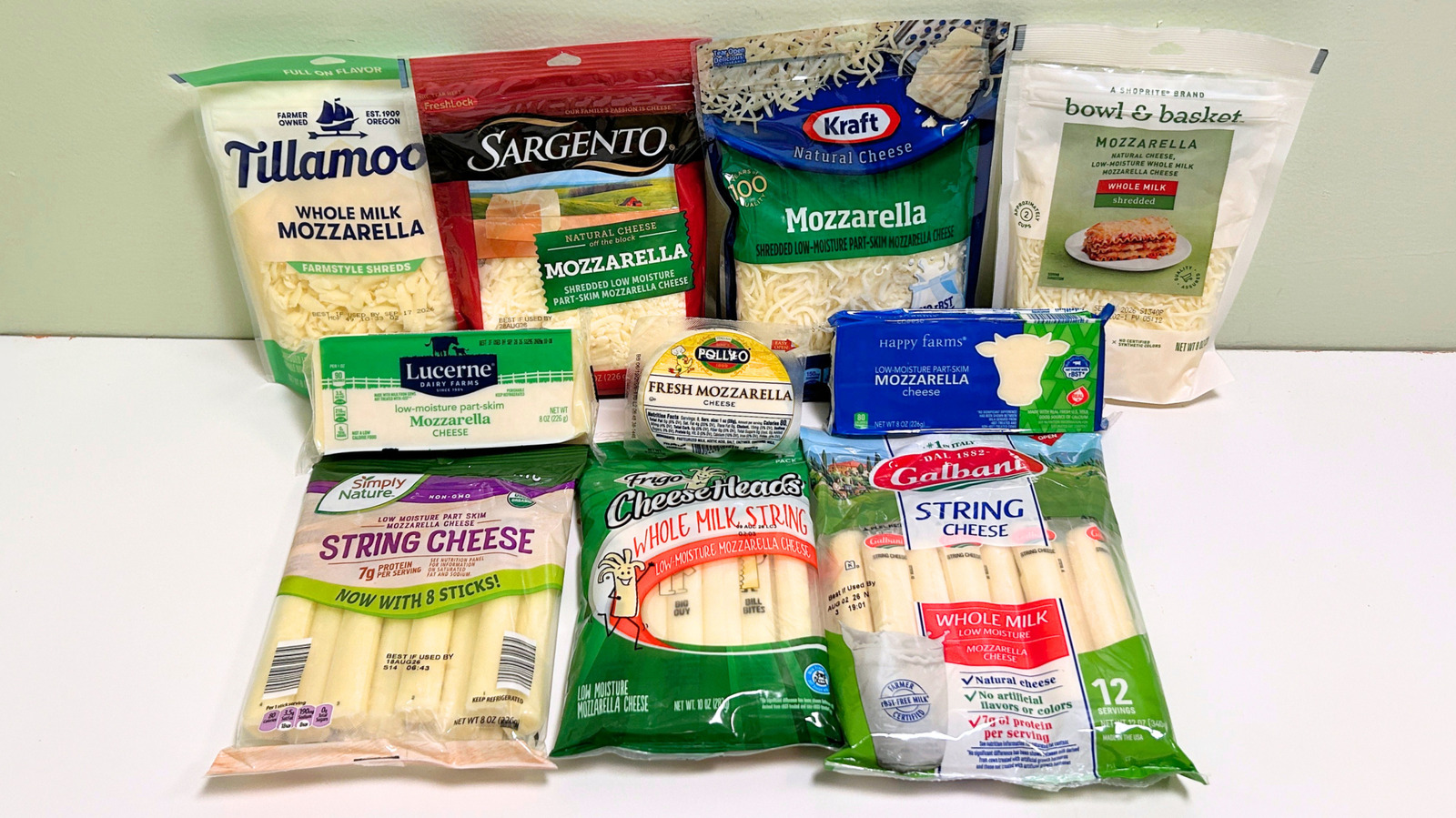

STRING CHEESE
Summary
This string cheese is made from high-quality ingredients like pasteurized milk, cheese cultures, and enzymes, which contribute to its nutritional value. The product is processed but maintains a clean label with no harmful additives or artificial ingredients. Its processing level limits the score, but the simplicity and quality of the ingredients support a high rating within its category.
At a glance
Key ingredients 5
Pasteurized milkGood
Pasteurized milk is a primary ingredient in cheese, providing essential nutrients like calcium and protein. The pasteurization process ensures safety by eliminating harmful bacteria. It is a high-quality source of animal-based protein with a rich amino acid profile.
Benefits
Rich in calcium and protein, supporting bone health and muscle maintenance.
SaltNeutral
Salt is used in cheese making to enhance flavor and act as a preservative. It helps control the fermentation process by inhibiting unwanted bacterial growth. While necessary in small amounts, excessive consumption can lead to health issues like hypertension.
Risks
Excessive salt intake can contribute to high blood pressure and cardiovascular issues.
Benefits
Essential for flavor enhancement and preservation in cheese production.
Cheese culturesGood
Cheese cultures are beneficial bacteria used to ferment milk, aiding in the development of flavor and texture in cheese. They play a crucial role in the cheese-making process by converting lactose into lactic acid. This fermentation process can enhance digestibility and probiotic content.
Benefits
Contributes to flavor development and may provide probiotic benefits.
EnzymesGood
Enzymes are used in cheese making to coagulate milk, forming curds and whey. They are essential for the texture and structure of cheese. Typically derived from animal or microbial sources, they are crucial for traditional cheese production.
Benefits
Essential for cheese coagulation and texture development.
Vitamin A palmitateNeutral
Vitamin A palmitate is a synthetic form of vitamin A added to fortify foods. It helps maintain vision, immune function, and skin health. While beneficial in small amounts, excessive intake can lead to toxicity.
Risks
Excessive consumption can lead to vitamin A toxicity, but this is unlikely in typical dietary amounts.
Benefits
Supports vision and immune health when consumed in appropriate amounts.
Processing
Processed Foods
Get the full breakdown in the Scout app
Scan any product to see lab results, healthy alternatives, and your personalized analysis.
Download on theApp Store