



At a glance
Summary
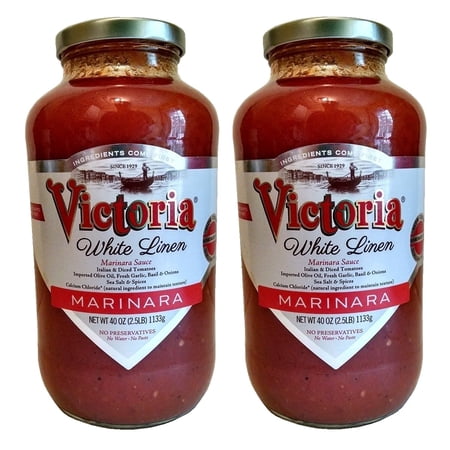
This marinara sauce is made with high-quality organic ingredients, including tomato puree, diced tomatoes, and extra virgin olive oil, which contribute beneficial nutrients and antioxidants. The organic certification ensures minimal pesticide exposure and higher nutrient retention. Despite being a processed food, the absence of harmful additives and the use of clean, recognizable ingredients support a high score within its category.
Key ingredients 10
Organic extra virgin olive oilVery Good
High-quality monounsaturated fat with anti-inflammatory properties. Contains antioxidants that support heart health. Cold-pressed extraction preserves beneficial compounds.
Benefits
Rich in monounsaturated fats that support heart health and provide anti-inflammatory properties. Contains antioxidants like vitamin E and polyphenols that may reduce oxidative stress.
Organic tomato pureeGood
Organic tomato puree is a rich source of vitamins and antioxidants, particularly lycopene. The organic certification ensures minimal pesticide use and higher nutrient retention. It provides a natural base for sauces with health-promoting properties.
Benefits
Rich in antioxidants like lycopene, which may reduce the risk of chronic diseases. Provides essential vitamins such as vitamin C and potassium.
Organic diced tomatoes in juiceGood
Organic diced tomatoes offer similar benefits to tomato puree, providing vitamins and antioxidants. The organic label indicates reduced pesticide exposure and potentially higher nutrient content. They add texture and flavor to the sauce.
Benefits
Contains lycopene and vitamin C, supporting immune function and reducing oxidative stress.
Organic onionsGood
Organic onions are a natural source of vitamins, minerals, and antioxidants. They are known for their anti-inflammatory and immune-boosting properties. The organic certification suggests fewer chemical residues.
Benefits
Rich in antioxidants and sulfur compounds that may support heart health and reduce inflammation.
Organic garlicGood
Organic garlic is known for its potent antioxidant and anti-inflammatory properties. It contains allicin, which may support cardiovascular health. The organic certification ensures minimal pesticide exposure.
Benefits
May help lower blood pressure and cholesterol levels due to its active compounds.
Sea saltGood
Sea salt is a natural source of sodium and trace minerals. It is less processed than table salt, retaining more of its natural mineral content. It enhances flavor without the need for additives.
Risks
Excessive sodium intake can lead to hypertension and cardiovascular issues.
Benefits
Provides essential minerals and enhances the flavor of foods naturally.
Organic basilGood
Organic basil is rich in antioxidants and essential oils that may have anti-inflammatory effects. The organic label suggests fewer pesticide residues. It adds flavor and aroma to dishes.
Benefits
Contains antioxidants and essential oils that may support immune health and reduce inflammation.
Organic oreganoGood
Organic oregano is a potent source of antioxidants and has antimicrobial properties. The organic certification indicates reduced chemical exposure. It enhances flavor and may support digestive health.
Benefits
Rich in antioxidants and may support immune function and digestive health.
Organic fennelGood
Organic fennel is known for its digestive benefits and contains antioxidants. The organic label ensures minimal pesticide use. It adds a unique flavor and aroma to dishes.
Benefits
May aid digestion and provide antioxidant benefits.
Organic sugarBad
Processed additive flagged under Scout's ingredient doctrine.
Risks
Excessive consumption may contribute to weight gain and metabolic issues.
Benefits
Provides a quick source of energy but offers no significant nutritional benefits.
Processing
Processed Foods
Get the full breakdown in the Scout appTake Scout shopping
Scan any product to see lab results, healthy alternatives, and your personalized analysis.
Download on theApp Store GET IT ONGoogle Play