


At a glance
Summary
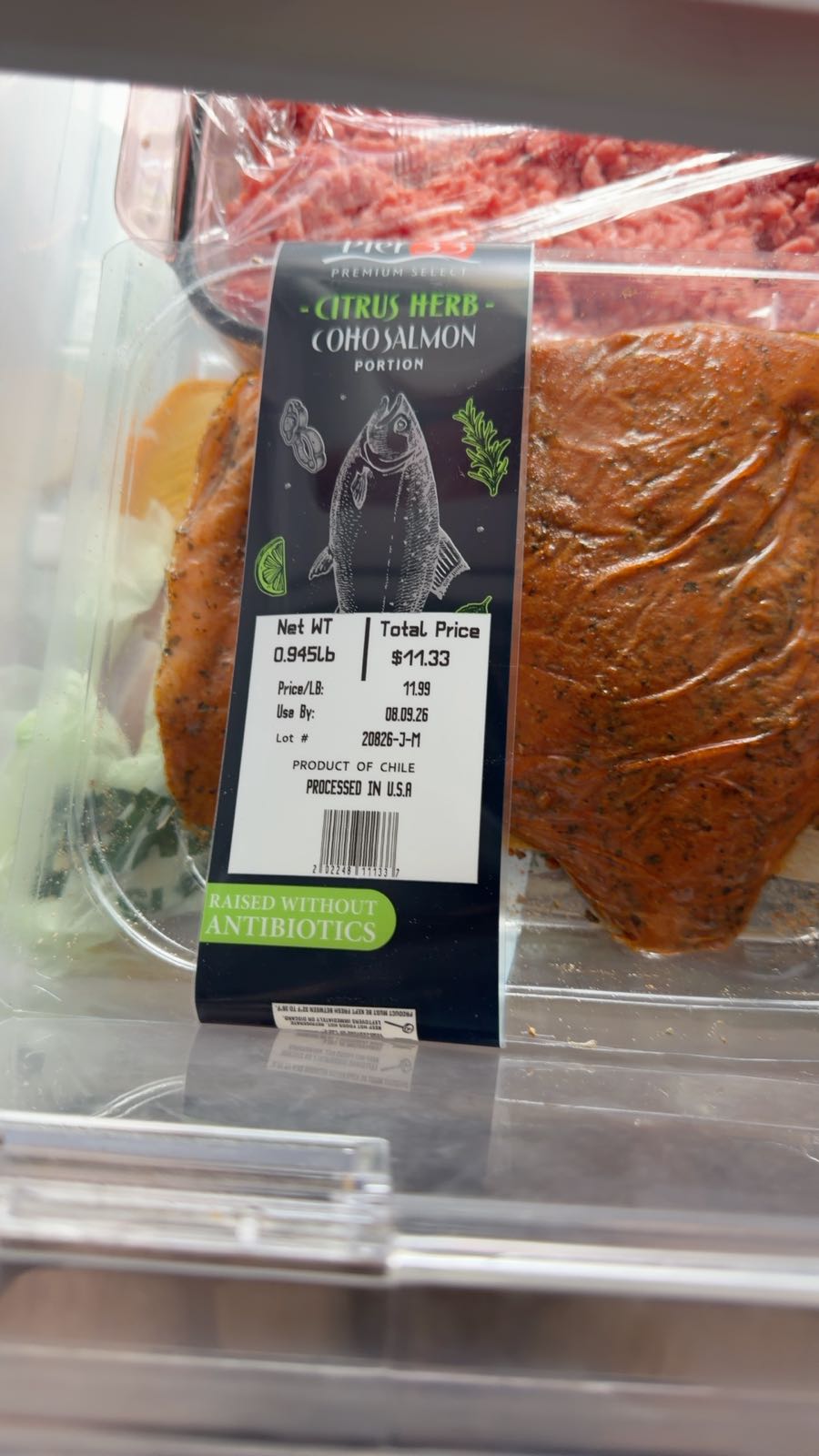
This product features high-quality ingredients like salmon, olive oil, and garlic, which are beneficial for health due to their nutrient content and minimal processing. However, the presence of sodium tripolyphosphate, a synthetic additive, and the overall processing level of the product slightly reduce its score. Despite these factors, the clean ingredient list and absence of harmful oils or artificial additives contribute positively to its rating.
Key ingredients 11
SalmonVery Good
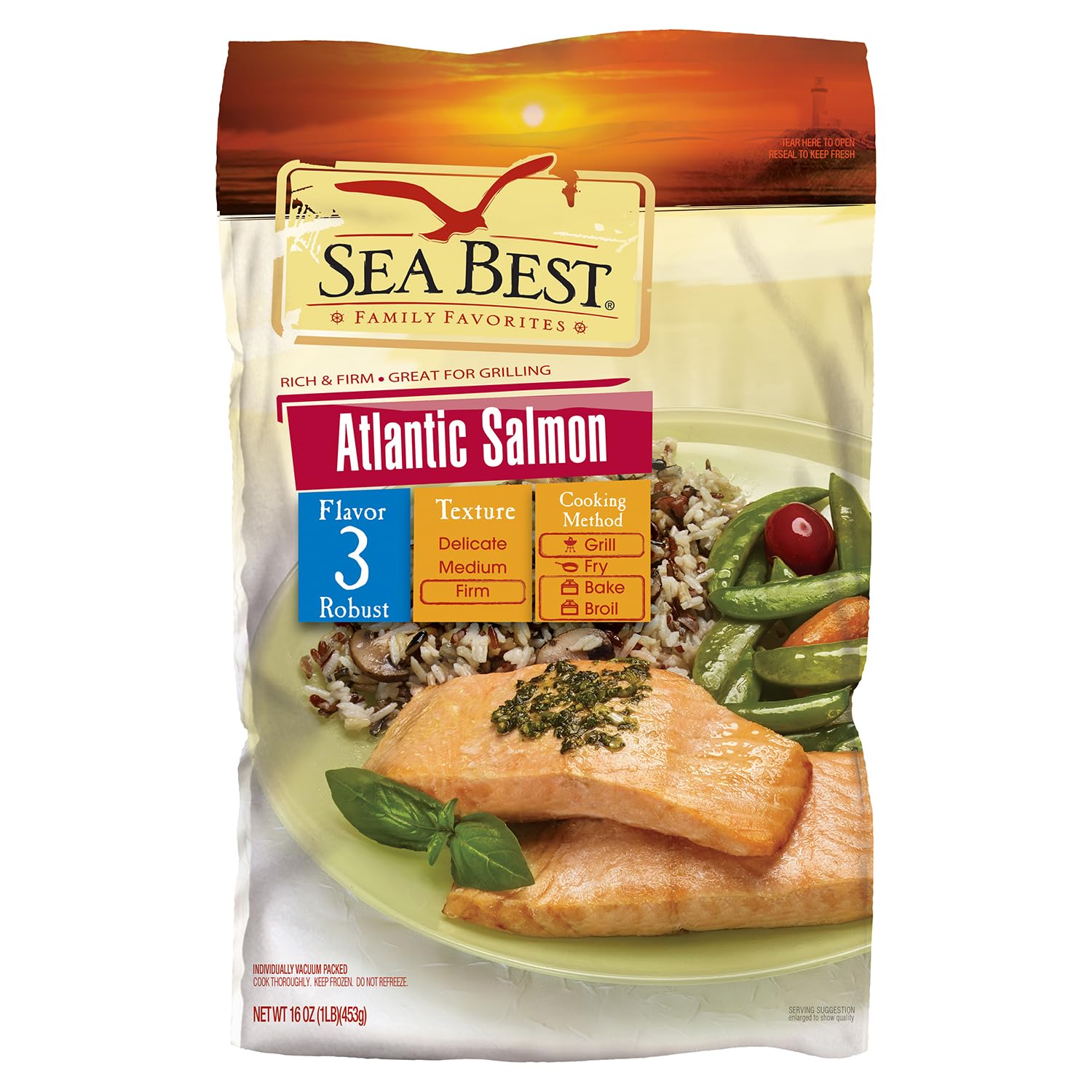
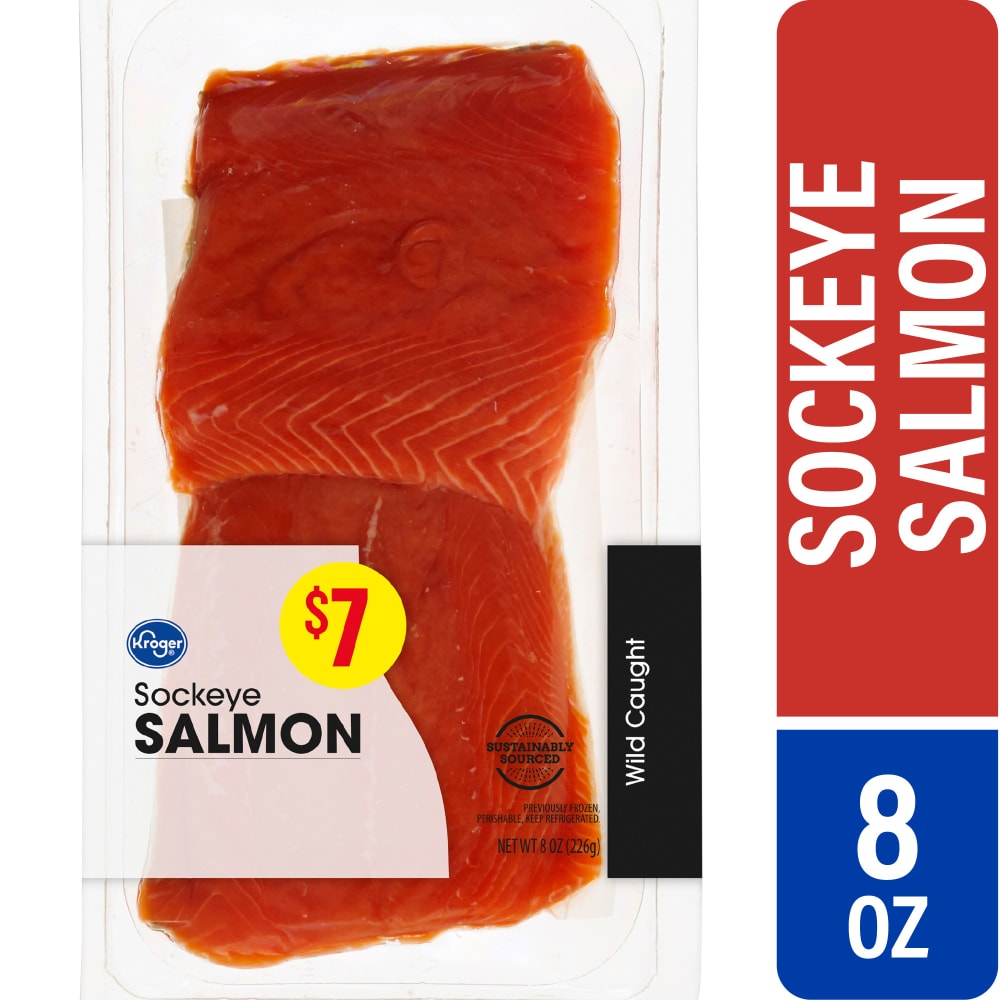
Salmon is a high-quality source of protein and omega-3 fatty acids. It provides essential nutrients like vitamin D and selenium. Wild-caught salmon is preferred for its lower contaminant levels and higher nutrient density.
Risks
Potential risk of mercury and other contaminants, especially in farmed varieties.
Benefits
Rich in omega-3 fatty acids which support heart and brain health. Provides high-quality protein and essential vitamins and minerals.
Olive OilVery Good
Olive oil is a source of healthy monounsaturated fats and antioxidants. It supports heart health and has anti-inflammatory effects. Extra virgin olive oil is preferred for its higher nutrient content.
Benefits
Rich in monounsaturated fats and antioxidants that support heart health.
Unsalted ButterGood
Unsalted butter provides healthy fats and fat-soluble vitamins like A, D, E, and K. It is a natural product with minimal processing. Grass-fed butter is preferred for higher omega-3 and CLA content.
Risks
High in saturated fats, which should be consumed in moderation.
Benefits
Rich in fat-soluble vitamins and provides a source of healthy fats.
GarlicGood
Garlic is known for its antioxidant and anti-inflammatory properties. It contains allicin, which may support heart health. Fresh garlic is preferred for maximum health benefits.
Risks
May cause digestive discomfort in some individuals when consumed in large amounts.
Benefits
Supports heart health and has potential antimicrobial properties.
Fresh RosemaryGood
Fresh rosemary is an herb with antioxidant and anti-inflammatory properties. It adds flavor and aroma to dishes naturally. Contains compounds that may support cognitive health.
Benefits
Provides antioxidants and may support cognitive health.
Blood Orange JuiceGood
Blood orange juice is rich in vitamin C and antioxidants. It provides a natural source of sweetness and flavor. Freshly squeezed juice is preferred for maximum nutrient retention.
Benefits
Rich in vitamin C and antioxidants that support immune health.
Blood Orange ZestGood
Blood orange zest contains essential oils and antioxidants. It enhances flavor and provides additional nutrients. Fresh zest is preferred for its aromatic compounds.
Benefits
Provides antioxidants and enhances flavor with natural oils.
WaterNeutral
Water is used as a basic ingredient in many food products. It serves as a solvent and helps in maintaining moisture. It does not contribute any nutritional value.
See more about Water →SaltNeutral
Salt is used for seasoning and preserving food. It enhances flavor but should be consumed in moderation. Excessive intake can lead to health issues like hypertension.
Risks
High sodium intake can increase the risk of hypertension and cardiovascular diseases.
Benefits
Enhances flavor and acts as a preservative in food products.
Agave SyrupNeutral
Agave syrup is a natural sweetener with a lower glycemic index than refined sugar. It is often used as an alternative to sugar. However, it is high in fructose, which can be concerning in large amounts.
Risks
High fructose content may contribute to metabolic issues if consumed in excess.
Benefits
Provides a natural sweetness with a lower glycemic index than refined sugar.
Sodium TripolyphosphateBad
Sodium tripolyphosphate is used as a preservative and moisture-retaining agent. It is a synthetic additive that can increase sodium content. Overuse in processed foods is a concern for health.
Risks
May contribute to increased sodium intake and potential kidney issues with excessive consumption.
Benefits
Helps retain moisture and improve texture in processed foods.
Processing
Processed Foods
Get the full breakdown in the Scout appTake Scout shopping
Scan any product to see lab results, healthy alternatives, and your personalized analysis.
Download on theApp Store GET IT ONGoogle Play