
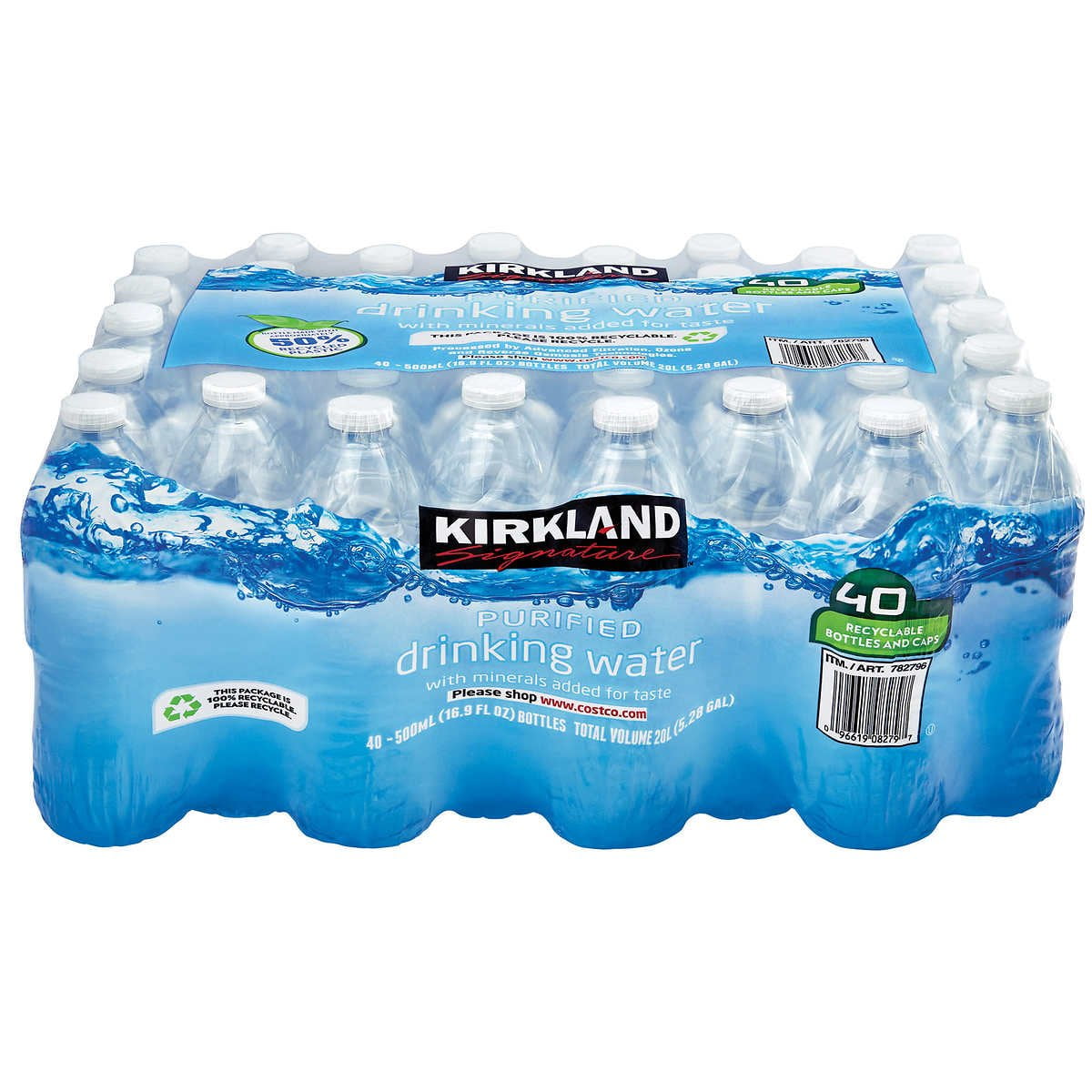


Poland spring

Twin Rocks
60 Fair
View on Amazon

Summary

Poland Spring water is sourced from natural springs, which is a preferred source ensuring minimal processing and high purity. However, the presence of harmful contaminants such as arsenic and lead, which are toxic and pose significant health risks, notably impacts the product's safety profile. Additionally, the presence of fluoride and nitrate requires careful monitoring to prevent potential health issues, although the beneficial minerals like magnesium and calcium contribute positively to its mineral content.

At a glance

Beneficial ingredients 5
Harmful ingredients 4
Category Water Bottles

Key ingredients 17

Water
Very Good

Water is essential for life and is the primary component of this product, providing hydration. It is typically sourced from natural springs, ensuring minimal processing and high purity. The quality of water is crucial, and Poland Spring is known for its clean and refreshing taste.

Benefits

Provides essential hydration and supports various bodily functions.

See more about Water →
Sio2
Neutral

SiO2, or silica, is a naturally occurring compound found in water. It is generally considered neutral in terms of health impact. Silica is often included in water for its potential to support bone health, although its benefits are not well-established.

Benefits

May support bone health, although evidence is limited.

Fluoride
Bad

Fluoride is added to water to help prevent dental cavities, but excessive intake can lead to health issues. It is often a point of contention due to potential overexposure risks. The balance of fluoride is crucial to avoid dental and skeletal fluorosis.

Risks

Excessive fluoride intake can lead to dental and skeletal fluorosis.

Benefits

Helps in the prevention of dental cavities when consumed in appropriate amounts.

See more about Fluoride →
Chloride
Good

Chloride is an essential electrolyte that helps maintain fluid balance in the body. It is naturally present in water and contributes to the mineral content. Chloride levels in bottled water are typically safe and beneficial for health.

Benefits

Supports fluid balance and is essential for proper body function.

See more about Chloride →
Sulphates
Neutral

Sulphates are naturally occurring minerals in water that contribute to its taste. They are generally considered neutral in terms of health impact. While they can have a laxative effect in high concentrations, typical levels in bottled water are safe.

Risks

High concentrations can have a laxative effect, but typical levels in bottled water are safe.

Benefits

Contribute to the mineral content and taste of the water.

Copper
Neutral

Copper is a trace mineral that is essential for health, but it is present in very small amounts in water. It is generally considered neutral in this context. Excessive copper can be toxic, but levels in bottled water are typically well-regulated.

Risks

Excessive copper intake can be toxic, but levels in bottled water are typically safe.

Benefits

Essential for health in trace amounts, supporting various bodily functions.

See more about Copper →
Zinc
Neutral

Zinc is an essential trace mineral that supports immune function and other bodily processes. It is present in small amounts in water and is generally considered neutral. The levels in bottled water are typically safe and contribute minimally to daily intake.

Benefits

Supports immune function and other bodily processes in trace amounts.

See more about Zinc →
Magnesium
Good

Magnesium is an essential mineral that supports muscle and nerve function, as well as bone health. It is naturally present in water and contributes to its mineral content. Adequate magnesium intake is important for overall health.

Benefits

Supports muscle and nerve function, as well as bone health.

See more about Magnesium →
Nitrate
Bad

Nitrate is a compound that can be present in water due to agricultural runoff and other sources. High levels of nitrate can be harmful, particularly for infants, as it can interfere with oxygen transport in the blood. It is important to monitor nitrate levels to ensure safety.

Risks

High nitrate levels can interfere with oxygen transport in the blood, particularly in infants.

See more about Nitrate →
Sodium
Neutral

Sodium is an essential electrolyte that helps regulate fluid balance and nerve function. It is naturally present in water and contributes to its mineral profile. While necessary for health, excessive sodium intake can lead to hypertension.

Risks

Excessive sodium intake can lead to hypertension.

Benefits

Supports fluid balance and nerve function.

See more about Sodium →
Nitrogen
Neutral

Nitrogen is a naturally occurring element that is generally inert in water. It is considered neutral in terms of health impact. Nitrogen in water is typically not a concern unless present in reactive forms like nitrates.

Arsenic
Very Bad

Arsenic is a toxic element that can be present in water due to natural deposits or pollution. It is harmful to health and can cause serious health issues with prolonged exposure. Monitoring and minimizing arsenic levels in water is crucial for safety.

Risks

Prolonged exposure to arsenic can cause serious health issues, including cancer.

See more about Arsenic →
Lead
Very Bad

Lead is a toxic metal that can contaminate water through old pipes and infrastructure. It is highly harmful, particularly to children, affecting neurological development and overall health. Ensuring lead-free water is critical for safety.

Risks

Lead exposure can cause neurological damage and other serious health issues, especially in children.

See more about Lead →
Bicarbonate
Neutral

Bicarbonate is a naturally occurring compound in water that helps maintain pH balance. It is generally considered neutral in terms of health impact. Bicarbonate can contribute to the buffering capacity of water, aiding in digestion.

Benefits

Helps maintain pH balance and can aid in digestion.

See more about Bicarbonate →
Potassium
Good

Potassium is an essential mineral that supports heart and muscle function. It is naturally present in water and contributes to its mineral content. Adequate potassium intake is important for maintaining healthy blood pressure levels.

Benefits

Supports heart and muscle function and helps maintain healthy blood pressure levels.

See more about Potassium →
Calcium
Good

Calcium is an essential mineral for bone health and is naturally present in water. It contributes to the mineral content and taste of the water. Adequate calcium intake is crucial for maintaining strong bones and teeth.

Benefits

Supports bone health and contributes to strong bones and teeth.

See more about Calcium →
Silica
Neutral

Silica is a naturally occurring compound in water that is generally considered neutral. It is often included for its potential to support bone health, although its benefits are not well-established. Silica contributes to the mineral profile of the water.

Benefits

May support bone health, although evidence is limited.

See more about Silica →

Processing

Group 1 · Minimally processed

Unprocessed or Minimally Processed Foods

Get the full breakdown in the Scout app

Scan any product to see lab results, healthy alternatives, and your personalized analysis.

Download on theApp Store