
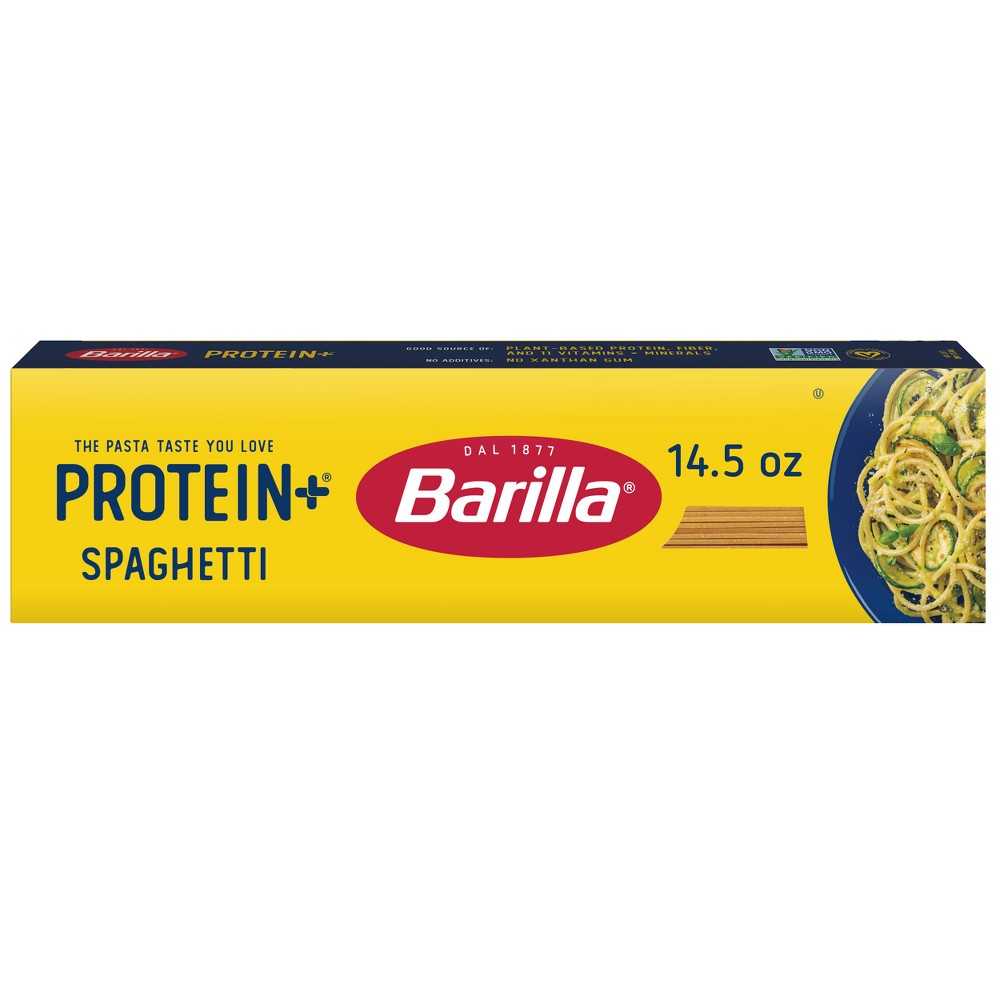


Barilla MULTIGRAIN PASTA, SPAGHETTI
Analysis updated August 2026 · How Scout scores
At a glance
Summary
This pasta contains a beneficial blend of grains and legumes, providing a good source of plant-based protein, fiber, and essential fatty acids. The inclusion of egg whites and oat fiber further enhances its nutritional profile. However, the product is considered ultra-processed due to the presence of multiple ingredients and added vitamins/minerals, which limits its overall health score despite the positive nutritional aspects.
Key ingredients 10
Grain and legume flour blendVery Good
This blend includes lentils, chickpeas, flaxseed, barley, oats, and spelt, offering a diverse nutrient profile. It provides a good source of plant-based protein, fiber, and essential fatty acids. The combination of grains and legumes enhances the amino acid profile, making it a complete protein source.
Risks
Potential allergen risk for individuals sensitive to legumes or specific grains.
Benefits
Offers a variety of nutrients, including protein, fiber, and omega-3 fatty acids, supporting heart health and digestion.
Egg whitesVery Good
Egg whites are a high-quality protein source, low in calories and fat. They are minimally processed and provide essential amino acids necessary for muscle repair and growth. This ingredient enhances the protein content of the pasta without adding cholesterol.
Risks
Allergen risk for individuals with egg allergies.
Benefits
Provides high-quality protein with all essential amino acids, supporting muscle health and repair.
SemolinaGood
Semolina is a high-protein flour made from durum wheat, providing essential nutrients. It is minimally processed, retaining much of its natural fiber and protein content. This ingredient is a staple in pasta production, offering a firm texture and rich flavor.
Risks
Contains gluten, which may cause issues for individuals with celiac disease or gluten sensitivity.
Benefits
Rich in protein and fiber, supporting digestive health and providing sustained energy.
Oat fiberGood
Oat fiber is a natural source of dietary fiber, aiding in digestion and promoting satiety. It is minimally processed, retaining its beneficial properties. This ingredient helps improve the texture of the pasta while adding nutritional value.
Benefits
Supports digestive health and helps maintain a feeling of fullness, which can aid in weight management.
Durum wheat flourGood
Durum wheat flour is a high-protein flour that contributes to the pasta's firm texture and nutritional profile. It is a staple in pasta making, known for its high gluten content, which provides elasticity. This ingredient is minimally processed, preserving its natural nutrients.
Risks
Contains gluten, which may cause issues for individuals with celiac disease or gluten sensitivity.
Benefits
Rich in protein and provides a firm texture to pasta, enhancing its culinary qualities.
NiacinGood
Beneficial ingredient — whole-food or functional value in this product class.
Benefits
Supports energy metabolism and overall health as part of the B-vitamin complex.
RiboflavinGood
Essential B vitamin — beneficial micronutrient.
Benefits
Supports energy production and cellular function as part of the B-vitamin complex.
Iron (ferrous sulfate)Neutral
Iron is an essential mineral added to fortify the pasta, preventing iron deficiency anemia. Ferrous sulfate is a common form used in food fortification due to its high bioavailability. This mineral is crucial for oxygen transport in the blood.
Risks
Excessive iron intake can lead to toxicity, but this is unlikely from fortified foods alone.
Benefits
Prevents iron deficiency anemia and supports healthy blood function.
Thiamine mononitrateNeutral
Thiamine mononitrate is a form of vitamin B1 used to fortify foods, supporting carbohydrate metabolism. It is commonly added to grain products to replace nutrients lost during processing. This vitamin is essential for energy production and nerve function.
Benefits
Supports energy production and nerve function as part of the B-vitamin complex.
Folic acidNeutral
Folic acid is a synthetic form of vitamin B9 added to fortify the pasta, supporting DNA synthesis and cell division. It is commonly used in grain fortification to prevent neural tube defects. This vitamin is essential for pregnant women and overall health.
Risks
Excessive intake can mask vitamin B12 deficiency, but this is unlikely from fortified foods alone.
Benefits
Supports DNA synthesis and is crucial for fetal development during pregnancy.
Processing
Ultra-Processed Foods
Get the full breakdown in the Scout appTake Scout shopping
Scan any product to see lab results, healthy alternatives, and your personalized analysis.
Download on theApp Store GET IT ONGoogle PlayAmazon pricing & content
Amazon price as of . Product prices and availability are accurate as of the date/time indicated and are subject to change. Any price and availability information displayed on Amazon.com at the time of purchase will apply to the purchase of this product.
CERTAIN CONTENT THAT APPEARS ON THIS SITE COMES FROM AMAZON. THIS CONTENT IS PROVIDED “AS IS” AND IS SUBJECT TO CHANGE OR REMOVAL AT ANY TIME.