


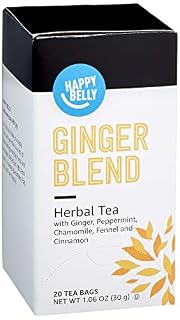
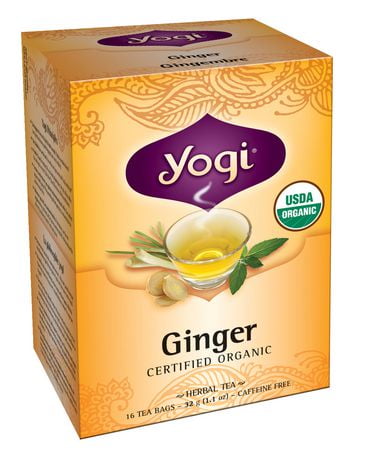
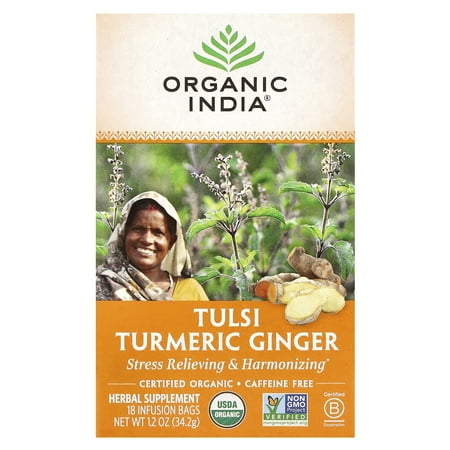
At a glance
Summary
This herbal tea contains beneficial ingredients like ginger root, lemongrass, and hibiscus, which are known for their health-promoting properties and minimal processing. However, the presence of 'natural flavors' introduces a level of processing that detracts from the overall natural quality of the product. Despite this, the tea remains relatively clean with no artificial additives or excessive processing, allowing it to score well within its category.
Key ingredients 6
Ginger RootVery Good
Ginger root is known for its anti-inflammatory and antioxidant properties, which can support immune health and digestion. It is a natural ingredient with minimal processing, often used in herbal teas for its health benefits. The presence of gingerol, a bioactive compound, enhances its health-promoting effects.
Benefits
Ginger root may help reduce nausea, improve digestion, and fight inflammation.
HibiscusVery Good
Hibiscus is rich in antioxidants and has been shown to support cardiovascular health by potentially lowering blood pressure. It is a natural ingredient with minimal processing, commonly used in herbal teas for its tart flavor and health benefits. The anthocyanins in hibiscus contribute to its antioxidant properties.
Benefits
Hibiscus may help lower blood pressure and provide antioxidant benefits.
LemongrassGood
Lemongrass is a natural herb that provides a citrus flavor and is often used for its potential health benefits, including antioxidant and antimicrobial properties. It is minimally processed and adds a refreshing taste to herbal teas. Its essential oils may contribute to its health-promoting effects.
Benefits
Lemongrass may aid digestion and provide antioxidant benefits.
Citric AcidNeutral
Citric acid is commonly used as a preservative and flavor enhancer in food products. It is generally recognized as safe, but its synthetic production can be a concern for those seeking natural products. It does not contribute significant nutritional value.
Risks
Excessive consumption may lead to dental erosion or gastrointestinal discomfort.
SafflowerNeutral
Safflower is used for its color and potential health benefits, such as anti-inflammatory properties. It is a natural ingredient, but its benefits are not as pronounced as other herbal ingredients. It is minimally processed and adds visual appeal to the tea.
Benefits
Safflower may provide minor anti-inflammatory benefits.
Natural Lemon And Ginger FlavorsBad
Natural flavors are often criticized for their lack of transparency and potential processing methods that may involve synthetic chemicals. While derived from natural sources, they can be heavily processed, which detracts from the overall natural quality of the product. The term 'natural' does not guarantee the absence of additives or preservatives.
Risks
Potential risks include the presence of undisclosed additives or synthetic processing agents.
Processing
Processed Foods
Get the full breakdown in the Scout appTake Scout shopping
Scan any product to see lab results, healthy alternatives, and your personalized analysis.
Download on theApp Store GET IT ONGoogle Play