


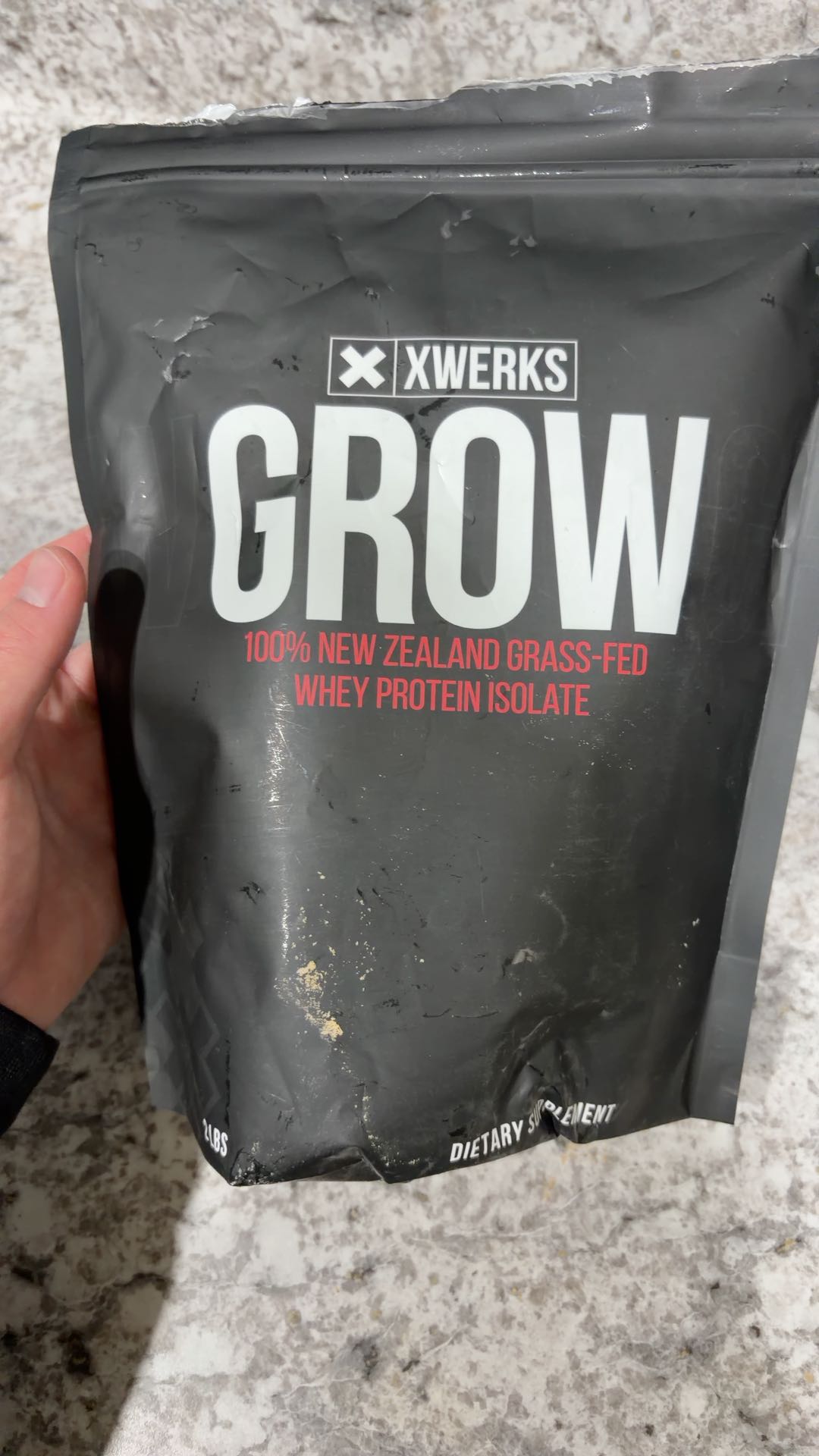
Protein Powder Drink Mix
Summary
This protein powder contains high-quality whey protein isolate, which is beneficial for muscle repair and growth. However, the presence of artificial sweeteners like sucralose and artificial flavors detracts from its overall healthiness. Additionally, the use of soy lecithin and natural flavors, while common, adds to the processing level and reduces transparency in the ingredient list.
At a glance
Key ingredients 13
Whey Protein IsolateVery Good
Whey protein isolate is a high-quality protein source with a complete amino acid profile, making it excellent for muscle repair and growth. It is derived from milk and undergoes processing to remove most fats and lactose, enhancing its protein content. Compared to other protein sources, it is rapidly absorbed and highly bioavailable.
Benefits
Rich in essential amino acids, it supports muscle recovery and growth.
Calcium PhosphateGood
Calcium phosphate is a mineral that supports bone health and is used to fortify foods with calcium. It is a common additive in supplements to ensure adequate calcium intake. Its bioavailability is generally good, making it an effective source of calcium.
Risks
Excessive intake may lead to hypercalcemia, which can cause kidney stones and other health issues.
Benefits
Supports bone health and helps maintain strong teeth.
Magnesium OxideGood
Magnesium oxide is a mineral supplement used to prevent and treat low amounts of magnesium in the blood. It is less bioavailable than other forms of magnesium but is effective in larger doses. It plays a crucial role in muscle and nerve function, as well as energy production.
Risks
High doses can cause gastrointestinal issues such as diarrhea.
Benefits
Supports muscle and nerve function and aids in energy production.
Ascorbic AcidGood
Ascorbic acid, also known as vitamin C, is an essential nutrient that acts as an antioxidant and supports immune function. It is commonly added to supplements to enhance nutritional value. It also aids in the absorption of iron from plant-based foods.
Risks
High doses can lead to gastrointestinal discomfort and kidney stones.
Benefits
Boosts immune function and acts as a powerful antioxidant.
NiacinamideGood
Niacinamide is a form of vitamin B3 that supports skin health and energy metabolism. It is often included in supplements for its role in converting food into energy. It is well-tolerated and does not cause the flushing associated with niacin.
Risks
High doses may cause liver damage and gastrointestinal issues.
Benefits
Supports energy metabolism and promotes healthy skin.
d-alpha Tocopheryl AcetateGood
d-alpha Tocopheryl acetate is a form of vitamin E, an antioxidant that protects cells from oxidative damage. It is commonly used in supplements to ensure adequate vitamin E intake. It supports immune function and skin health.
Risks
Excessive intake can interfere with blood clotting and increase the risk of hemorrhage.
Benefits
Acts as an antioxidant and supports immune function.
Zinc OxideGood
Zinc oxide is a mineral used to prevent or treat zinc deficiency, supporting immune function and wound healing. It is a common ingredient in supplements due to its essential role in numerous enzymatic reactions. Its bioavailability is lower compared to other zinc compounds.
Risks
High doses can cause nausea, vomiting, and interfere with copper absorption.
Benefits
Supports immune function and aids in wound healing.
BiotinGood
Biotin, also known as vitamin B7, is essential for carbohydrate, fat, and protein metabolism. It is often included in supplements for its role in maintaining healthy hair, skin, and nails. It is water-soluble and generally safe at recommended doses.
Benefits
Supports metabolism and promotes healthy hair, skin, and nails.
Soy LecithinBad
Soy lecithin is an emulsifier derived from soybeans, used to improve texture and mixability in products. It is a processed ingredient and may contain traces of soy allergens. While not as harmful as seed oils, it is still considered a processed additive.
Risks
May cause allergic reactions in individuals sensitive to soy.
Benefits
Improves texture and mixability of products.
Natural FlavorBad
Natural flavor is a catch-all term for flavoring agents derived from natural sources, but its exact composition is often undisclosed. It can contain a variety of compounds, some of which may not be beneficial. The lack of transparency makes it difficult to assess its health impact.
Risks
Potential for undisclosed allergens or additives.
Benefits
Enhances the taste of products.
Artificial FlavorBad
Artificial flavor is a synthetic additive used to mimic natural flavors, often used to enhance taste in processed foods. It is a highly processed ingredient with no nutritional value. Concerns exist about potential long-term health effects of consuming synthetic additives.
Risks
May contain synthetic chemicals with unknown long-term health effects.
SucraloseBad
Sucralose is an artificial sweetener used as a sugar substitute, providing sweetness without calories. It is a synthetic compound that may alter gut microbiota and has been linked to potential metabolic effects. While approved for use, its long-term health impacts are still debated.
Risks
May alter gut microbiota and affect glucose metabolism.
Benefits
Provides sweetness without adding calories.
Xanthan GumNeutral
Xanthan gum is a polysaccharide used as a thickening and stabilizing agent in foods. It is produced through fermentation and is generally recognized as safe. It has no significant nutritional value but improves texture and consistency in products.
Risks
Excessive consumption may cause digestive discomfort.
Benefits
Improves texture and stability of products.
Processing
Ultra-Processed Foods
Get the full breakdown in the Scout app
Scan any product to see lab results, healthy alternatives, and your personalized analysis.
Download on theApp Store