



At a glance
Summary
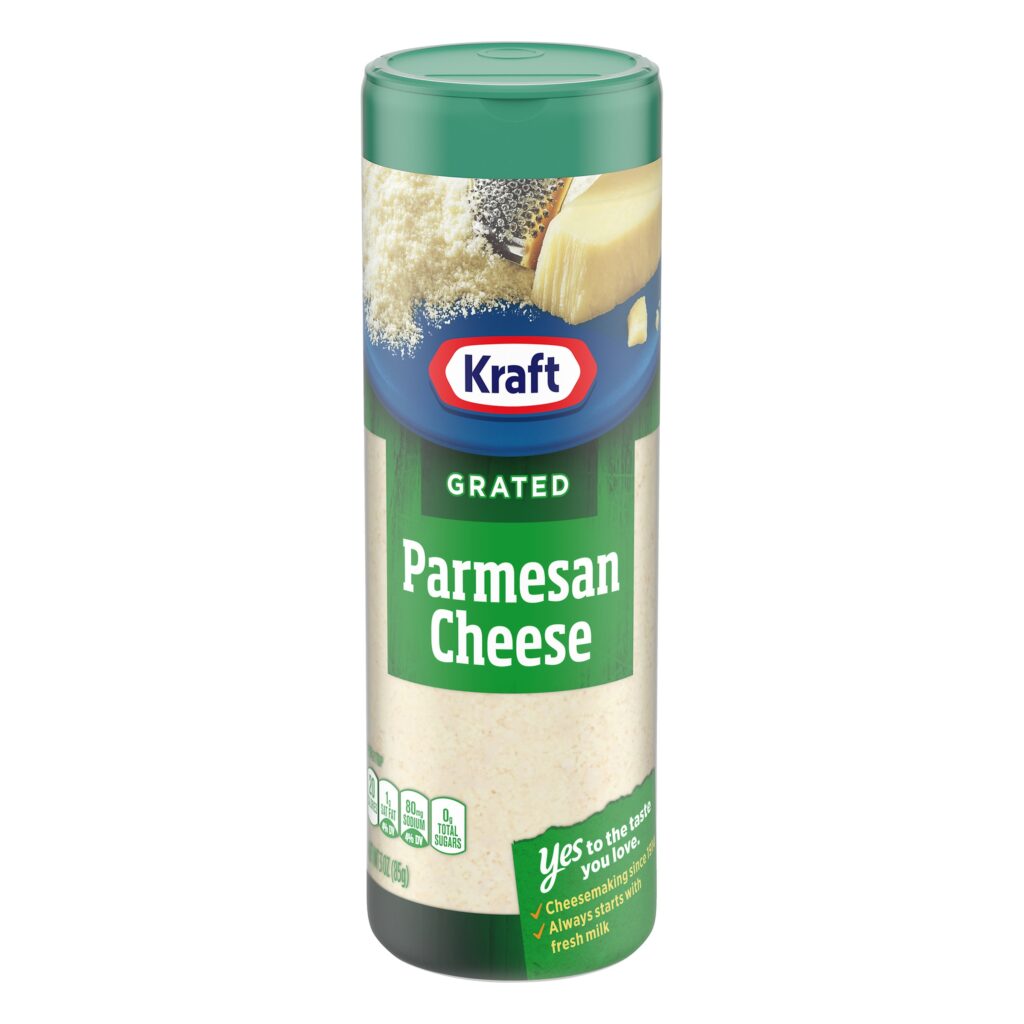
This Parmesan cheese is a processed food with a few additives, including powdered cellulose and potassium sorbate, which are used for anti-caking and preservation. While Parmesan itself is a high-quality source of protein and calcium, the presence of these additives and the processing level limit its score. The product is not as clean as some other cheeses that avoid synthetic preservatives and additives.
Key ingredients 6
Parmesan CheeseGood
Parmesan cheese is a natural dairy product rich in protein and calcium, contributing to bone health and muscle function.
See more about Parmesan Cheese →Cultured Pasteurized Part-Skim MilkGood
This ingredient provides essential nutrients like calcium and protein while being lower in fat due to the skim milk content.
See more about Cultured Pasteurized Part-Skim Milk →SaltNeutral
Standard formulation ingredient — neither beneficial nor harmful at typical use.
See more about Salt →EnzymesNeutral
Enzymes are used to facilitate cheese aging and texture development without adding health concerns.
See more about Enzymes →Powdered CelluloseNeutral
Powdered cellulose acts as an anti-caking agent to prevent clumping, generally considered safe in small amounts.
See more about Powdered Cellulose →Potassium SorbateBad
Synthetic preservative — flagged in daily-use products.
See more about Potassium Sorbate →Processing
Processed Foods
Get the full breakdown in the Scout appTake Scout shopping
Scan any product to see lab results, healthy alternatives, and your personalized analysis.
Download on theApp Store GET IT ONGoogle PlayAmazon pricing & content
Amazon price as of . Product prices and availability are accurate as of the date/time indicated and are subject to change. Any price and availability information displayed on Amazon.com at the time of purchase will apply to the purchase of this product.
CERTAIN CONTENT THAT APPEARS ON THIS SITE COMES FROM AMAZON. THIS CONTENT IS PROVIDED “AS IS” AND IS SUBJECT TO CHANGE OR REMOVAL AT ANY TIME.